The Ancient Civilizations Timeline That Actually Proves Humans Built First
The Timeline That Has Been Wrong For Decades
You've seen the chart. Farming first. Then villages. Then cities. That's the standard ancient civilizations timeline, taught in schools everywhere.
It feels logical. You need food to feed builders, right? But go look at the stones in southeastern Turkey.
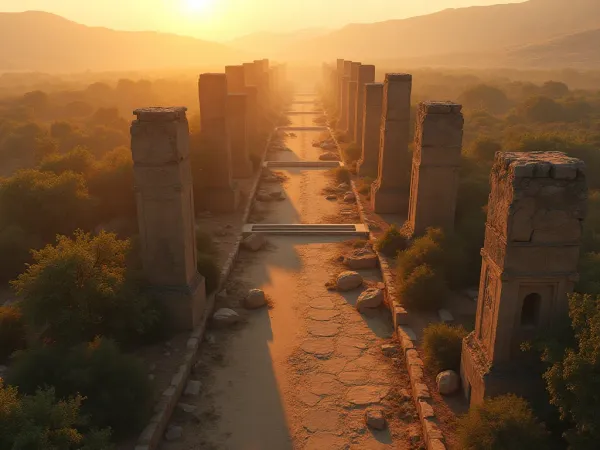
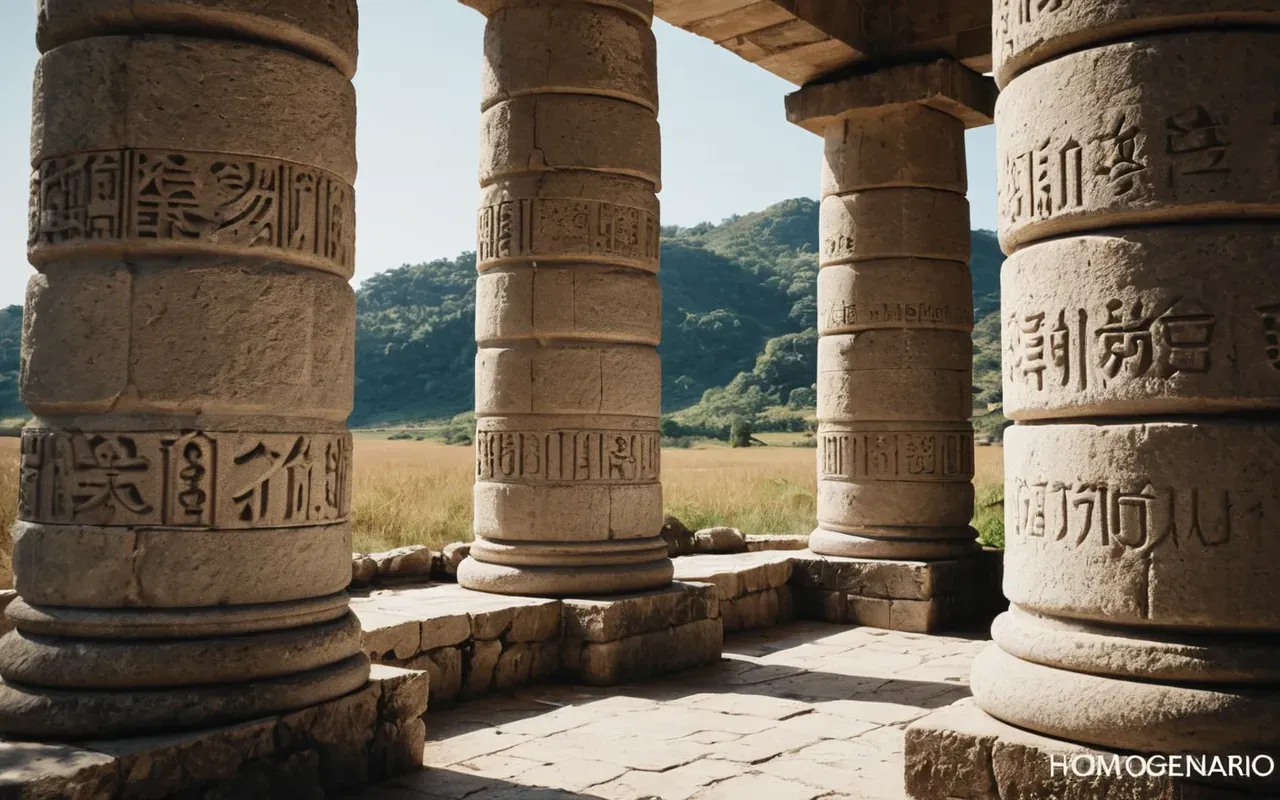
Humans built massive T-shaped pillars before they knew how to grow wheat. No farms. No metal tools. Just stone and willpower.
That breaks the timeline. It flips the script on how we define civilization itself.
What The Stones Actually Tell Us About Early Life
Archaeologists found animal bones scattered around the pillars. Wild boar and gazelle, mostly. Not farm animals.
They hunted these creatures in the surrounding hills. And after a good hunt, the community gathered to eat and talk.
So why build a circle of stones if you're just hunting? Because identity mattered. Being part of the group was survival.
The Social Glue That Held The Group Together
I've read the excavation reports. They mention specific bone processing marks. But also traces of grain grinding.
Wait. Grain? If they didn't farm it, where did it come from? Foraged wild grasses.
They gathered enough to sustain a large gathering. That took planning. And it took trust between strangers.
That's the real secret. Not religion. Social organization came first. The stones were a meeting place for decision making.
Why The Standard Order Of Events Fails Here
Most timelines assume a linear progression. Hunter gatherer to farmer to city builder.
Göbeklitepe sits at the start of that list. But it has no farms.
So we're left with a gap. You can't explain the motivation without assuming they had resources that didn't exist yet.
Unless... the building itself created the need for resources. The labor required forced them to become more efficient.
They had to feed hundreds of workers. Foraging wasn't enough for a long build season.
The Pressure To Improve Food Sources
I believe this is where farming started. Not as a choice. As a necessity for the construction project.
You build a monument. You realize you need more food. You plant seeds near the site for convenience.
The monument caused the farm. Not the other way around.

How Other Ancient Sites Fit Into This New Order
Look at Karahantepe. It's nearby and potentially older. Similar T-shaped pillars.
If both sites predate widespread farming, the pattern holds. Building came before agriculture in this region.
Which challenges the timeline for Mesopotamia and Egypt. We assume they followed a standard path.
But what if their earliest structures were also built by non-farming groups? The timeline needs a wider view.
The Real Reason We Got The Order Backwards
We see farms today. So we assume they always existed before cities.
But early humans weren't static. They moved. They experimented.
They may have tried building first, to test social cohesion before committing to a sedentary lifestyle.
The stones were an experiment in living together. It worked so well they stayed.
What This Means For How We See Human History Now
We're not just farmers. We're builders first.
Our capacity for complex cooperation predates our ability to feed ourselves efficiently.
That's a humbling realization. We're social creatures who learned to grow food later.
The ancient civilizations timeline has to start with the stones. Not the seeds.

Frequently Asked Questions About The Correct Sequence
When exactly was Göbeklitepe built relative to farming?
Göbeklitepe was constructed approximately , years ago. Widespread farming in the region began about , to , years after construction started.
Why do most schools teach the farming first timeline?
Early archaeology assumed a linear progression from simple to complex. This model was easier to teach than the fragmented reality of early human innovation.
Can we prove that building caused the need for farming?
Direct causality is hard to prove. However, the presence of grain processing tools before widespread fields suggests a local response to labor demands.
Does this change the definition of a civilization?
Yes. Civilization now includes complex social organization and architectural ambition as primary markers, not just economic surplus or agriculture.