The Ancient Civilization That Broke Every Rule Of History And Made The Rest Look Like Beginners
The List You Watched Is Missing The Most Important Name On It
I watched the video. Twenty-five empires. Gone. Poof. You know the ones I mean. The Sumerians who wrote it down first. The Olmecs who carved jade into shapes that still make me pause.
It's a satisfying narrative. Rise and fall. Glory and dust. But there was one name missing from that entire roster of vanished giants.
Not because they were less impressive. Because including them would break the logic of the whole list.
Why The Timeline Is Broken At The Start
Here's the thing. Every civilization on that list had a farm. All of them. Even the ones we think of as wild or primitive.
The Indus Valley had wheat. The Minoans had barley. Cahokia grew maize in fields that stretched for miles.
Farming comes first. That's the rule we were taught in school. You need surplus food to support specialized workers.
Then you build monuments. Then you write laws. That's the order of operations we were sold.
But if you look at the missing link in the ancient civilizations timeline, that order flips completely.
The Builders Who Had No Farm To Back Them Up
Twelve thousand years ago. That's the number that stops you cold.
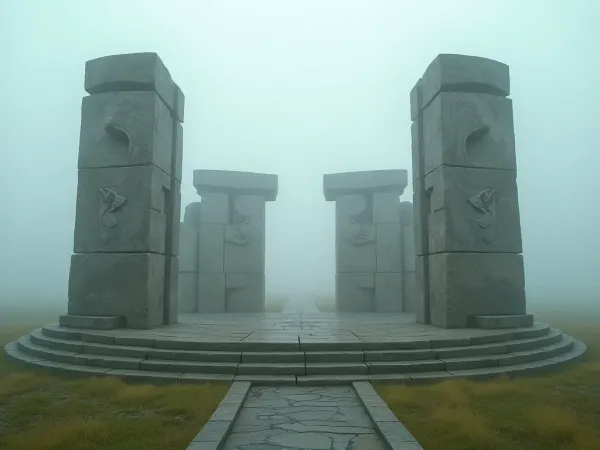
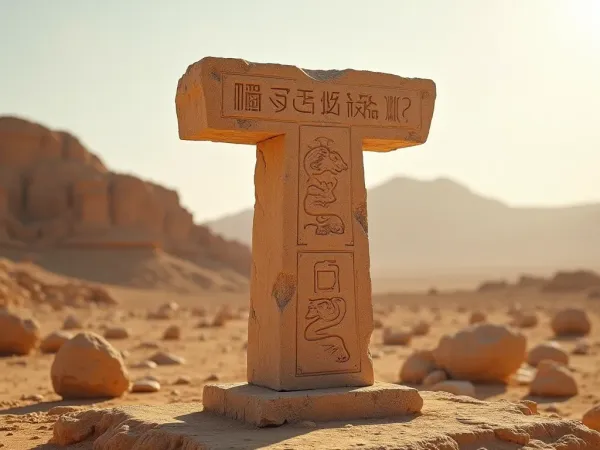
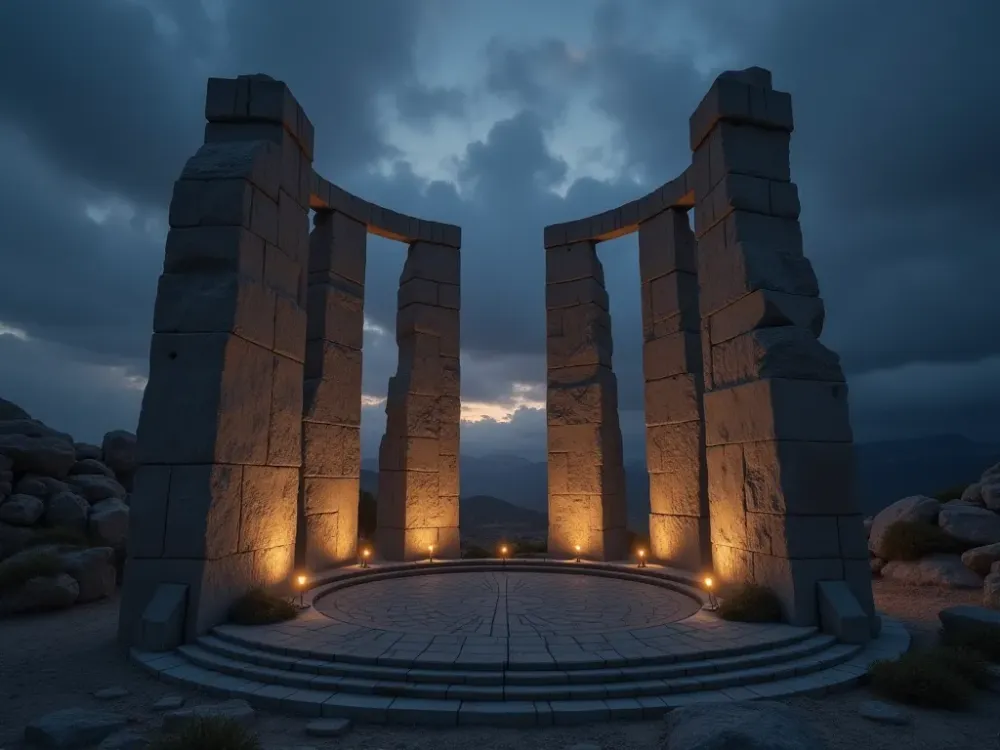
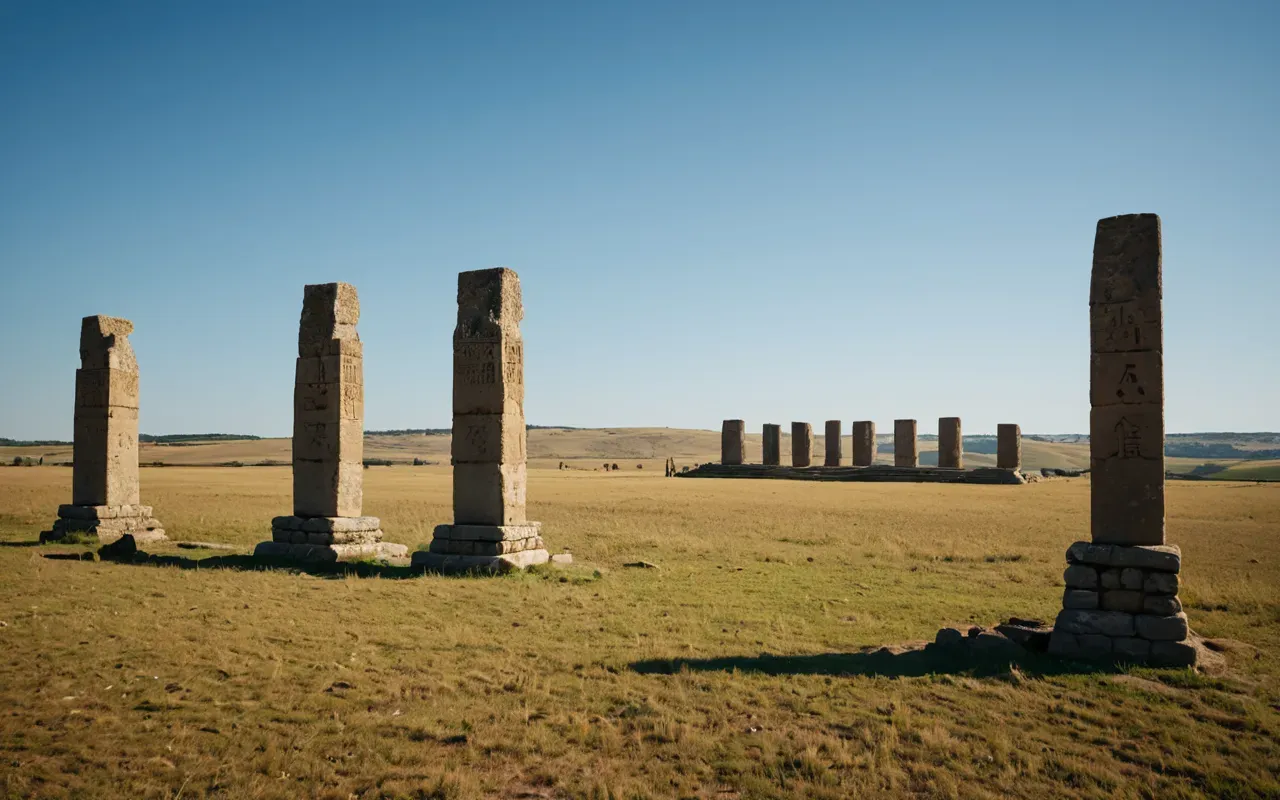
While Sumer was still a distant dream and the first pyramids were just myths in someone's head, people were already moving tons of T-shaped pillars.
We're talking about stones that weigh between ten and twenty tons. More than a modern elephant.
And they did it without wheels. Without metal tools. Without draft animals strong enough to pull the weight.
The Social Engine Behind The Stones
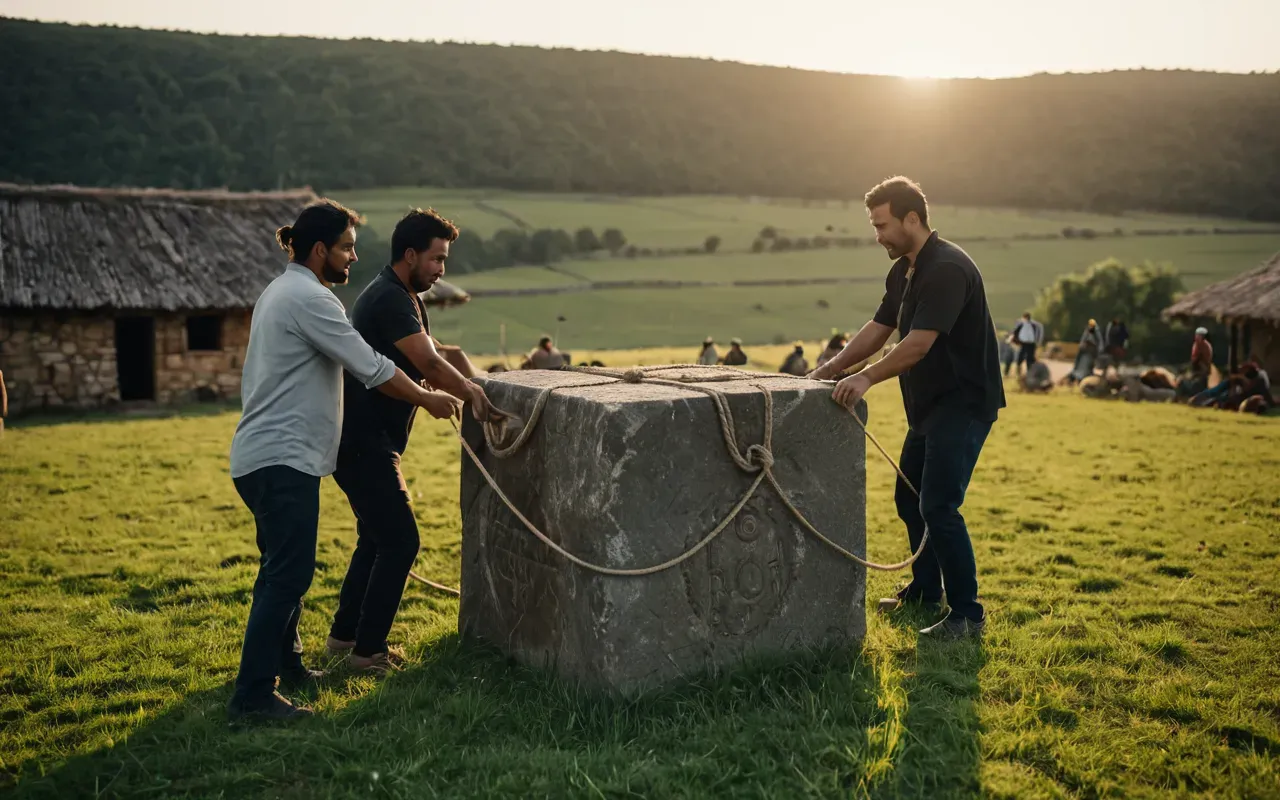
So how do you move a twenty-ton rock with no trucks and no horses?
You need people. Lots of them. And you need a reason for them to show up.
This is where the story gets interesting. The motivation wasn't economic surplus. It was belief.
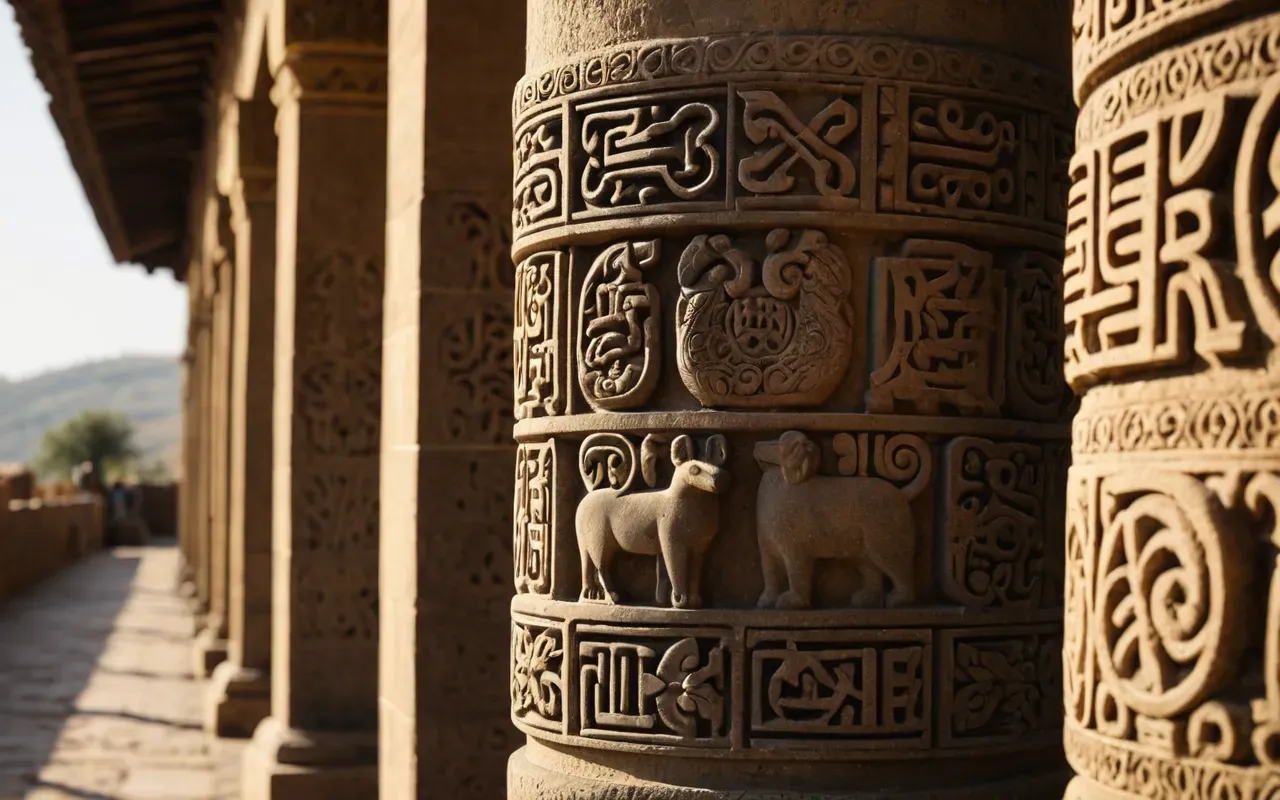
The pillars at this site are carved with animals. Birds. Lions. Foxes. They look like hands.
Some researchers think these are totems of different clans. Others see ancestors.
Either way, the gathering was a religious event. People came to meet. To trade ideas. To worship.
Why This Changes How We Define Civilization Itself
We have a word for it. Civilization. And we think that means cities and agriculture.
But the people who built these circles were hunter-gatherers. They followed wild game.
For most of its history, they had no permanent houses at the site itself.
The Reverse Causality Problem
Here's the paradox that keeps archaeologists up at night.
We used to say farming led to religion. You eat well, you have time to think about gods.
But if humans built temples before they invented farming, then religion came first.
The belief system created the labor force. The labor force needed food.
So they started farming to feed the builders. Farming was a side effect of religion.
That's not a tweak. That's an inversion of the entire historical model.
The Comparison With Other Lost Empires Falls Apart
Let's look at the others on that list. The Indus Valley. Minoans.
They had trade networks. Writing systems or proto-writing.
Their collapse was often due to environmental stress. Floods. Drought.
But they were complex societies from day one. They had the infrastructure to sustain them.
The Simplicity That Defies Logic
Now look at the builders of the T-shaped pillars.
No writing. No metal. No cities in the traditional sense.
And yet they built structures that stood for two thousand years before being deliberately buried.
They didn't collapse. They closed it down. That's a different story entirely.
The intentionality of that burial suggests a shift in belief so total they erased their own history.
What The Video Missed About Human Agency
The tone of those lists is always tragic. Mysteriously disappeared.
It implies they were victims of circumstances. Overwhelmed by nature or war.
But the builders were agents. They chose to build something massive before they had the technology to support it easily.
The Power Of Collective Belief
This is the implication nobody talks about in those videos.
Belief can create infrastructure. Shared mythology is a construction tool.
When you organize thousands of people around a spiritual goal, the physical output is staggering.
They didn't need an army. They needed a purpose. And they had one that moved mountains.
Why This Site Is The Real Star Of Ancient History
It's not the oldest city. Not the biggest empire.
But it's the proof that human complexity doesn't follow a straight line.
We can be simple in our tools and incredibly complex in our society. We can build before we have to.
That's the secret hiding in plain sight. We were always capable of this.
We just forgot for a while that we did it first. If you want to see more on this topic, check out the secret hiding in plain sight at Gobeklitepe that broke every rule we knew about history.
The story isn't about what disappeared. It's about what was possible from the very beginning.
And that changes everything you thought you knew about where we came from.