The Engineering Gap in Gobeklitepe History That Nobody Talks About
The Engineering Gap in Gobeklitepe History That Nobody Talks About
Watch a Stone Age documentary and you'll come away thinking early humans barely survived. Mud huts. Sharp sticks. That picture is dead wrong for this site.
Göbeklitepe is something else entirely. We're talking about a project that demanded serious logistical planning — before agriculture even existed.
I've spent years digging into how these structures stayed standing for millennia. The answer isn't magic, and it isn't aliens. It's plain, practical engineering, the kind we tend to skip right past.
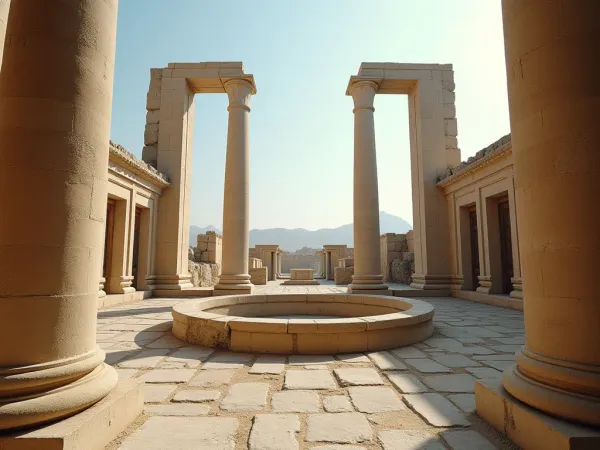
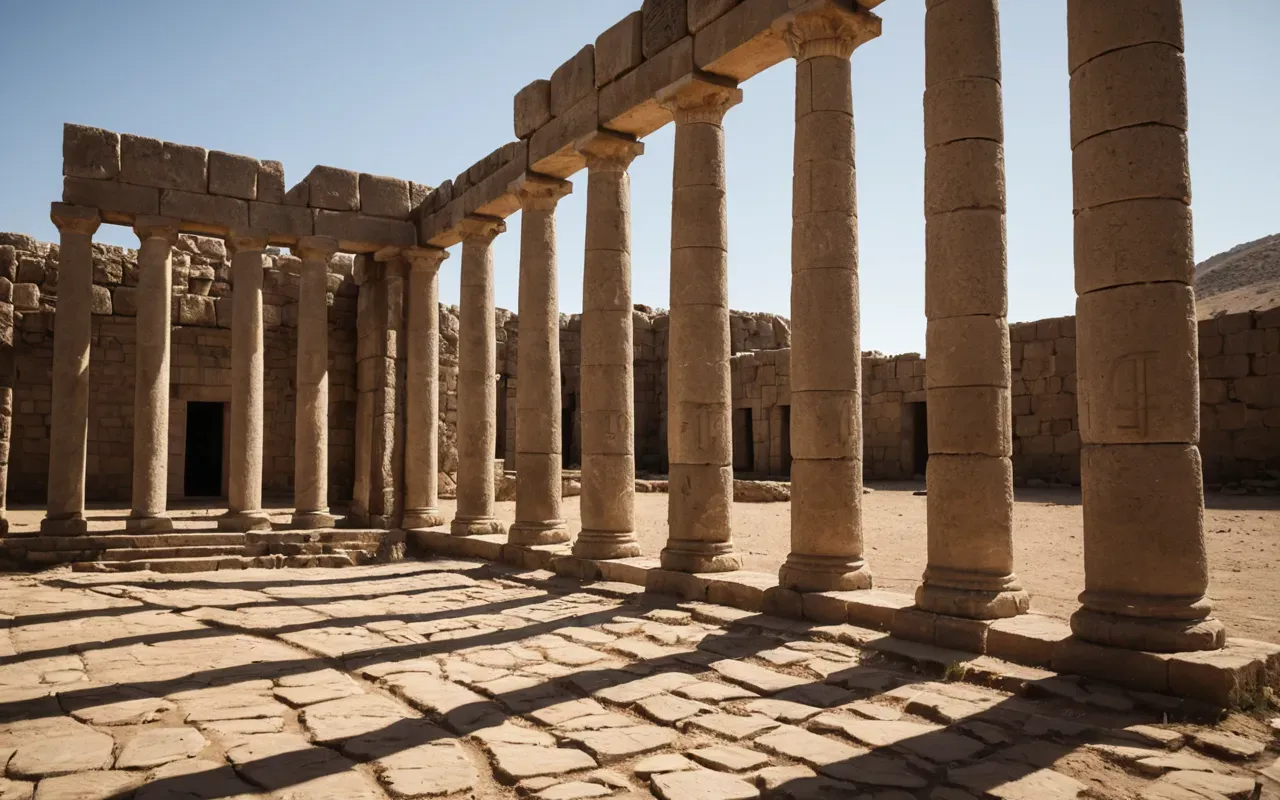
Look at the T-shaped pillars as static objects and they seem simple enough. See them as part of a working system, though, and everything shifts.
Why Standard History Books Get It Wrong
The standard story goes in one direction. Invent farming. Settle into villages. Then, only then, build monuments.
Göbeklitepe flips that order. Monumental architecture came first. Food production came after.
That inversion is the thing to hold onto. It hints that social organization pulled technological development along — not the reverse.
Honestly, it's counterintuitive. We're wired for linear cause and effect. Here, the cause is communal identity.
The Physics of Those Massive Pillars
Now, the weight. These aren't small stones. Some of the T-shaped pillars run up to ten tons.
Move a ten-ton block without wheels or cranes and you're near the edge of impossible. You need leverage. You need coordination down to the second.
Wooden beams as levers, most likely. And dozens of workers to shift the load even an inch.
That's labor management rivaling early industrial projects. Brute force alone wouldn't cut it.

How They Cut Stone Without Metal Tools
Here's where it gets good. The builders shaped softer limestone using harder stone.
Slow work. Brutally slow. Every chip had to be controlled by hand.
I've seen the wear patterns on those ancient tools. Hours of repetitive motion, written right into the surface.
It was a game of patience. One bad strike could crack the whole pillar and waste months.
The Specific Tools Left Behind
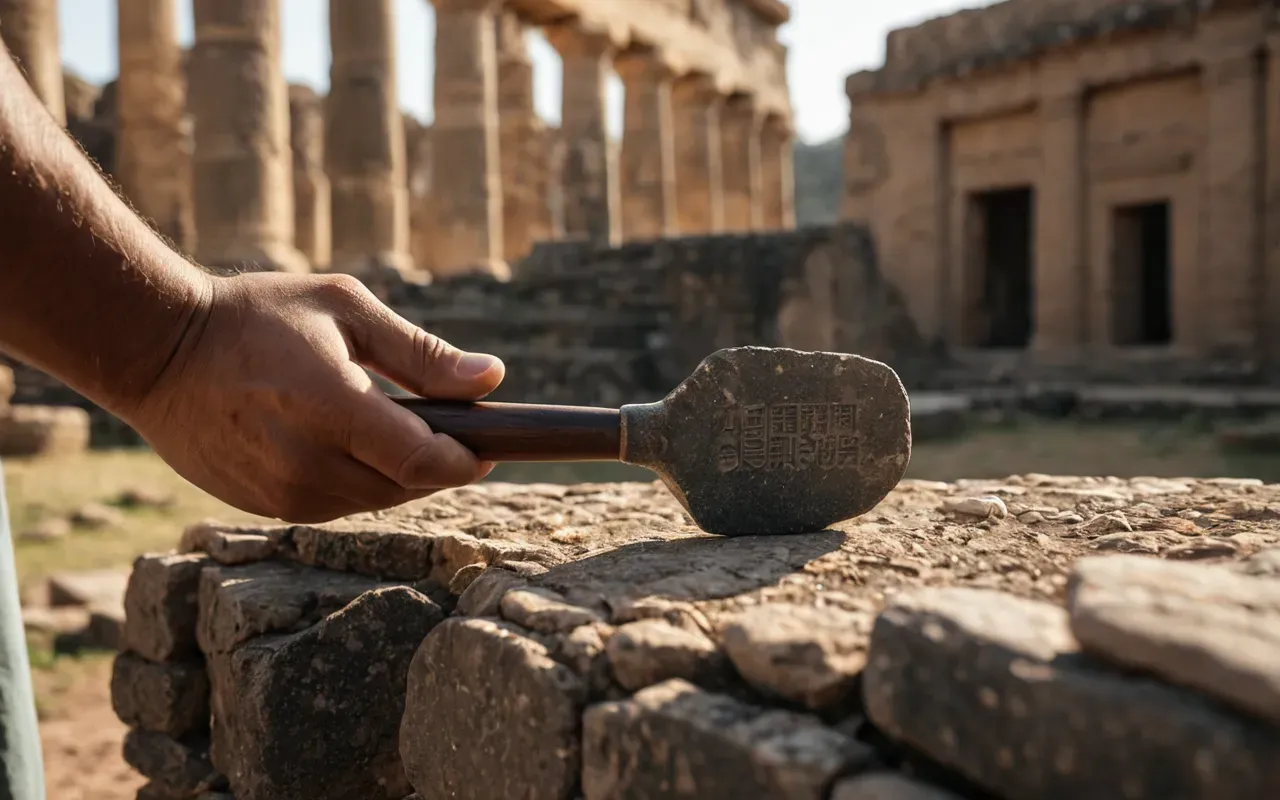
Archaeologists turned up specific flint hammers and grinding stones at the site. Those were the primary instruments of creation.
Not debris. A specialized toolkit for heavy-duty stonework.
If you want more examples of this prehistoric engineering logic, check out The Stone Tools That Prove We Built Before Farming. It covers similar findings in other regions.
The Logistics of Feeding a Construction Crew
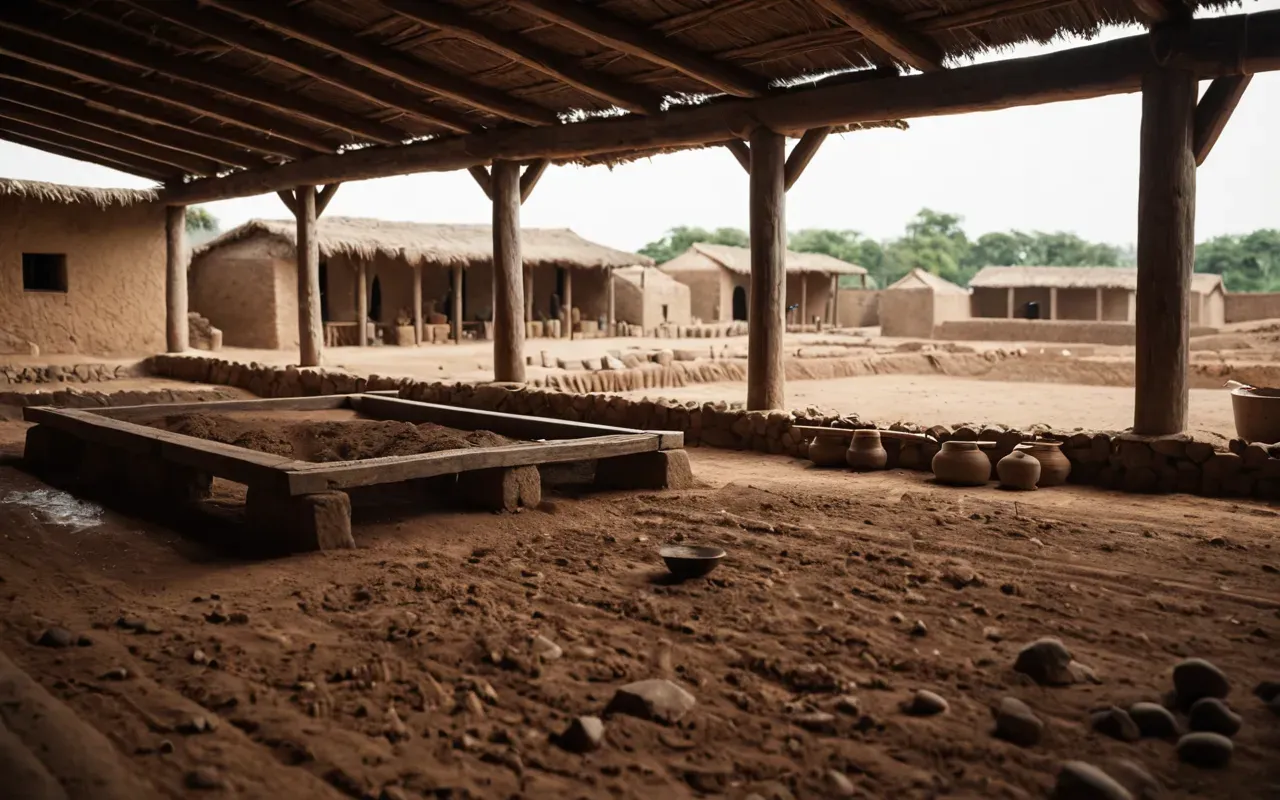
You can't build ten tons of stone if you're hungry. That workforce needed a steady supply of calories.
Before farming was reliable, they hunted wild game. Which took deep knowledge of the local ecosystem.
And that's why the site was eventually buried. Not destruction — a deliberate closure of a project.
What The Pillars Tell Us About Human Beliefs
The T-shape isn't random. It echoes the human form, minus the facial features.
Which points to a symbolic representation of people or ancestors. Architecture as identity.
My read: these structures served a social bonding function. Meeting points for groups.
The engineering was the means to create that social cohesion. The stones held the community together.
Why This Changes How We View Our Past
We like to picture prehistoric humans as simple. Göbeklitepe says otherwise. They were sophisticated planners.
They had the cognitive capacity for long-term projects. That's a huge leap in understanding.
If you're interested in how other ancient sites used similar logic, look at The Hidden Engineering That Broke The Timeline. It explores parallel developments.
Frequently Asked Questions
What is the main engineering challenge at Göbeklitepe?
The primary challenge was moving and placing multi-ton stone pillars without modern machinery. This required precise leverage techniques and a coordinated workforce to manage the immense weight safely.
Why were the pillars built before farming existed?
The structures predate reliable agriculture. This suggests that social and religious motivations drove the construction first, with food production developing later to support such large-scale projects.
How did they cut the stone without metal?
Builders used harder stones like flint to chip away at the softer limestone. This was a slow process requiring immense patience and skill to avoid cracking the main structure.