The real reason Göbeklitepe was buried finally breaks the temple myth
The temple story is cracking under new weight
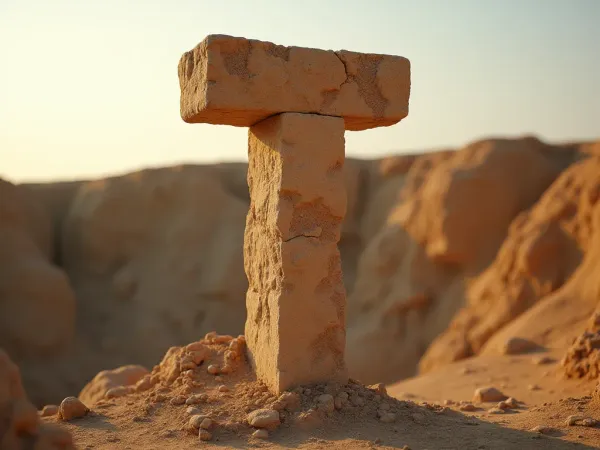
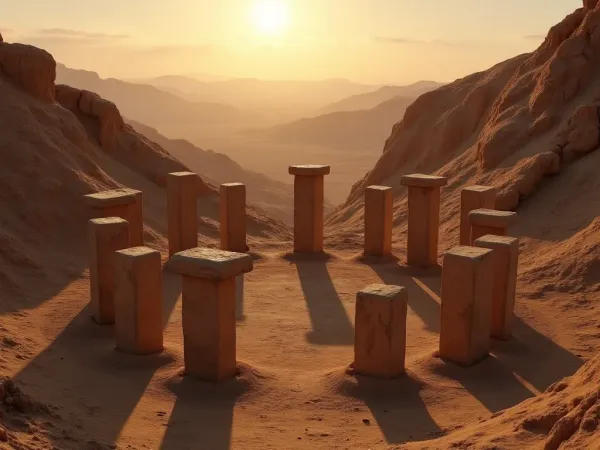
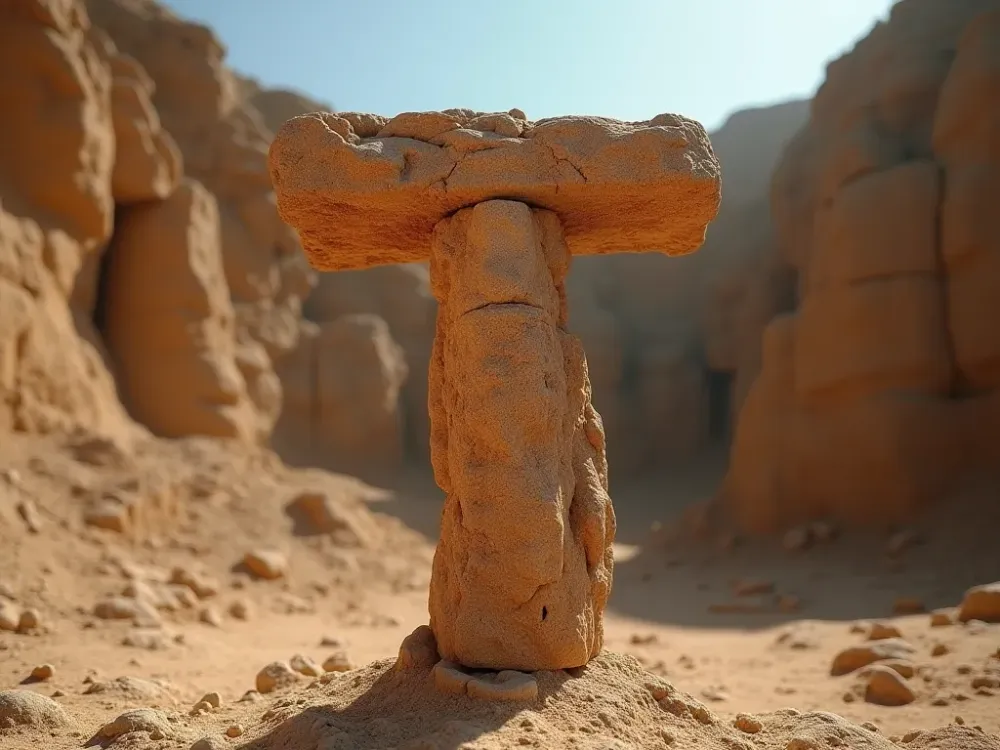
Picture this: you're standing inside a stone circle. T-shaped pillars, carved from local limestone, rise up around you. For twenty years, we've told ourselves these were sacred shrines. Pure and simple.
That story fueled a tourism boom worth millions. It shaped how we teach history, how we talk about the Neolithic. But the ground is literally shifting beneath that narrative.
New surveys have turned up houses. Actual homes. Not just ceremonial rings in the dirt. The "purely religious" theory? It's falling apart.
What the new ground scans actually show
In late 2025, teams ran lidar and ground-penetrating radar over zones we assumed were empty. The results took everyone by surprise.
Dwellings. Dozens of them. Turns out these monuments weren't isolated relics in some barren landscape.
That flips the whole story. If people were living here, the circles weren't just temples. They were part of a functioning town.
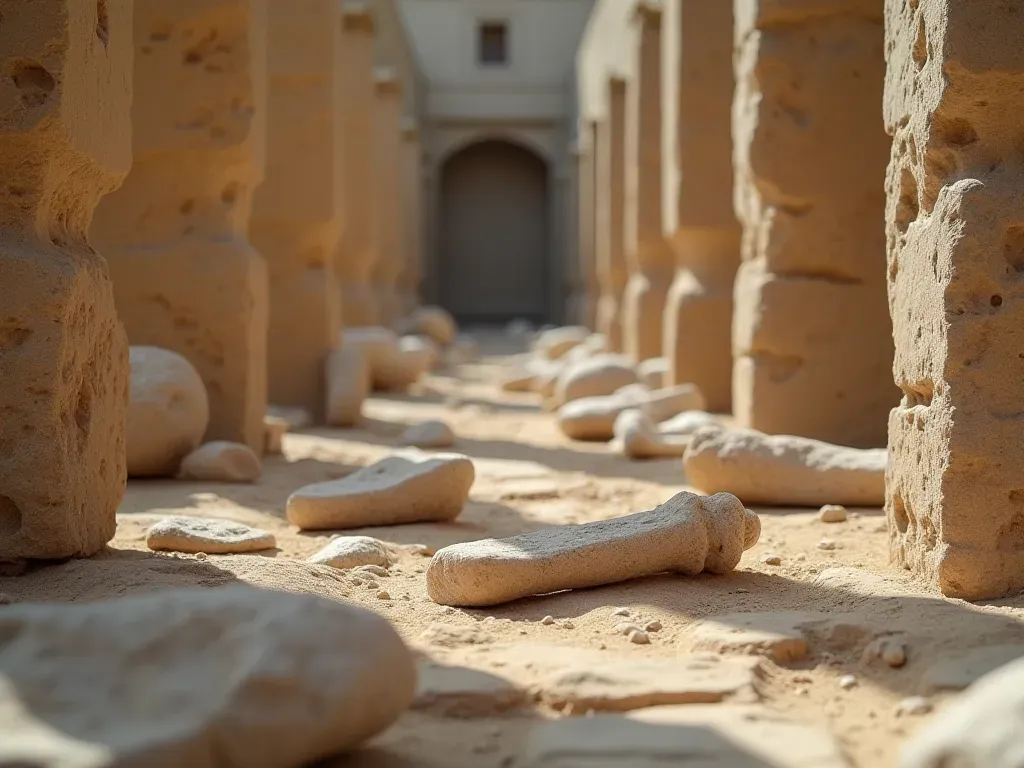
The missing domestic context explained
For decades, excavators poured all their energy into the big circles. The assumption was simple: nobody lived nearby.
But sites like Karahantepe told a different tale. There, the monumental structures sat right inside villages. Not apart from them.
Now we're starting to see the pattern clearly. These were community hubs. Religious space, sure, but also social, economic, domestic space.
Why the burial theory no longer holds up
The old argument was neat and tidy. They buried the temples because they were holy ground, and covering them was an act of reverence.
Except we now know they buried houses too. Ordinary dwellings, the kind you'd never consecrate.
So maybe the reason was practical. Maybe they were resetting the social order, wiping the slate clean.
A practice seen across many sites
At Aşık Höyük and Çatalhöyük, we see the same filling techniques applied to everyday buildings.
It was a way to close out a structure's life cycle. Not necessarily a religious ceremony.
This practice stretches across centuries and building types. It looks less like ritual and more like a social tool.
The labor question and the cooperation myth
Now, the other big question: how did they move those massive stones? The old answer pointed to fear, or religion, or some priest-king with a whip.
But look at the evidence on the ground. Grinding stones. Food remains. Traces of daily life.
That suggests a different motive entirely. They were cooperating to survive.
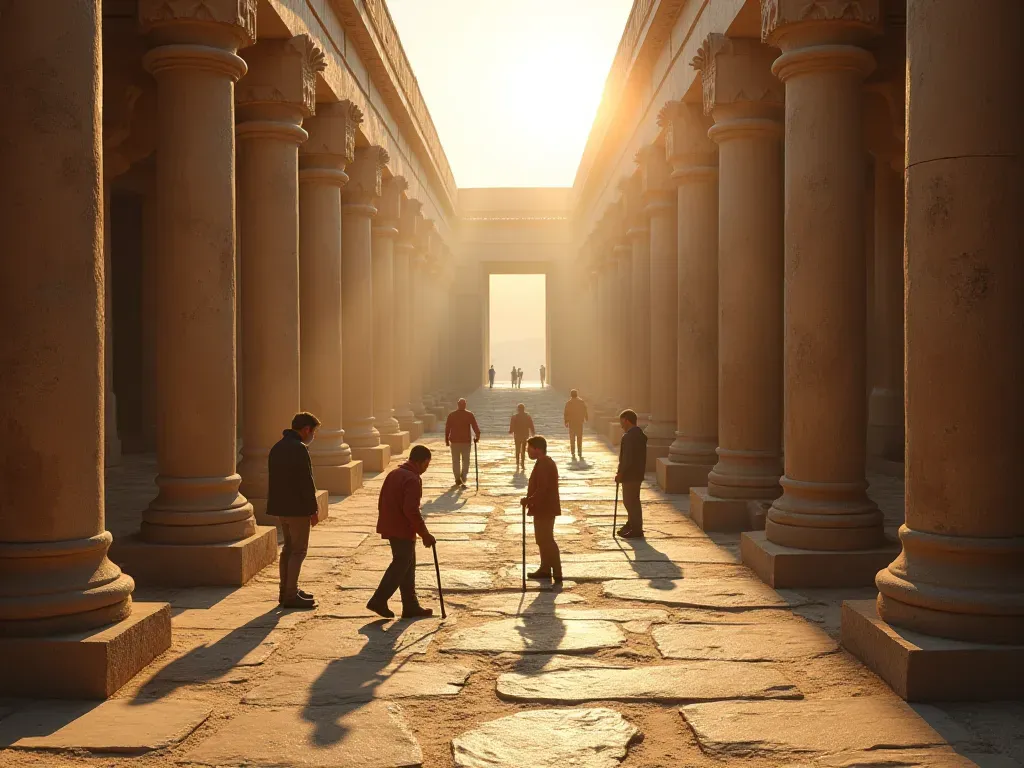
Cooperation as a social capacity
We still see this in rural communities today. In Turkish, it's called imece — collective labor, neighbors helping neighbors.
And it's nothing new. Paleolithic hunters coordinated in enormous teams to bring down big game.
The huge structures were just an extension of that ancient skill. No priests required.
How the narrative shifted in popular media
Back in 1998, reports described these sites as storage facilities. That interpretation was grounded in hard evidence.
By 2006, the narrative had shifted. Suddenly it was a temple, connected to biblical stories. Much more dramatic.
That rebranding sold books and documentaries like crazy. It was a marketable story, even if the evidence was thin.
What this means for our understanding of history
If Göbeklitepe was actually a community hub, our timeline changes.
Religion didn't spark civilization. Cooperation and shared social memory did.
It's time we stopped projecting modern hierarchies onto ancient people. They were far more sophisticated than we give them credit for.