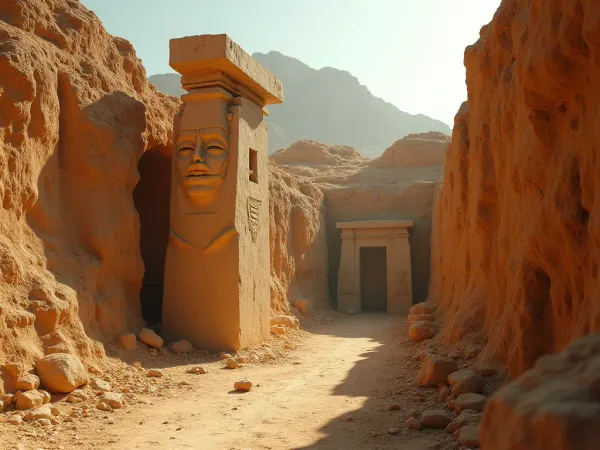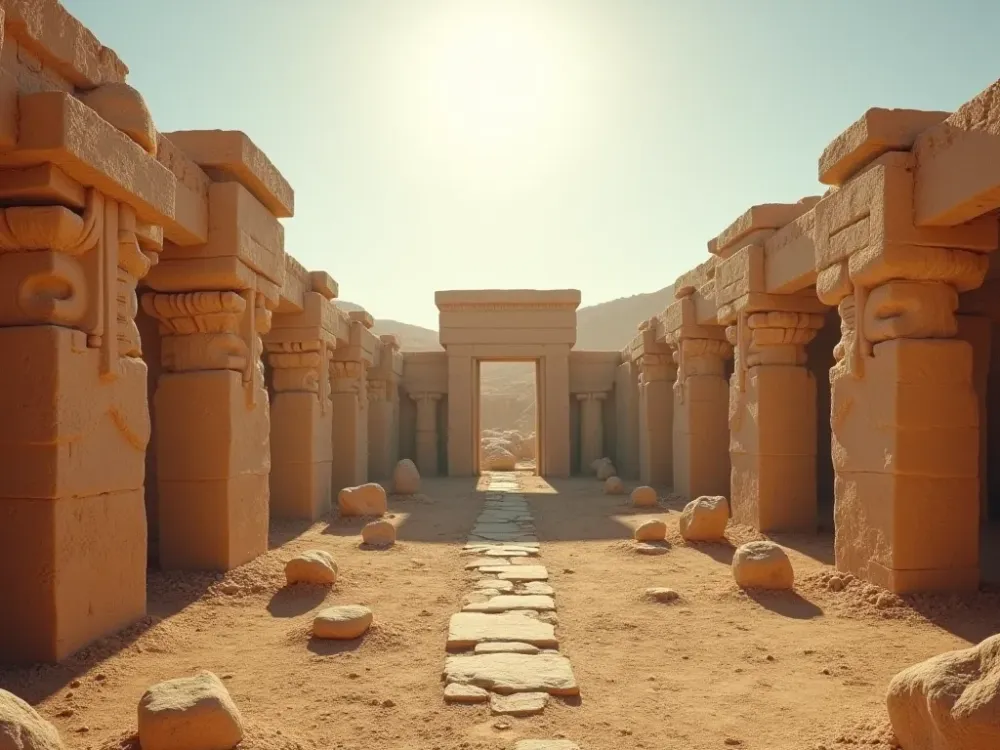
The secret buried under Göbeklitepe changes everything you know about human history
A Global Star Walks Into A Time Capsule
Richard Quest is a name you know. He has stood in the middle of financial crashes and political storms for decades.
But recently he walked into a place that makes Wall Street look like a toddler playing with blocks.
The location is Göbeklitepe. It sits on a low hill in the southeastern corner of modern-day Turkey.
Quest stood among massive stone pillars. They are twelve thousand years old.
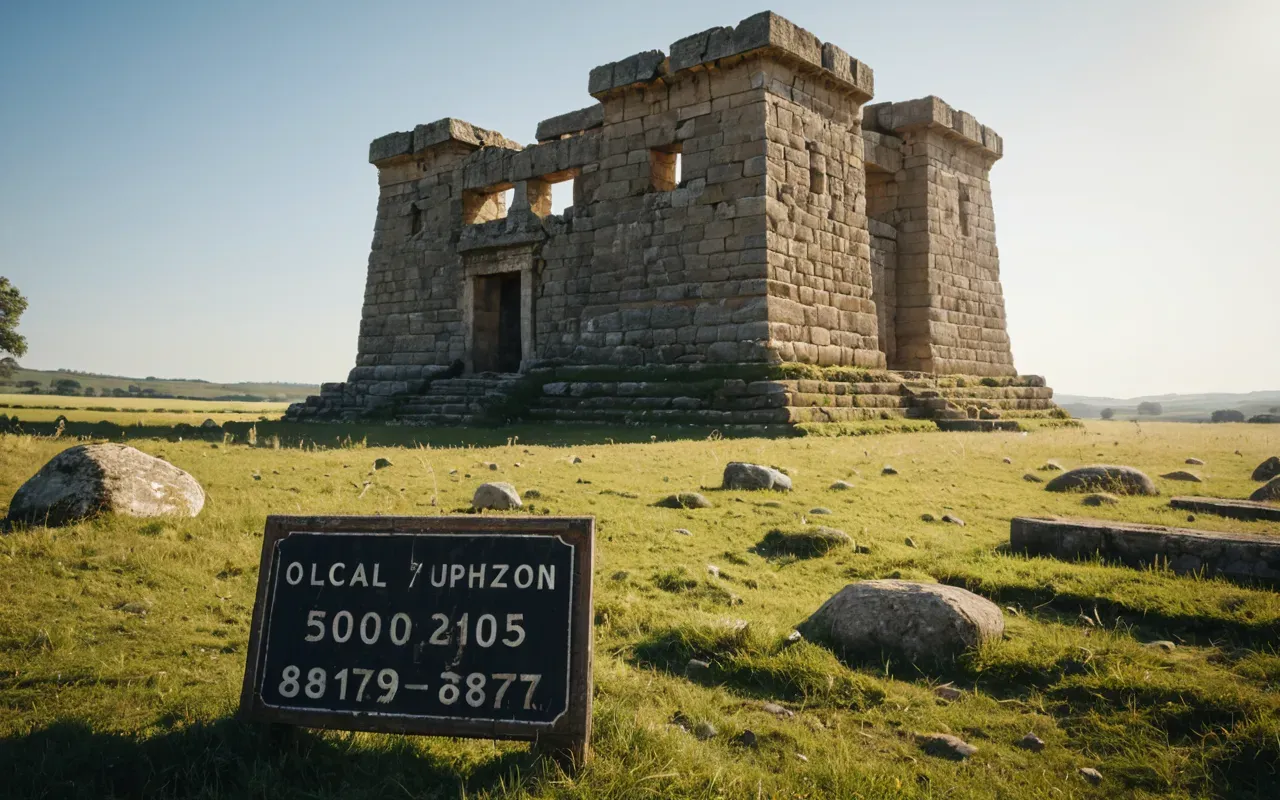
Think about that number. Twelve thousand years ago there were no cities in Europe.
There was no writing. There were no wheels. Yet humans here built a complex circular monument.
It defies the standard narrative that we slowly evolved into builders over tens of thousands of years.
Why The Standard Story Feels Incomplete
We are taught a linear story. Hunter-gatherers first. Then farming.
Then towns. Then cities. Then empires. It is a clean logical ladder.
Göbeklitepe breaks that ladder. The site predates the invention of agriculture in this region by millennia.
This suggests people gathered to build first and then learned to farm later.
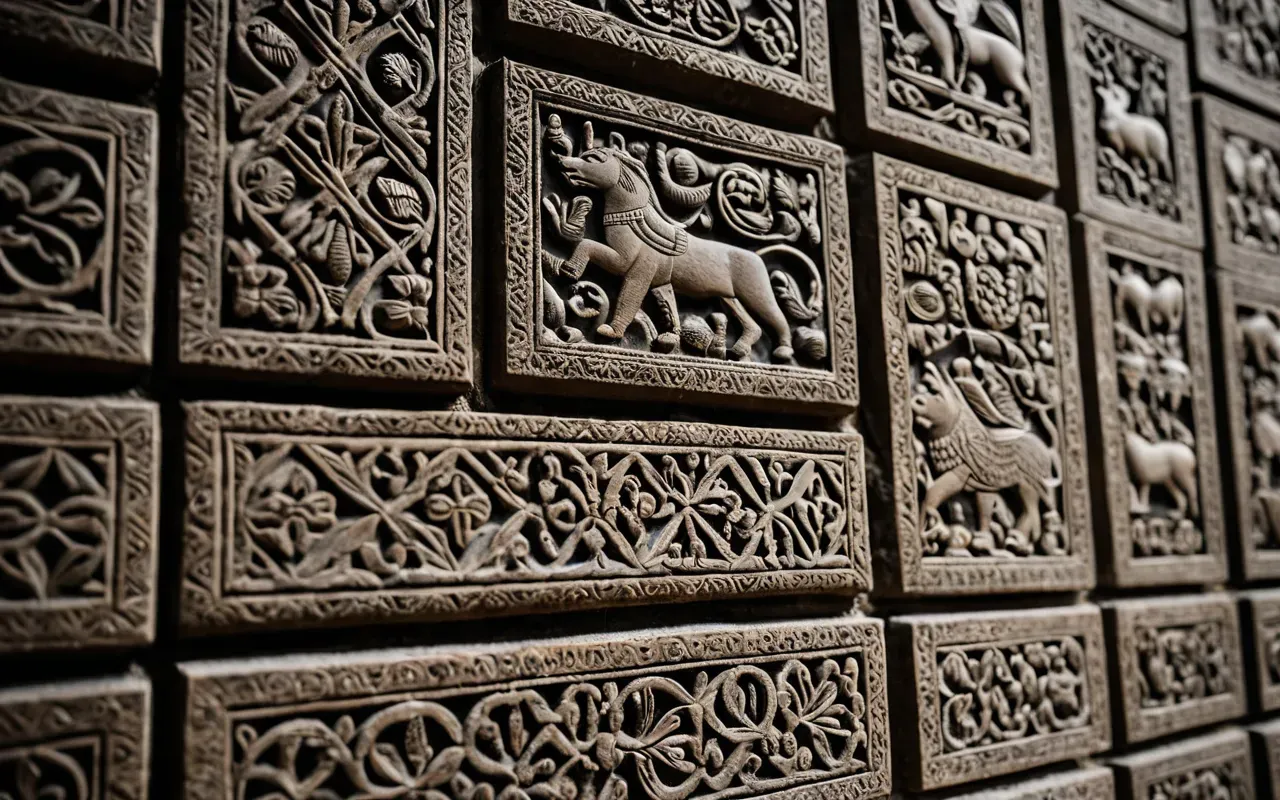
I find this counterintuitive. We assume tools and food security come before complex social structures.
But here the sequence is flipped. The monument required a coordinated workforce and shared belief.
That implies a level of social organization we did not expect to see so early.
The T-Shaped Pillars Hold A Deeper Meaning
You see these distinctive T-shaped stones arranged in a circle.
Most people assume they are just decorative supports. But their placement is precise.
Some researchers argue these structures tracked celestial events or served as communal gathering points.
If you are curious about how these pillars might have functioned as instruments, the debate is still active.
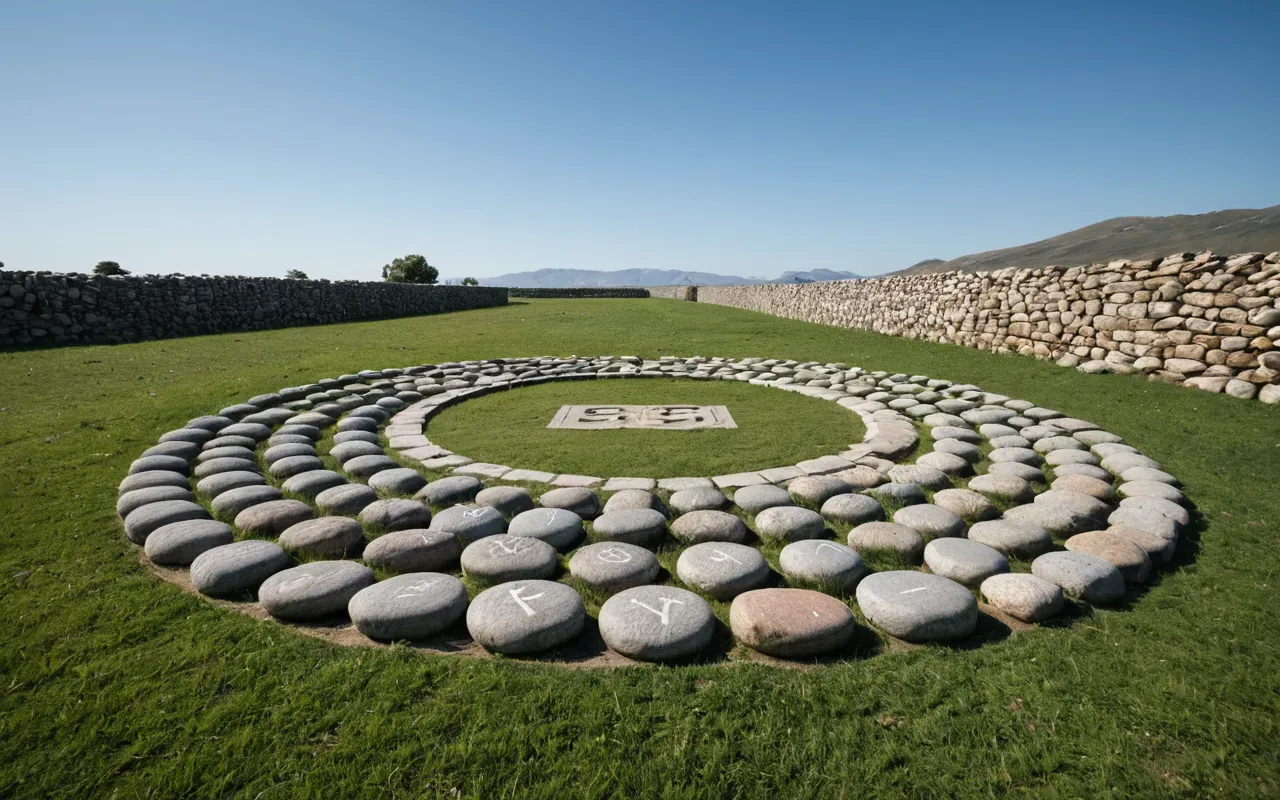
The carvings on these stones show animals like foxes and boars.
There is no evidence of weapons or war. This was a peaceful gathering place.
That is striking. It suggests early humans prioritized ritual and connection over conflict.
Who Actually Built This Monumental Site
We do not have names. We do not have written records.
But the scale implies a large group working together for generations.
Imagine coordinating hundreds of people without writing or complex machinery.
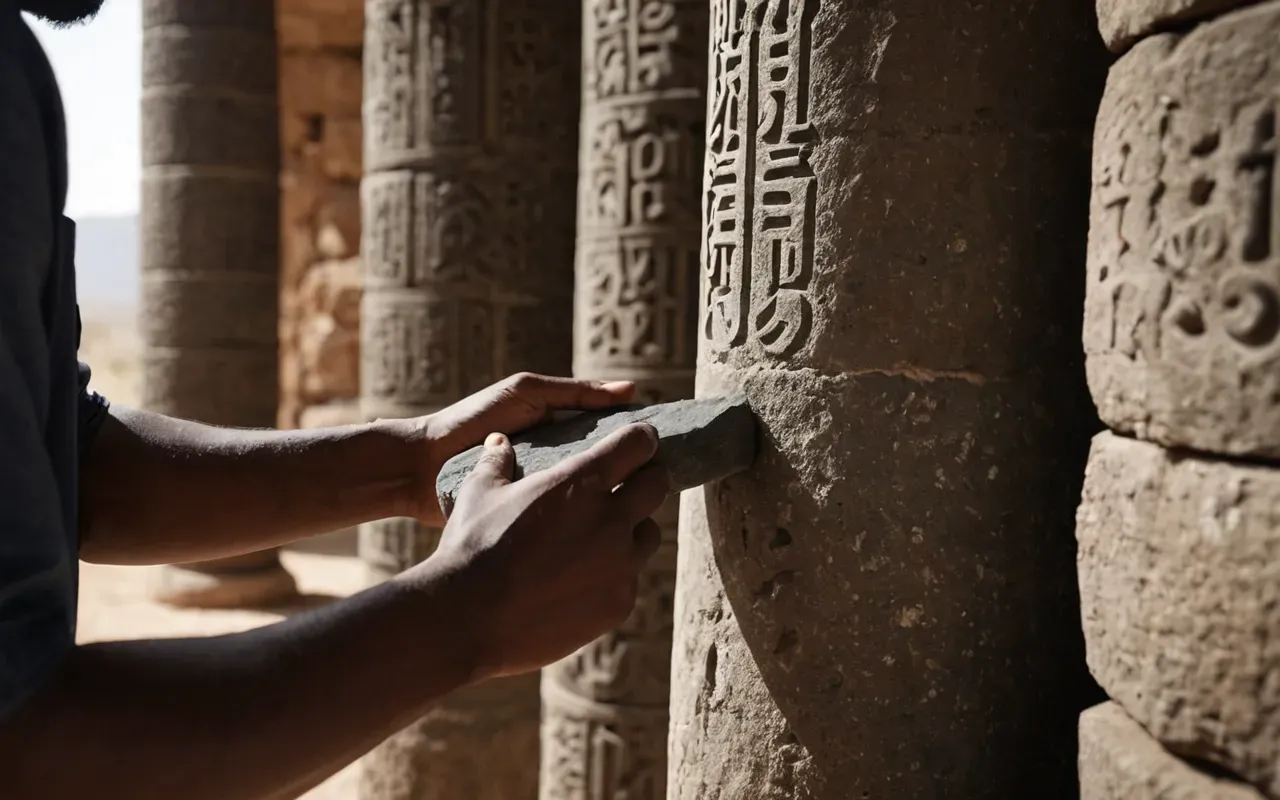
It required shared goals and strong social bonds. This was a community project.
This challenges the idea that early humans were isolated and simple.
What Richard Quest Saw That Changed His Perspective
Quest is used to data and numbers. He looks for the bottom line.
But standing in that circle he felt something different. He described it as humbling.
He realized our history is much more complex than the textbooks suggest.
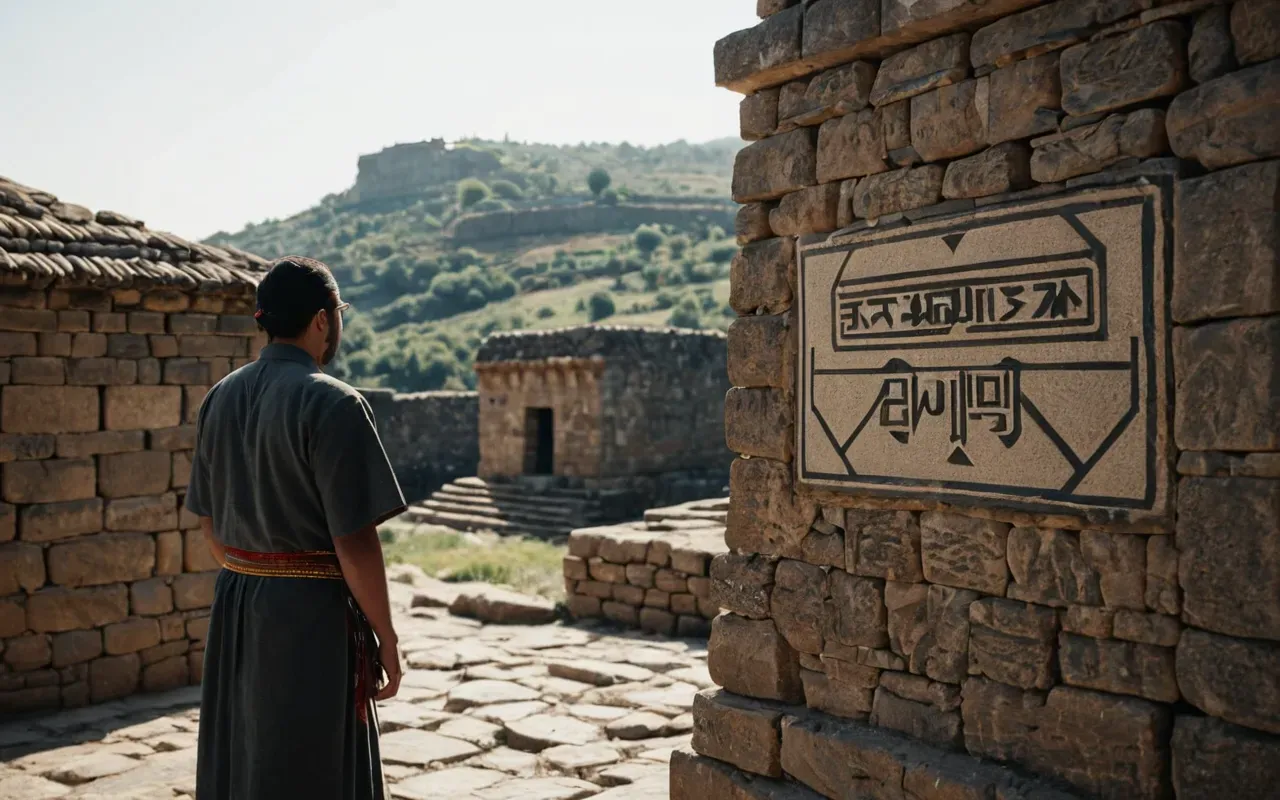
It is a reminder that we are still uncovering pieces of the puzzle.
The site was intentionally buried by its builders. Why? That is the real mystery.
Why This Site Matters To Your Understanding Of Us
We like to think we are unique because of our technology.
Göbeklitepe shows that social complexity came first. We are builders of meaning.
That is a profound shift in how we view human nature.
It suggests our drive to connect and create is ancient. It is in our bones.
If you want to understand more about the gaps in our standard historical narrative, this is a good place to start.
The Ongoing Debate Among Archaeologists
Not everyone agrees on the purpose of the site.
Some call it a temple. Others reject that label entirely.
If you are interested in why the temple label is contested, it reveals a lot about modern bias.
This debate is healthy. It pushes us to look closer at the evidence.
It keeps our understanding honest and open to new findings.