Three Tiny Stones Just Broke The Timeline Of Human Storytelling And Nobody Is Talking About It
The Silence Before The Story Begins
We have a deeply ingrained assumption about the sequence of human development. It goes something like this first you get food security through farming then you settle down in permanent villages and only after that do you develop complex language, art, or shared myths. This linear progression feels logical because it matches our own modern experience with stability enabling creativity.
But what if that timeline is completely backwards? What if the need to tell stories actually preceded the invention of agriculture by thousands of years? This isn't just a theoretical musing. It is now supported by physical evidence pulled from the limestone bedrock of southeastern Turkey.
I was struck by how quietly this story broke. There were no massive headlines screaming about the end of history as we know it. Instead three tiny stone figurines sat in a glass case in Ankara while archaeologists debated what they really meant for our collective memory.
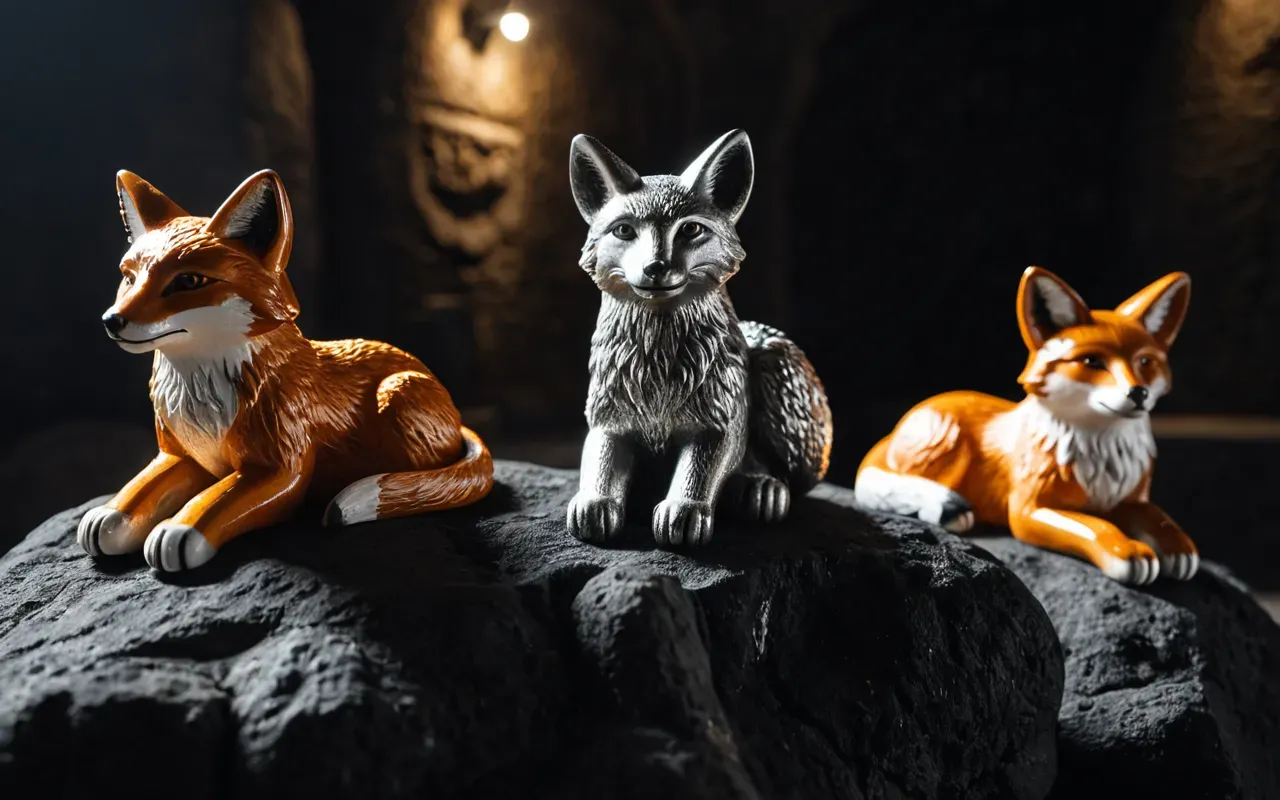
The artifacts are small. Each one is just about three and a half centimeters tall. A fox. A vulture. And a wild boar. They were found nestled together inside a stone container which was then placed within an even larger vessel covered by a lid.
Why Placement Matters More Than Shape
You might think that finding carved animals is impressive enough on its own. And to be fair it is incredibly rare for organic materials or fragile stones to survive eleven thousand years without turning to dust.
But the real shock here isn't that they exist. It is how they were arranged. Each figurine had its head placed into a specific limestone ring. They weren't scattered randomly across the floor of a cave like refuse dropped by careless hands.
Necmi Karul the head of excavations at Karahantepe points out that this deliberate positioning proves these objects were part of a carefully prepared composition. This is crucial because it suggests intent beyond mere decoration or toy-making.
Think about that for a moment. Someone eleven thousand years ago decided to carve these specific animals then place them in rings and bury them together under layers of stone vessels. That requires planning memory and shared understanding.
Previously archaeologists had mostly found two-dimensional depictions on immovable stones like pillars or wall reliefs. Those are static images meant to be looked at in a fixed location.
These figurines however were portable. They could be moved handled and arranged differently depending on the story being told at that moment. This flexibility implies a dynamic form of communication rather than just static iconography.
The Fox The Vulture And The Boar
Why these three? In the landscape of Anatolia from which Karahantepe rises each animal holds distinct ecological and symbolic weight. The fox is cunning elusive and often associated with trickster figures in folklore worldwide.
The vulture is a scavenger but also a cleaner of death. It connects the living world to what comes after. And the wild boar represents raw untamed power and fertility in the forested regions that once covered this area.
Together they form a triad. Not just random fauna but characters in a drama that these early communities understood deeply enough to encode into stone and hide away for safekeeping.
I keep coming back to the idea that this was a shared memory. If you only know one side of a story it doesn't matter how many times you tell it. But if an entire community knows the plot then those small stones become powerful anchors for group identity.
Sedentism Without Agriculture A Contradiction?
Here is where the conventional wisdom really starts to crack. We always assumed that people settled down because they needed to tend their crops. You can't chase gazelle if you have wheat fields waiting in the spring.
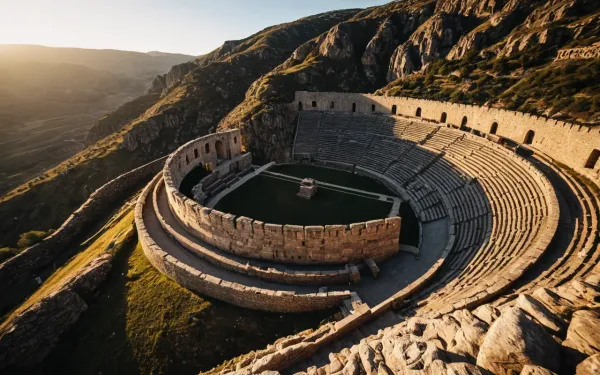
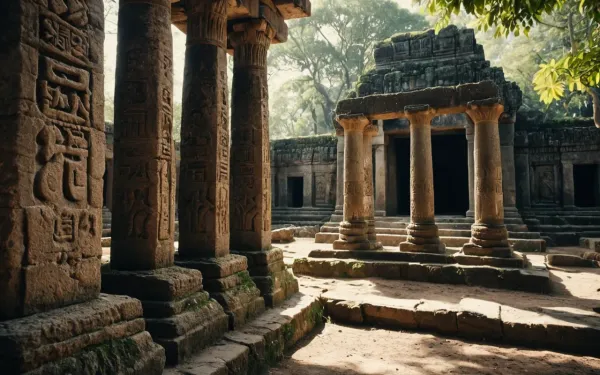
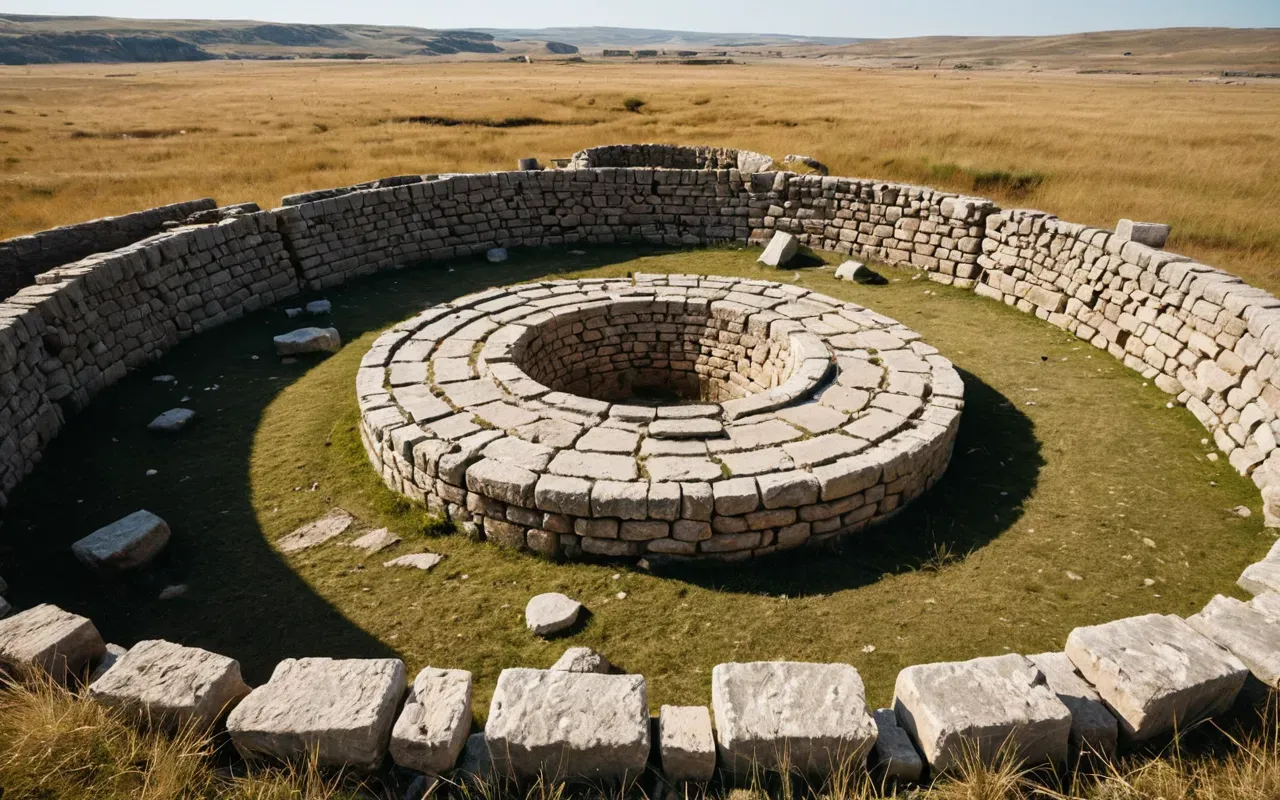
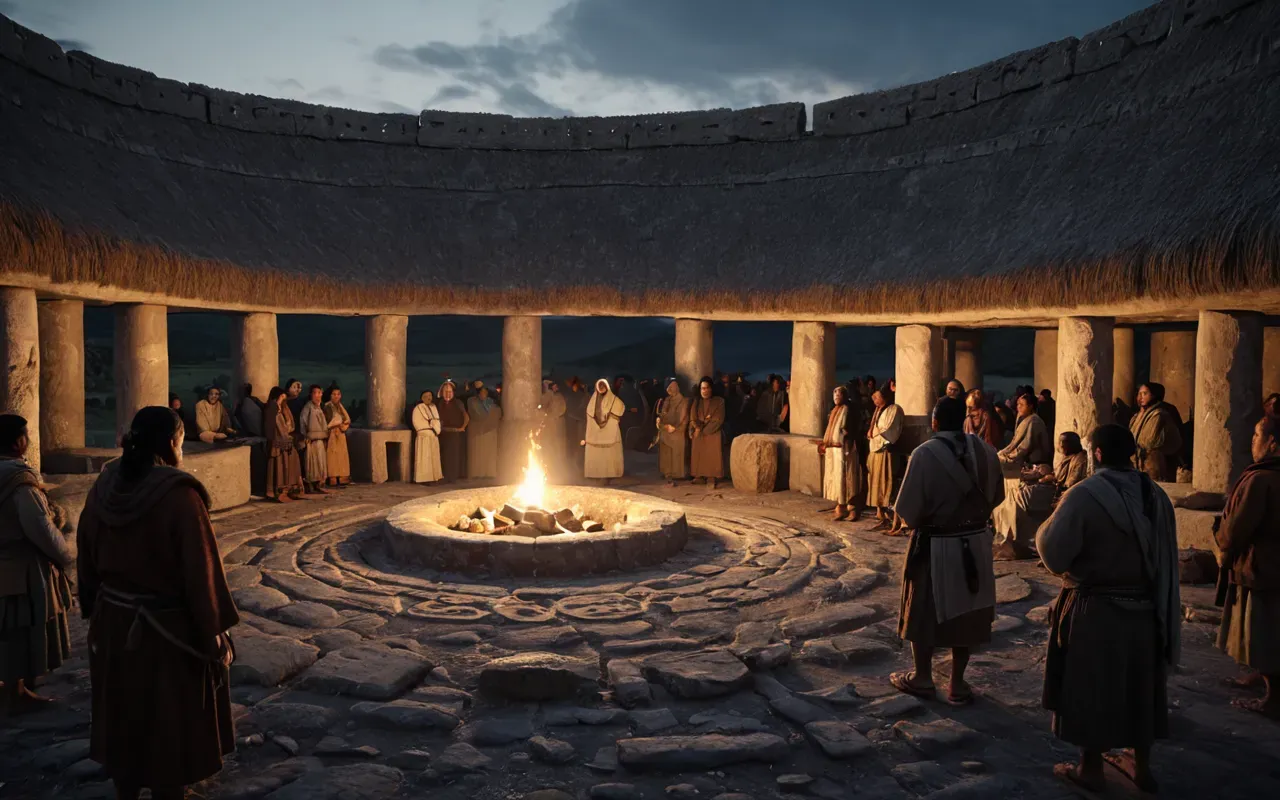
But Karahantepe and its neighbor Göbeklitepe show us massive circular structures built by people who were still primarily hunter-gatherers. They had no farms yet they were building temples.
So why stay? Karul suggests that these narratives must have been the social bonds holding this new order together. In other words people came to this place not for grain but for meaning.
This flips the script entirely. Instead of technology driving social complexity maybe complex social needs drove technological innovation including eventually farming.
It is a subtle but profound distinction. It means that religion or myth wasn't an accessory added later to make life more interesting. It was the engine.
The Weight Of Eleven Thousand Years
Dating back roughly eleven thousand five hundred years these figurines predate the earliest known writing systems by several millennia. Writing is often seen as the ultimate tool for preserving stories.
Yet here we have evidence that storytelling was already sophisticated enough to warrant dedicated physical representations. You do not need cuneiform tablets when you have a fox head locked in a stone ring.
This discovery forces us to reconsider how fragile our understanding of prehistory really is. We tend to project modern biases onto the past assuming that without cities there could be no complex thought.
But look at the craftsmanship. The detail in those tiny eyes and snouts speaks to artists who spent hours perfecting their work. Hours they could have spent hunting or gathering food.
That time investment tells you everything about their priorities. Art wasn't a luxury for them. It was essential infrastructure.
What Happens Next For The Region?
Only a tiny fraction of the fourteen-hectare site has been excavated since work began in twenty nineteen. Imagine what else might be sleeping under those mounds waiting to rewrite textbooks again.
Karul is now pushing for different kinds of UNESCO recognition to boost global interest in the project. This makes sense given how overshadowed Karahantepe has been by its more famous neighbor.
Göbeklitepe grabs the headlines because of its sheer scale and earlier dates but Karahantepe offers something equally valuable human intimacy through small objects.
It is like comparing a grand cathedral to the personal diary found in its basement. Both are sacred but they serve different functions.
As we stand on the brink of another decade of discoveries I wonder if we are ready to accept that our ancestors were far more clever than we give them credit for.
They didn't just survive. They created worlds within their minds and then carved pieces of those worlds into stone so they would never be forgotten.
Reassessing The Foundation Of Civilization
If you have ever wondered why certain myths persist across continents despite no contact between cultures consider this perspective. Maybe those stories were encoded into objects long before boats crossed oceans.
The idea that a fox vulture and boar could anchor a community's identity feels distant until you realize we still do exactly the same thing with flags anthems and national symbols.
We haven't changed much in twelve thousand years. We just got better at mass-producing the tokens of our shared beliefs.
So next time you read about a new archaeological find remember to look beyond the size of the monument. Sometimes the smallest stones hold the heaviest truths.
And honestly that is a lesson worth carrying into the future. In an age where digital content disappears in seconds perhaps we should all try carving our memories into something lasting.
The Bigger Picture For Regional Archaeology
This region of Turkey is becoming the epicenter for rethinking early human history. With sites like Çayönü and Nevalı Çori nearby we are seeing a dense cluster of innovation.
It suggests that this wasn't an isolated phenomenon. The shift toward complex social organization likely happened across a wide geographic area simultaneously.
If you're curious about how Karahan Tepe might even predate its famous neighbor, the chronological debates are just getting started.
What becomes clear is that the transition from nomadism to settlement was not a straight line. It was messy overlapping and deeply rooted in spiritual needs.
We often view progress as moving forward away from superstition toward reason. But looking at these stones I see a different kind of wisdom.
A recognition that without shared stories we are just individuals wandering through a cold universe. With them we build worlds.
Final Thoughts On The Fox Vulture And Boar
These three little stones remind us that humanity's greatest achievement wasn't the wheel or the plow. It was the ability to agree on what matters.
That is something worth remembering next time you scroll past a news feed full of division. The roots of unity go back further than anyone thought.
And who knows maybe somewhere under the sands of Sanliurfa another container waits with its own secret trio ready to tell us more.
Until then we can only marvel at the ingenuity of those who came before us and wonder what other secrets lie buried in the hills.
It is a humbling reminder that we are still learning the first chapter of our own story.
For anyone fascinated by how early humans organized their societies this find is monumental. It proves that complexity arose from within the mind long before it appeared in fields.
The fox the vulture and the boar are no longer just animals. They are storytellers themselves speaking across millennia.
And if we listen closely enough we might just hear the beginning of everything.