Why Was Göbeklitepe Intentionally Buried After 1,500 Years?
Why Was Göbeklitepe Intentionally Buried After 1,500 Years?
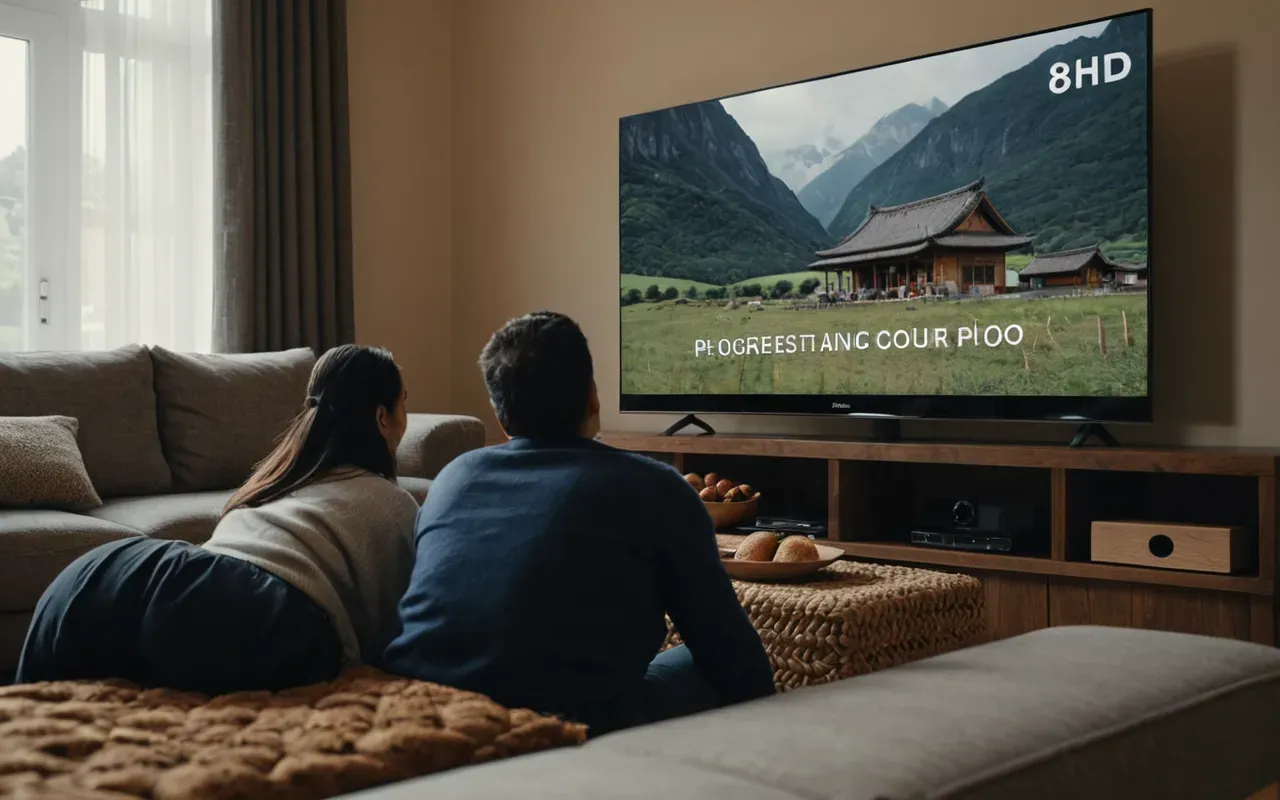
I turned on the television last Tuesday expecting a straightforward archaeological update. Instead I got Hollywood drama set against ancient stones. The narrator whispered about lost civilizations while dramatic music swelled in the background. It felt less like education and more like entertainment designed to sell subscriptions.
Look at how these programs frame the narrative. They treat Göbeklitepe as an anomaly rather than a logical step in human development. The scripts often imply that hunter-gatherers suddenly built massive temples before they even knew how to farm. This creates a mystery where none necessarily exists for those who understand social organization.
And here is the thing that really bothers me. These documentaries ignore the sheer scale of labor organization required to move those T-shaped pillars. They focus on the spiritual mystery but skip the engineering reality. That omission changes everything we think we know about early human society.
The Myth Of The Solitary Genius
Television producers love a lone visionary. They often suggest that one shaman or leader convinced scattered bands to stop hunting and start building. But the physical evidence does not support this romanticized view of leadership in prehistoric times.
The construction required hundreds if not thousands of people working simultaneously. You cannot coordinate that many individuals without established social structures and communication methods. The idea that a single charismatic figure orchestrated this is simply bad history writing.
So why do they keep telling it? Because conflict sells. A battle between primitive instincts and sudden spiritual awakening makes for better TV than explaining complex communal decision-making processes over decades.
Ignoring The Agricultural Timeline Reality
Another major error is the timeline confusion. These shows often blur the lines between pre-pottery Neolithic A and B periods. They treat all early farming communities as identical groups living in huts with no distinction.
But Göbeklitepe predates widespread agriculture by centuries. The people who built it were largely hunter-gatherers who began experimenting with plant domestication later on. This distinction matters enormously for understanding human innovation.
By ignoring this nuance the documentaries reinforce an outdated model. They suggest that complexity always follows food surplus rather than sometimes preceding it. This is a fundamental misunderstanding of human adaptability.
The Role Of Collective Rituals
Ritual likely drove the construction not just individual belief. Large scale feasting events would have required resource pooling from many different groups. This social glue is invisible in dramatic reenactments but clear in archaeological soil samples.
These gatherings created networks of trust and exchange. They allowed for specialized labor to emerge without centralized state control. It was a decentralized system that modern viewers struggle to visualize.
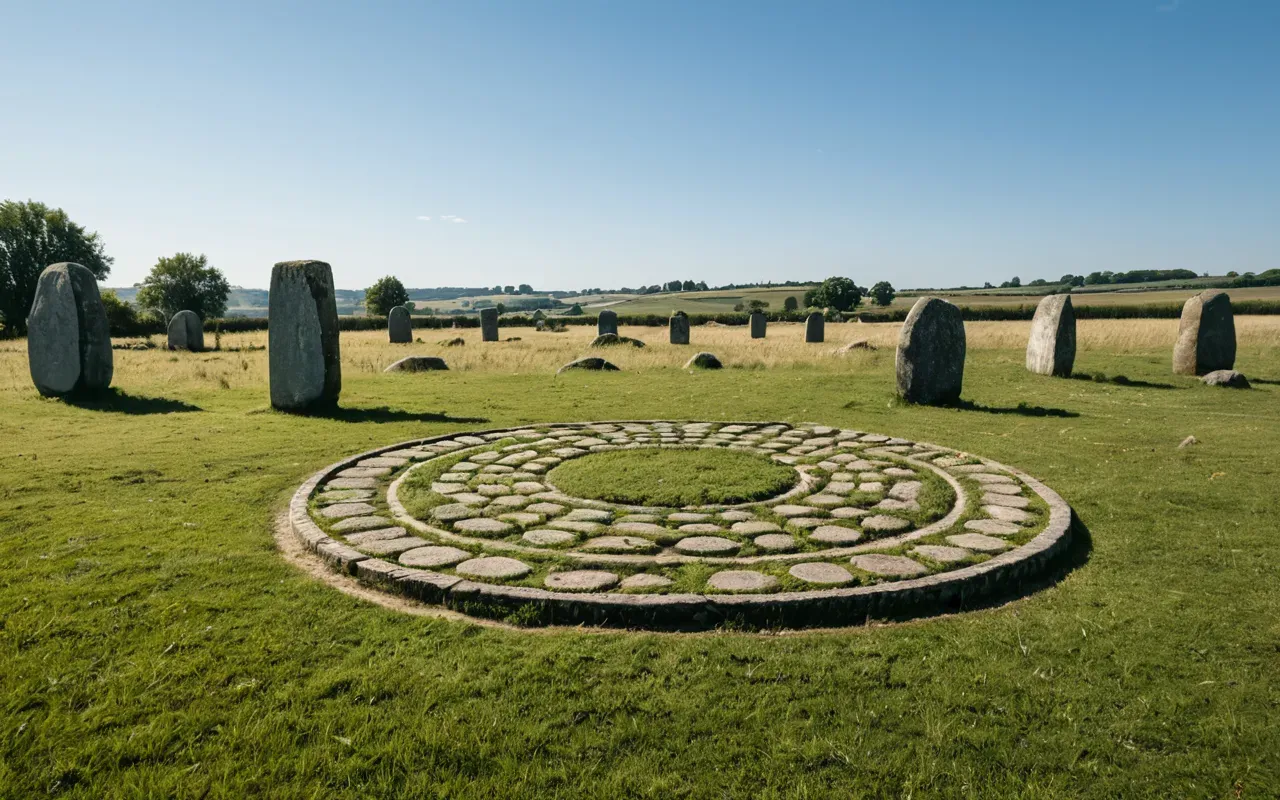
Visual Bias In Modern Presentations
Let's talk about the visuals. Programs frequently use computer-generated imagery that looks too clean and polished. The reconstructed buildings appear like modern museums rather than rough prehistoric structures.
This visual bias misleads viewers about the actual conditions. Real Göbeklitepe involved mud plaster and timber roofs that have long since rotted away. Showing pristine stone walls creates a false impression of permanence.
Moreover the lighting in these documentaries is often overly dramatic. Dark corners and spotlight effects make simple architectural features look mysterious or supernatural. This stylistic choice undermines scientific credibility.
I have seen enough reality TV to recognize these techniques. They are designed to evoke wonder not understanding. When you strip away the music and shadows what remains is impressive human engineering.
The Problem With Expert Interviews
Even the academics quoted in these shows often play into the narrative. They use sensational language to secure airtime and funding for their research projects.
Phrases like rewriting history or changing everything become common tropes. But careful reading of the actual papers reveals much more cautious conclusions. The gap between academic writing and broadcast media is stark.
This disconnect hurts public understanding of archaeology. Viewers leave thinking that new discoveries completely overturn previous knowledge rather than refine it.
We need more balanced reporting. Science communication should emphasize process and uncertainty not just exciting headlines.
What The Stones Actually Tell Us
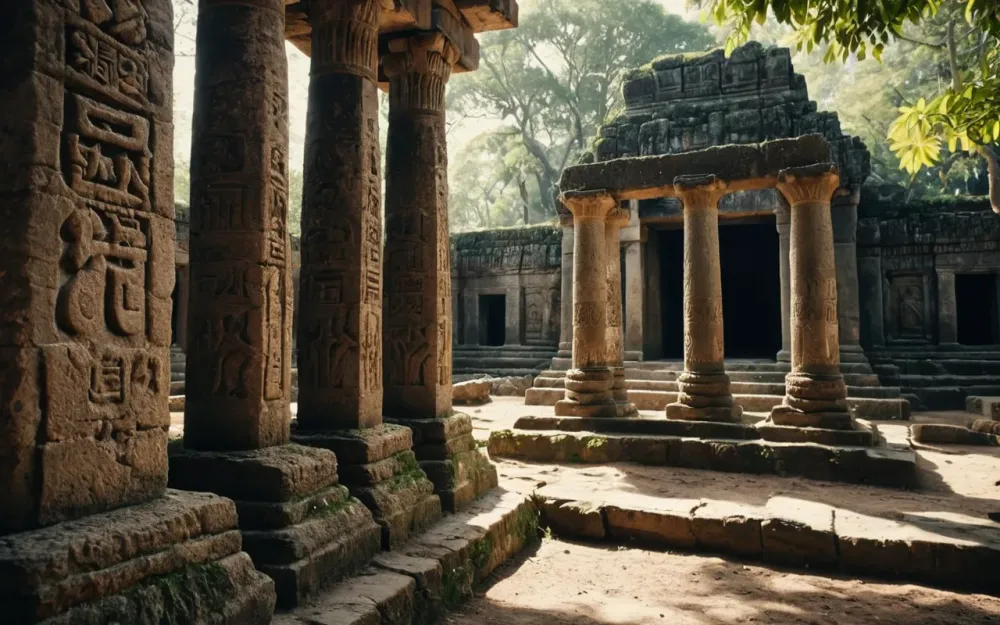
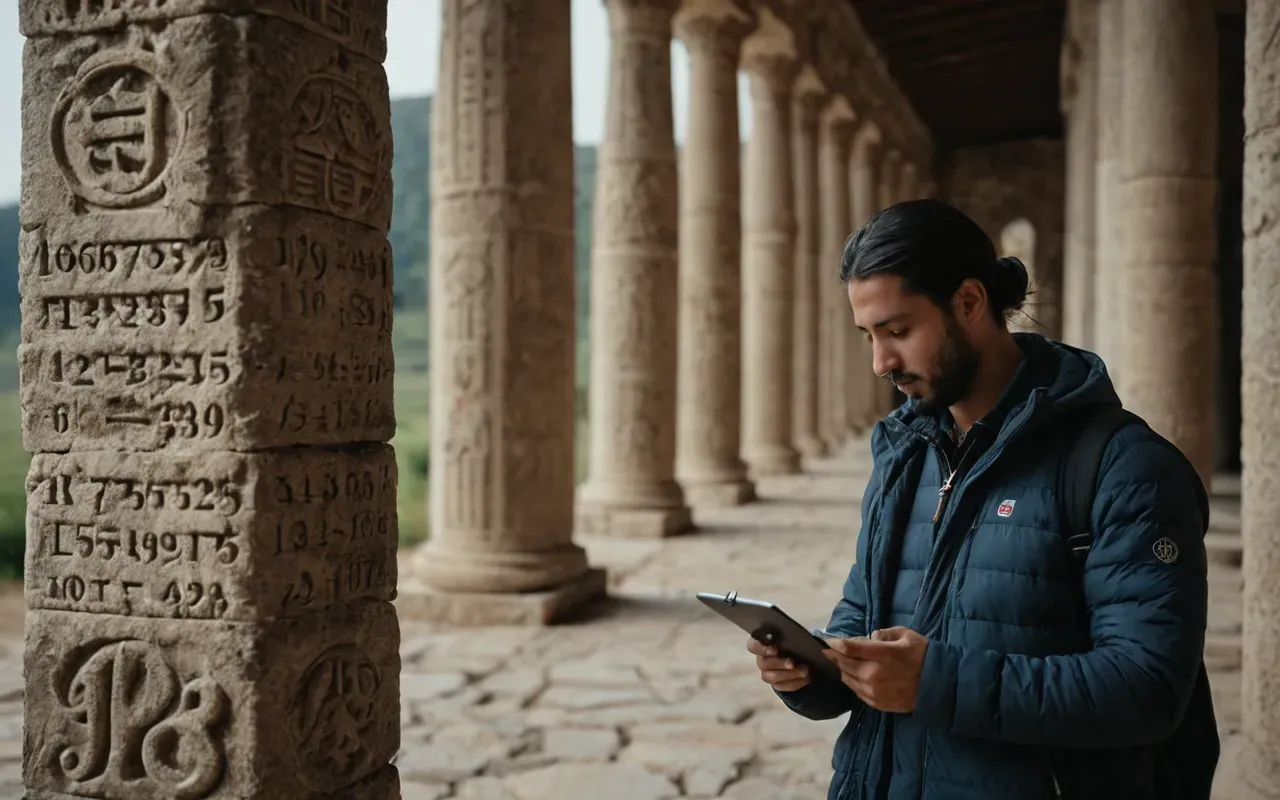
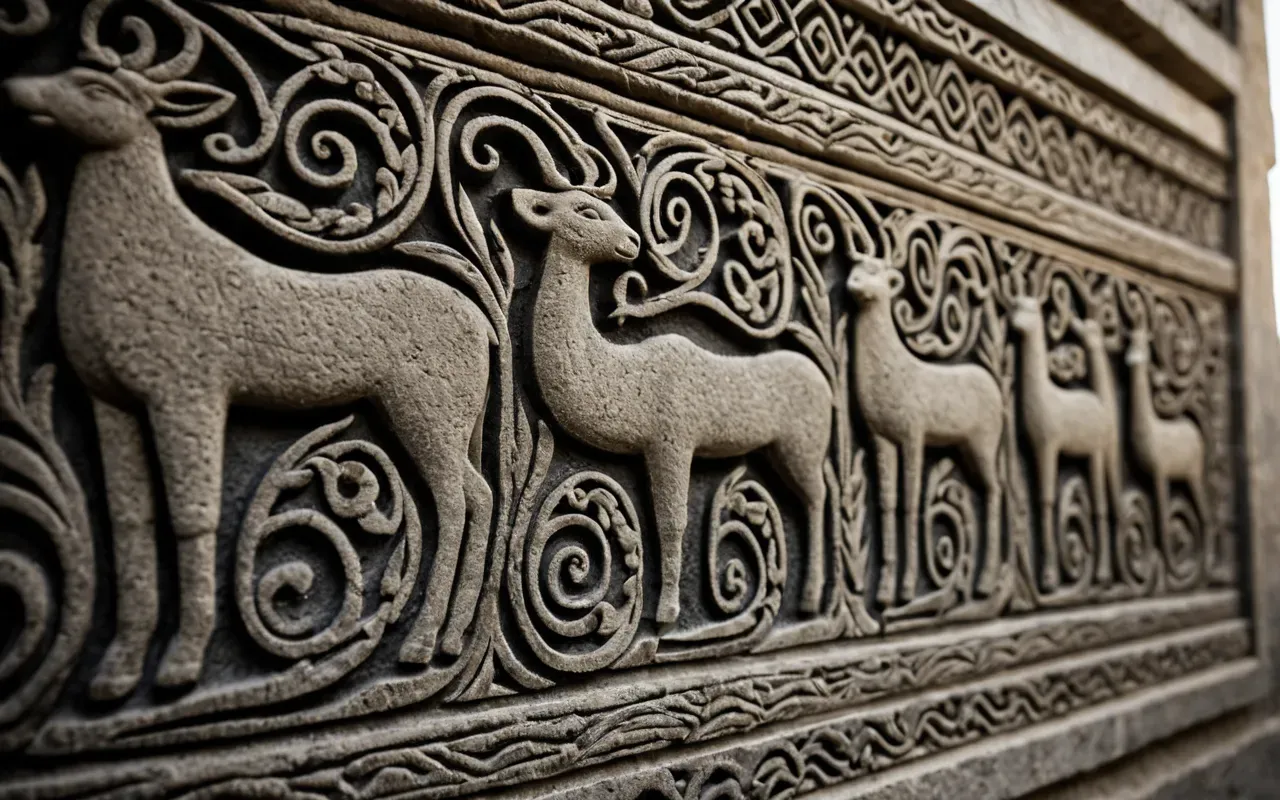
The carvings on the pillars provide crucial context often ignored by TV crews. Foxes lions cranes and vultures are depicted with remarkable detail.
These images reflect a deep knowledge of local fauna. It suggests that the builders had intimate familiarity with their environment long before permanent settlement.
The artistry itself indicates specialized skills. Someone spent years learning to carve limestone effectively. This implies social stability allowing for apprenticeship and skill transmission.
Documentaries rarely spend time discussing the technical aspects of stonework. They focus instead on symbolic interpretations that remain speculative at best.
Technical Mastery Without Metal Tools
Consider that no metal tools were available. The builders used stone hammers and wooden wedges to quarry massive blocks.
This requires immense physical effort and precise planning. You cannot improvise when moving multi-ton stones without modern machinery.
The success of the project demonstrates advanced organizational capabilities. It challenges the notion that early humans were merely surviving day to day.
The Social Contract Of Construction
Building such a site required agreement among diverse groups. There was no police force to compel labor participation.
Voluntary cooperation must have been strong. Shared beliefs or economic incentives likely motivated people to contribute.
This level of social cohesion is rarely acknowledged in popular media. The focus remains on individual genius rather than collective achievement.
The Economic Impact Of The Site
Göbeklitepe probably functioned as a regional hub. People traveled from miles away to participate in ceremonies.
This movement of people facilitated trade and idea exchange. It accelerated technological development across the region significantly.
Yet most documentaries present it as an isolated wonder. They miss its role in broader network formation.
Understanding this connectivity changes how we view prehistoric societies. They were not isolated pockets but interconnected systems.
Why Accuracy Matters For Modern Viewers
Misrepresenting the past affects how we see ourselves today. If we believe early humans were chaotic and disorganized then we undervalue human potential.
Göbeklitepe shows that complex organization is possible without states. It offers an alternative model for social cooperation.
This insight could be valuable in our own time. We face challenges requiring large scale coordination without heavy bureaucracy.
Learning from the past accurately helps us imagine different futures. It expands our imagination beyond current political structures.

The Need For Better Science Communication
Archaeologists must engage more directly with media producers. They should push back against sensationalism when it distorts facts.
Television networks also need to prioritize accuracy over ratings. Educational content has a responsibility to inform not just entertain.
Audiences deserve better than mystery wrapped around simple engineering. They want to understand how humans achieved greatness.
We can do better than the current standard of storytelling. Let's demand truth over drama in historical programming.
Connecting To Broader Historical Narratives
Göbeklitepe fits into a larger pattern of early monument building. Similar sites exist across Anatolia and the Levant.
If you're curious about why your history textbook is wrong about how civilization actually began this site provides key evidence.
The region was a hotspot for innovation. Understanding one site helps illuminate many others in the network.
This regional perspective is often missing from focused documentaries. They treat each discovery as unique rather than part of a trend.
Comparisons With Other Ancient Sites
Stonehenge comes to mind for many viewers. But that site is much younger and built with different techniques.
Comparing them directly creates false equivalencies. Each site reflects unique cultural contexts and needs.
The Importance Of Contextual Analysis
Archaeology requires careful contextual analysis. You cannot separate objects from their surrounding environment.
Media often strips away this context for simplicity. But simplicity comes at the cost of accuracy and depth.
The Future Of Historical Storytelling
Streaming platforms open up real room for nuance that broadcast TV never had. Longer formats let a topic breathe, so you can actually follow an argument instead of watching it get flattened into a two-minute segment.
There's also the interactive side. Instead of sitting back and letting images wash over you, imagine actually walking through a virtual reconstruction yourself—poking around, testing your own assumptions. That shifts the viewer from passive observer to active participant.
And here's the thing: the technology is already here. So the question isn't whether we can do it, but whether we use it to deepen understanding—not just to put on a flashy show.
Challenging The Viewer To Think Critically
Next time you watch a history program, stop and ask questions. Who funded this production? What biases might be baked into the narrative? Those answers change how you read every scene.
Be skeptical of absolute claims. History is rarely black and white—especially when you're dealing with ancient periods where the evidence is fragmentary and the interpretations are contested.
Whenever possible, go to primary sources. An academic journal will give you far more reliable information than a TV summary that has to fit a story arc.
Education is a two-way street, honestly. Viewers have to meet the material halfway and engage with their own learning process, not just absorb whatever's on screen.
The Lasting Legacy Of Göbeklitepe Research
Research keeps moving fast. New excavations keep adding layers of complexity, so what we thought we knew last year can be overturned by a single dig season.
That dynamism is exciting, but it's a nightmare for media. Static narratives go stale quickly—facts get outdated, and suddenly the "definitive" documentary looks thin.
We need storytelling that bends and adapts. If history is alive, then media coverage has to be too.
Conclusion Embracing Complexity Over Mystery
Göbeklitepe doesn't need supernatural explanations. Its true story—what those people actually pulled off—is impressive enough on its own merits.
Early humans were capable of remarkable achievements. We should respect that intelligence and creativity fully, rather than assuming they needed aliens or divine intervention to build something monumental.
Frequently Asked Questions
Why do documentaries often get the timeline wrong?
Documentaries often simplify complex chronologies for dramatic effect. They merge distinct Neolithic periods into a single seamless narrative arc, prioritizing storytelling over archaeological precision and stratigraphic accuracy.
Was Göbeklitepe built by farmers or hunters?
Evidence suggests it was primarily hunter-gatherers who built it. They began experimenting with agriculture later, but the initial construction predates widespread farming—which points to social organization that existed before food surplus.
How accurate are the CGI reconstructions shown?
They vary greatly in accuracy. Many prioritize visual appeal over scientific evidence, resulting in overly clean structures that don't reflect the likely rough appearance of mud and timber buildings.
Can individual leaders have built such a site?
Highly unlikely given the scale. Moving multi-ton stones requires coordinated labor from hundreds of people, which suggests collective decision-making rather than top-down command from a single charismatic leader.
What role did ritual play in construction?
Ritual likely provided the motivation. Large feasting events facilitated resource pooling and social bonding among diverse groups, enabling voluntary cooperation without centralized state authority or coercive mechanisms.
For the full overview, see Göbeklitepe historical mystery.
Related in this series: Göbelitepe builders identity, age of Gobeklitepe temple complex.