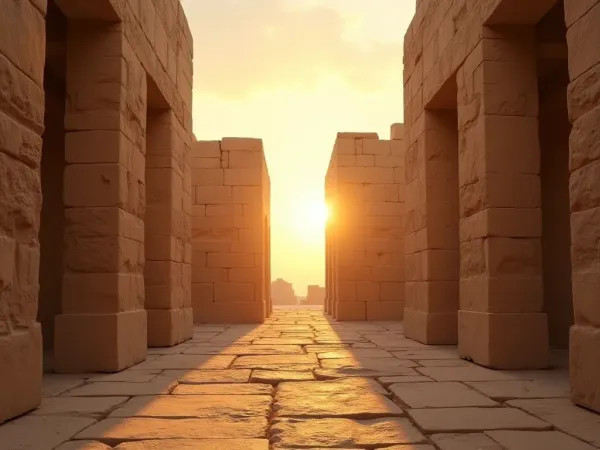
Why Drone Footage Of Pergamon Proves We Still Have No Idea How Ancient Builders Worked
The View From Above Changes Everything You Thought About Stone
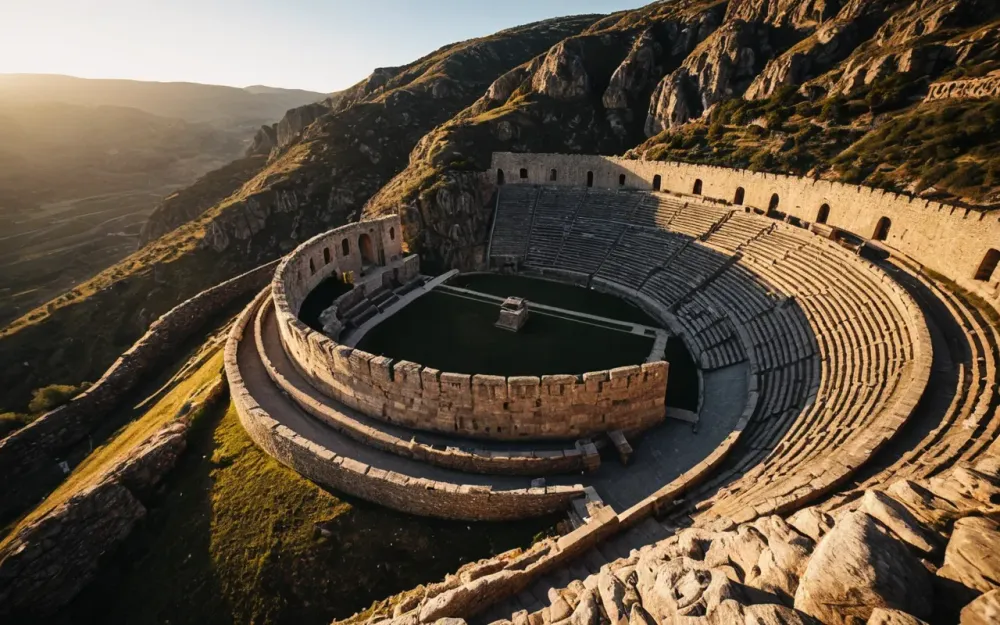
I stared at the screen for a long time. The drone hovered silently over the jagged limestone cliffs of Pergamon in Turkey. Below it lay modern Bergama with its white houses and winding streets. But above that? A ghost city clinging to rock so steep it made my eyes water just watching.
We think we understand how ancient people built things. We assume they had ramps. Or cranes. Maybe slave labor and brute force. But looking at the Great Theatre of Pergamon from this new aerial angle, those explanations feel thin. Fragile even.
The theatre is carved directly into the hillside. It has a seventy-degree incline. That is almost vertical. Modern safety codes would scream danger. Yet ancient spectators sat there comfortably. They watched plays on slopes that defy basic physics as we teach it today.
Who Really Wins When History Gets Rewritten By A Camera Lens
Here is the thing. We love our textbooks because they give us order. Farmers first. Then cities. Then temples. It makes sense linearly. But reality rarely cares about our neat timelines.
When I look at Pergamon hanging off that cliff I see the same puzzle as Göbeklitepe. Massive structures built by people who supposedly had no advanced tools. No wheels even in earlier eras.
If you are curious about why your history textbook is wrong about how civilization actually began this drone footage adds another piece. It suggests our ancestors were far more daring than we credit them for.
The implication is uncomfortable. It means our understanding of 'progress' might be backwards. Maybe ritual and belief came first. Then the technology followed to support that vision.
The Engineering Defies Common Sense Logic
Seventy degrees. Think about that number. A ladder at home might be seventy-five degrees if you want to climb high fast. This was a public seat. People walked up this every day.
How do you carve stone without slipping? Without falling to your death? Modern engineers use scaffolding. Ancient builders used chisels and hammerstones. The skill gap is enormous.
And yet it stands. Or rather the ruins stand as proof of what was possible. The precision is haunting. Each row aligns perfectly despite the chaotic nature of natural rock.
Why We Keep Underestimating Early Human Capability
We judge them by our standards. And we fail. Because we cannot imagine wanting to sit on a vertical wall for entertainment. But desire drives technology.
If the goal was spiritual awe or social dominance then safety became secondary. The view from up there must have been electrifying. Looking down on the city below while gods watched.
This connects deeply to how new stone finds at Gobeklitepe rewire the human timeline. It shows a pattern of monumental effort driven by non-material needs.
The Psychological Impact Of Vertical Architecture
Think about cathedrals. They shoot up to make you feel small. Pergamon does the opposite. It hugs the earth but climbs impossibly high. It creates vertigo intentionally.
You feel exposed. Vulnerable. Connected to the sky above and the ground below simultaneously. That sensory overload is likely part of the ritual experience.
Challenging The Narrative Of Slow Technological Growth
Textbooks say tech grows slowly. Incrementally. But Pergamon looks like a leap. A sudden mastery of geology and physics that appears almost overnight in the archaeological record.
Or maybe we just missed it. Maybe the knowledge existed long before and was lost when empires fell. History is not a straight line upward. It loops back sometimes.
What The Drone Sees That Our Eyes Miss From Ground Level
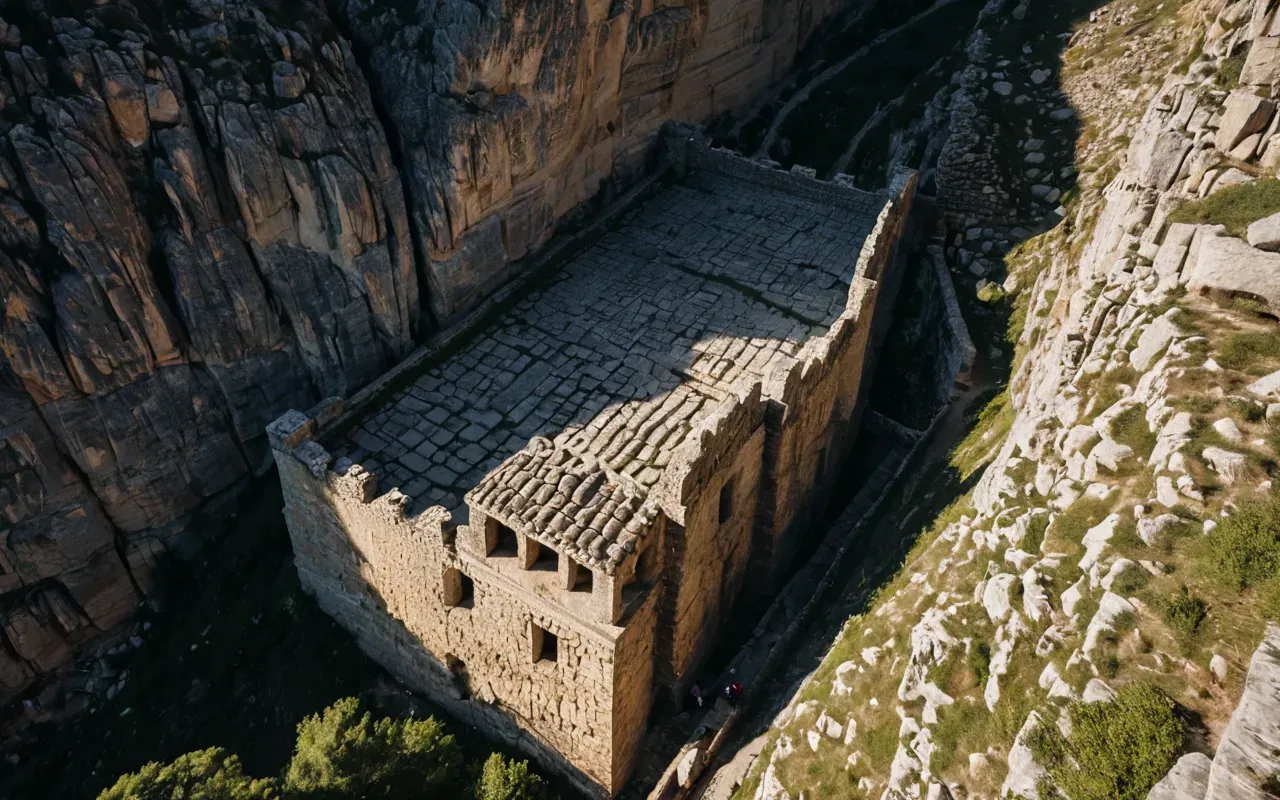
From the ground you see stairs. You see walls. The drone sees geometry. It reveals how the entire acropolis fits into the landscape as one unified machine of stone.
The temple complex sits higher still. Guarding the top like a crown jewel. The theatre anchors it to the earth below. This spatial relationship matters immensely.
It suggests a cosmological map built in stone. Earth below sky above with humanity squeezed tightly between them trying to reach upward through sheer willpower.
This mirrors themes found in the ancient stones at Gobeklitepe hide a secret that completely flips how we measure human progress. Scale and ambition define these cultures.
Reevaluating Labor Forces Without Modern Machinery
How many workers did it take? Thousands certainly. But organization required more than brute numbers. It needed logistics. Food supply chains. Water management systems.
The infrastructure supporting the builders is invisible now. Hidden under centuries of erosion and neglect. But it was there. Essential for survival during construction.
The Risk Factor In Ancient Construction Projects
Accidents must have been common. Falling stones. Slipping feet. Yet the project continued. Why? Because stopping meant failure. And failure wasn't an option for kings.
Eumenes II commissioned this theater. He wanted glory eternalized in rock. Personal legacy outweighed worker safety metrics by miles if you ask me.
Why This Matters For Understanding Human Innovation Patterns
Look at today's skyscrapers. We marvel at height and glass facades. But Pergamon reminds us that innovation isn't always about new materials. Sometimes it is just extreme confidence.
Our ancestors looked at a cliff and saw seating. We look at the same cliff and see danger. That mindset shift tells us more about culture than archaeology ever will.
It challenges the idea that fear prevents progress. Instead passion overrides caution repeatedly throughout history whenever big ideas emerge.
Connecting Pergamon To Broader Archaeological Mysteries Globally
Similar stories exist everywhere. Machu Picchu clinging to Andes peaks. Petra carved into desert cliffs. Humans love building on impossible terrain for symbolic reasons.
The difficulty adds value. If anyone could build it then it means nothing. Only the worthy deserve such monumental effort according to ancient logic.
This echoes arguments in why we were wrong about civilization starting with farms. Survival comes second to meaning often.
The Role Of Spectacle In Ancient Political Power Structures
Kings used architecture to intimidate rivals. A theater on a cliff says we control nature itself. It projects strength without firing arrows.
Visitors arriving from below would feel small instantly. Their minds open to suggestion and awe simultaneously under the shadow of marble giants.
Psychological warfare through design is an old game. Pergamon plays it masterfully even after two thousand years of silence.
Final Thoughts On What The Sky Reveals About Our Past
Drones are changing archaeology fundamentally. They let us see connections invisible from ground level. Patterns emerge that change entire narratives about capability.
Pergamon is not just a ruin. It is a testament to human audacity. A reminder that we always underestimated our predecessors at our peril.
Next time you see a steep hill ask yourself what could be built there. The answer might surprise you beyond belief if you let your imagination run wild.
History is alive in these stones. Waiting for fresh eyes to interpret their silent messages correctly without preconceived limits holding them back.
Digging Deeper Into The Engineering Anomalies Of Antiquity
Let us get technical for a moment. The mortar used here differs from Roman concrete significantly. It seems weaker yet holds firm against gravity's pull.
Some researchers argue hidden reinforcement techniques existed. Others claim pure geometry saves the day. The debate rages on without definitive proof either way.
I find the geometric explanation more compelling honestly. Shapes distribute weight efficiently when designed with mathematical precision lost to time.
This ties back to the shocking truth about how Gobeklitepe was really built. Simple principles applied perfectly beat complex materials failing prematurely.
Material Science Mysteries In Hellenistic Architecture
Limestone varies wildly in hardness across the quarry. Carvers had to adapt constantly to changing resistance levels while maintaining uniform appearances.
That level of craftsmanship requires training. Apprenticeships lasting decades perhaps. Knowledge passed orally rather than written down in manuals.
When empires fall those secrets die with the masters. Leaving future generations scratching heads over ruins they cannot replicate today.
Tool Marks Tell Stories No Texts Can Capture Fully
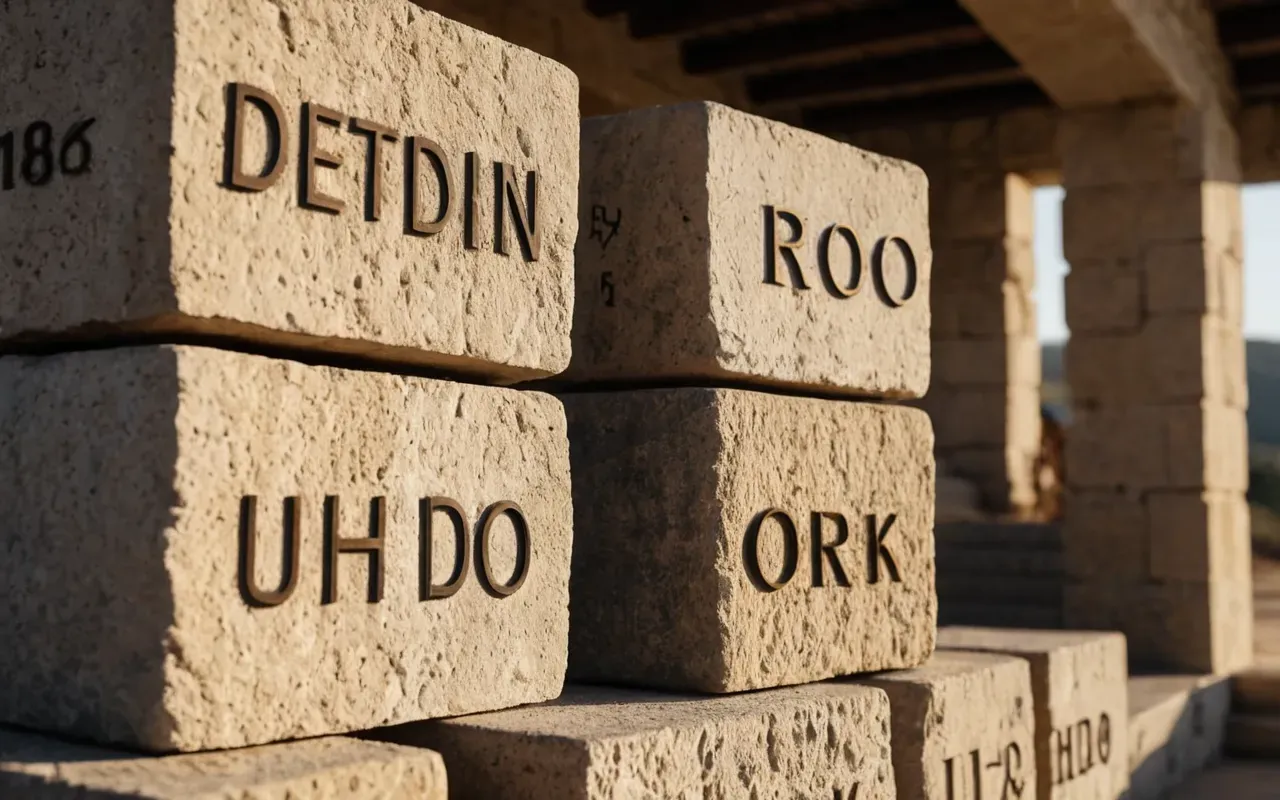
Close inspection reveals chisel patterns unique to individual workers. Like signatures left in stone for eternity without names attached anywhere.
We can trace their movements across surfaces. See where they hesitated or accelerated based on stroke depth and spacing consistency.
It humanizes the monument instantly. Transforming cold rock into warm labor done by real flesh and blood hands long gone now.
Comparative Studies With Other Mediterranean Sites Show Similar Trends
Athens Parthenon sits flat. Pergamon climbs vertically. Different approaches to same goal of divine proximity and royal glorification.
Geography dictates style here. Mountains demand climbing solutions not horizontal spreads across plains easily accessible everywhere.
Understanding this context prevents false judgments about technological regression or advancement incorrectly assumed otherwise.
The Cultural Resonance Of Vertical Sacred Spaces Today
Tourists still climb those stairs. Feeling the same vertigo ancient spectators felt daily without hesitation or fear apparently.
The emotional impact remains potent. Connecting present visitors to past rituals through shared physical sensations of height and exposure.
This continuity bridges millennia effectively. Making history tangible rather than abstract concepts locked away in dusty libraries somewhere.
Perhaps that is why places like Pergamon endure culturally despite physical decay. They embody spirit stronger than stone itself ever could.
Modern Interpretations Often Miss The Point Entirely Honestly
We focus on structural integrity ignoring symbolic meaning embedded deeply within every curve and angle chosen deliberately.
The steepness wasn't accidental. It was essential to the experience being created intentionally for psychological effect primarily.
Recognizing this shifts focus from how to why questions which yield richer insights into ancient worldviews generally speaking.
Educational Value Lies In Challenging Assumptions Regularly
Students learn best when surprised by contradictions between expectation and reality presented clearly before them.
Pergamon offers that opportunity daily. Inviting scrutiny and reflection on human potential limits often imagined incorrectly.
So next time you doubt ancient capabilities remember this cliffside theater standing proud against all odds seemingly.
Wrapping Up The Mystery With Open Questions Remaining Still
We have answers but also new puzzles emerging constantly from fresh perspectives gained via technology advances.
Pergamon teaches humility regarding our understanding of past achievements significantly regardless of era studied.
Stay curious. Question everything including your own biases about what ancient people supposedly could or couldn't do.
The past speaks if we listen carefully enough without filtering words through modern prejudice clouds obscuring truth.