The Tiny Stone Fox That Proves We Wrote Stories Before We Built Cities
A Fox A Vulture And A Boar Tell The Real Story
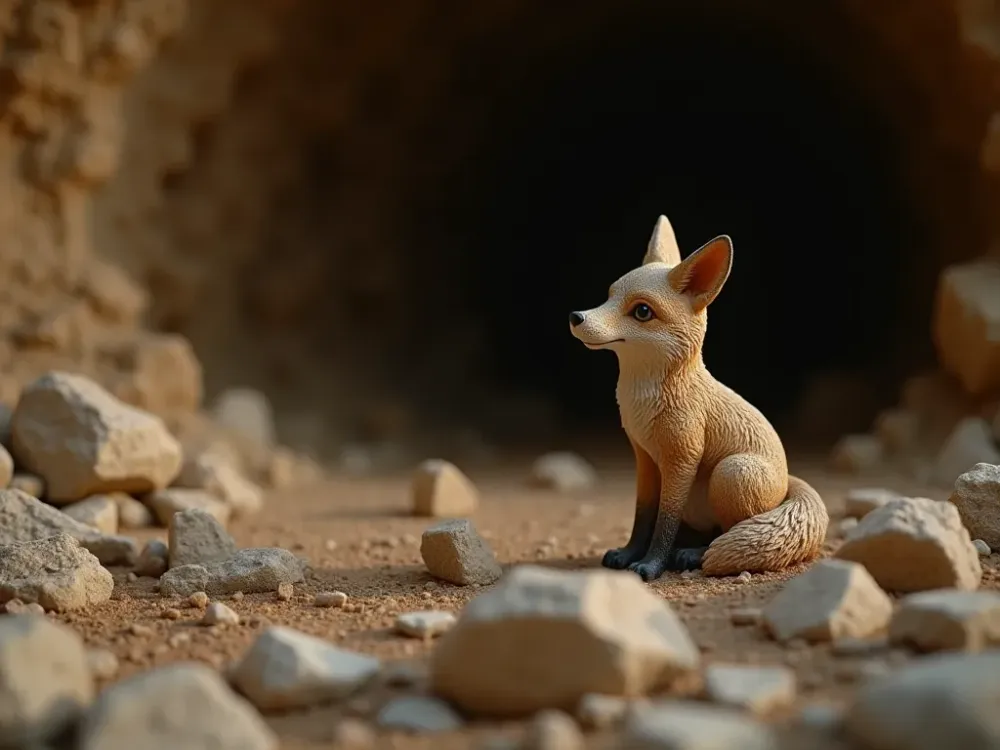
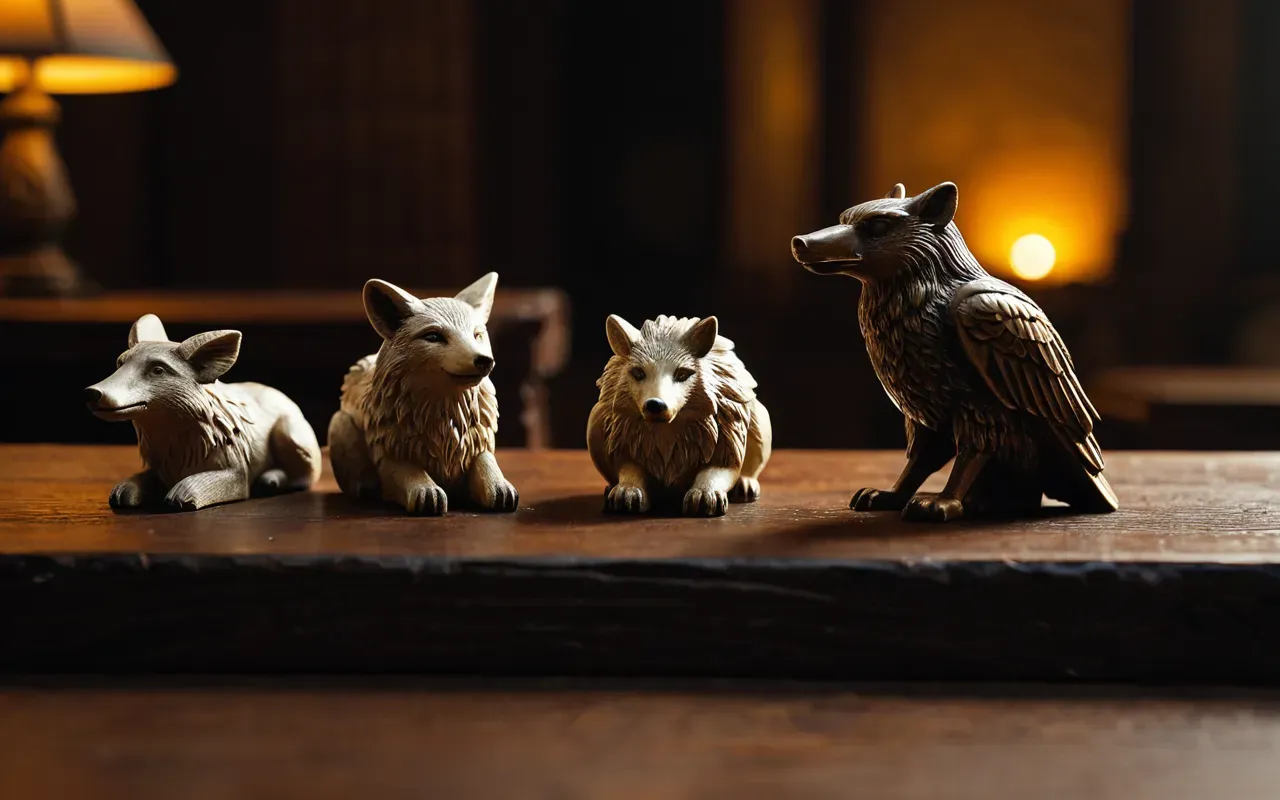
A stone fox, small enough to fit on your thumb. Next to it, a vulture. Then a wild boar. Not toys — evidence. These are the first known storytelling objects in human history.
Archaeologists at Karahan Tepe pulled these three figurines from two nested containers, packed in neat. The arrangement wasn't careless. Somebody meant them to be read, like a picture book.
Why The Order Of These Animals Matters So Much
Most prehistoric artifacts are junk, honestly. A cracked pot. A flint knife. But these three were placed in a deliberate sequence.
Necmi Karul, who heads the excavations at the site, told Reuters the arrangement works as a narrative device. It carries a story through visual order instead of written words.
It's the first confirmed case of objects arranged purely to tell a story. We tend to think storytelling began with cave walls or clay tablets. These stones say otherwise.
The Social Glue Of The Neolithic World
And these stories weren't just entertainment. They were the social glue holding a brand-new kind of society together.
As people shifted from nomadic hunting to settled life in places like Göbekli Tepe, they needed shared myths. These figurines probably stood for the core beliefs of that emerging community.
This Find Changes What We Think About History
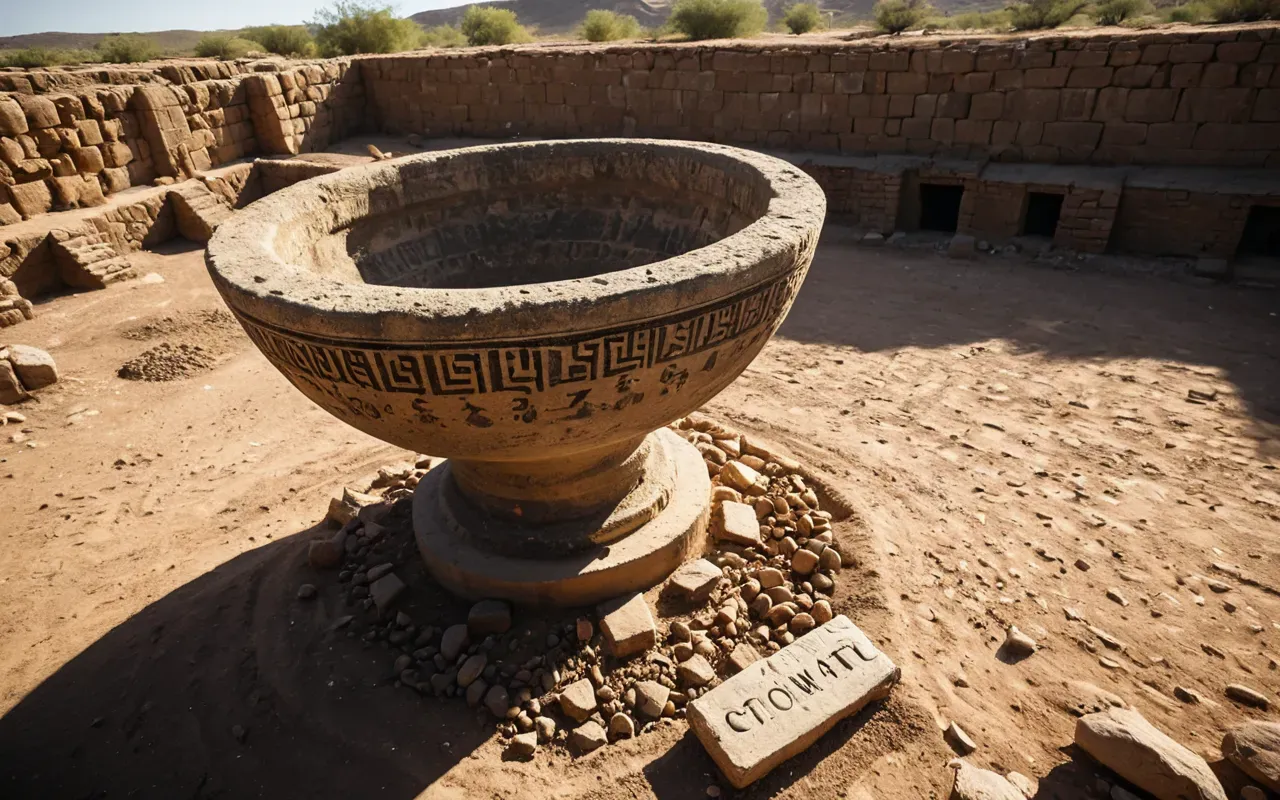
For a long time we assumed complex culture required agriculture. Karahan Tepe predates farming.
In researchers realized the site was older than farming itself. That flips the old logic — that we built cities because we needed to farm.
Instead, it hints at the reverse. People settled first, then developed agriculture to support the life they'd already chosen.
The Stone Mounds Culture Context
Karahan Tepe belongs to the Taş Tepeler, or Stone Hills, cultural complex. It sits just thirty-seven miles from the ancient city of Ur.
This region is a dense network of Neolithic sites. If you're interested in the ancient civilization that built before farming existed, this area is the epicenter.
The Exhibition That Is Rewriting The Script
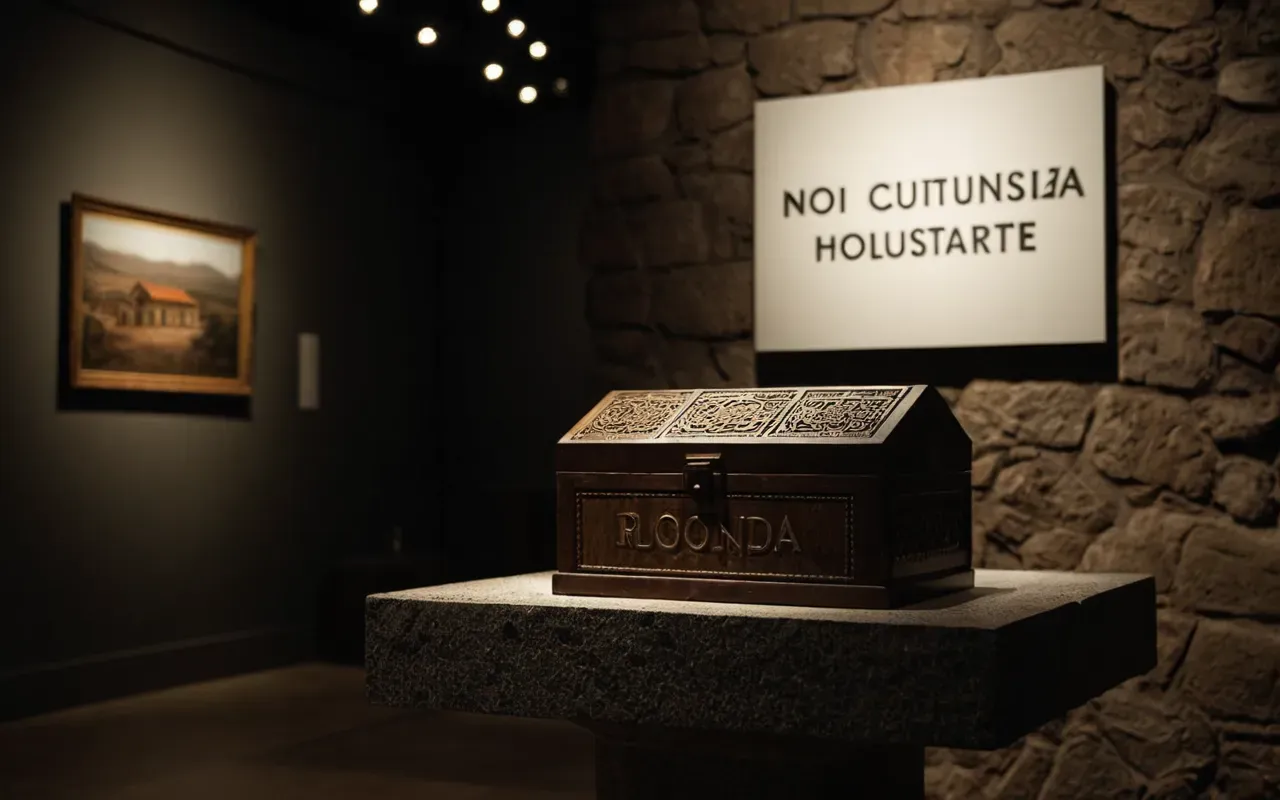
The figurines are on display in Ankara right now. The show is called The Golden Age of Archaeology.
It features over five hundred artifacts. Many have never been shown to the public before.
The exhibition also includes a repatriated statue of Marcus Aurelius. The bronze was seized from the Cleveland Museum of Art in .
Repatriation And The Return Of History
Since , Turkey has secured the return of more than thirteen thousand historical artifacts. That's a massive push to reclaim stolen heritage.
The Marcus Aurelius statue was looted from the ancient city of Bubon in the s. Now it's back where it belongs.
What This Means For Your Understanding Of Us
We are not just farmers. We are storytellers first.
These tiny stones prove the urge to make meaning through narrative is as old as our species. It predates writing by thousands of years.
If you want to see how this fits into the bigger picture of why the official history is missing important parts, these figurines are key pieces.
The Power Of Small Objects In Big History
We usually hunt for grand monuments to understand the past. But sometimes a small fox tells us more than a massive pillar.
These animals stand less than an inch and a half tall. Yet they carry the weight of our earliest cultural memory.
They remind us that human history isn't only about survival. It's about making sense of the world through story.
Why The Boar Painted In Red Still Matters Today
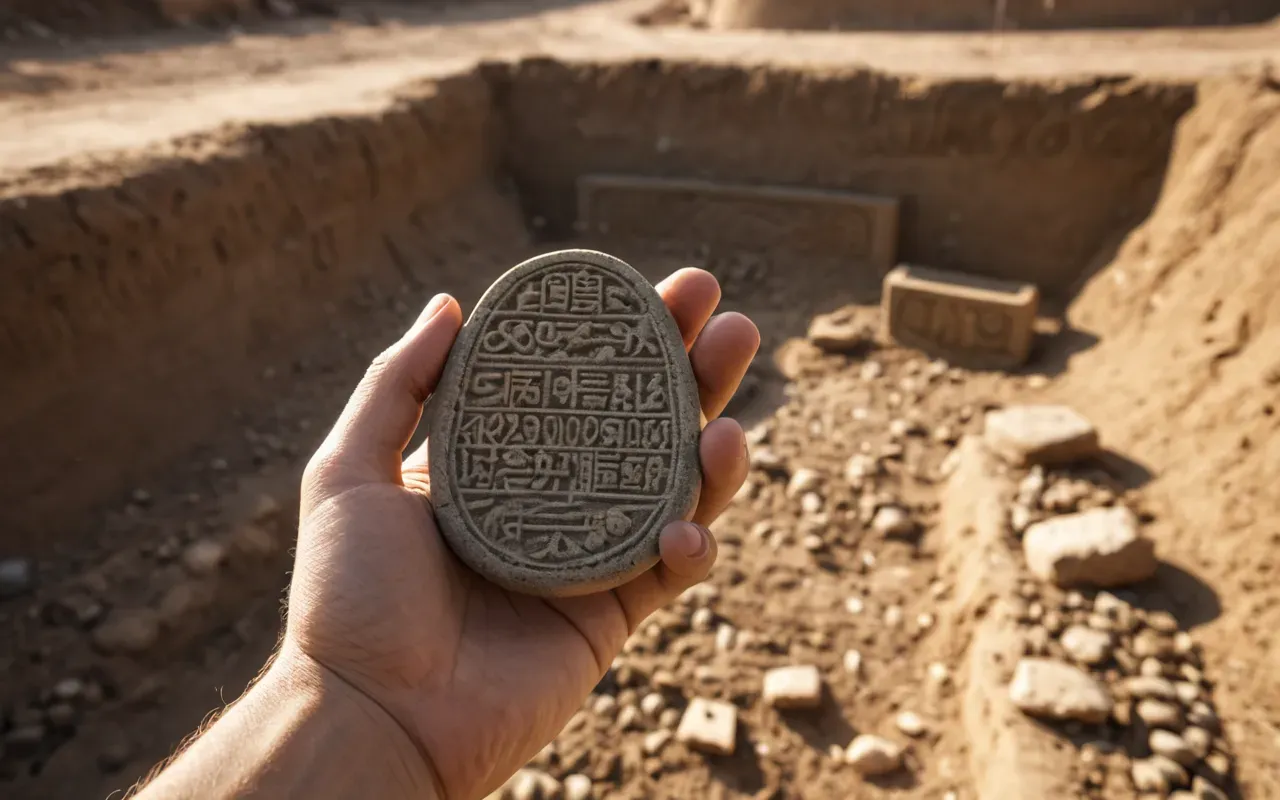
Karahan Tepe also yielded a painted boar. One of the earliest examples of colored prehistoric sculpture.
If you're curious about how a painted boar rewrote the rules of human history, this site is where that story starts.
The Bottom Line On These Ancient Stones
These figurines aren't just cool rocks. They are the first known narrative art.
They show we needed stories before we had books. They prove culture is older than agriculture.
And they remind us that the most important discoveries are often the smallest ones, hidden in a box.