Why the ancient hospital you keep seeing in photos is actually a church
The building everyone calls a hospital is actually a church
I have to admit: when I first heard about the excavation in Muğla Province, I figured it was another routine find. A few coins. A broken pot. Maybe a mosaic tile or two. Then the team led by Ufuk Çörtük scraped back the dirt and revealed something that stopped me cold. It was not a hospital. It was a church.
And here's the thing. The structure had served as a Roman hospital in the rd century. But that was only the opening chapter. By the th century it had been completely transformed into a Christian sanctuary. The shift was so total that most early reports mislabeled the whole complex.
You see, the medical tools found on site were real. Genuine Roman-era instruments. But they belonged to the first phase of the building's life. The second phase — the one that surprised everyone — was entirely religious. Which is exactly why the story is so confusing and so fascinating at once.
What the medical tools actually tell us about Roman care
Before the church, this was a place of healing. Çörtük noted a significant increase in medical instruments recovered this year. Scalpels, probes, and other surgical implements turned up in the lower levels of the structure. Not decorative pieces. Working tools, handled by physicians and surgeons.
The hospital served both military and civilian populations. That detail tends to get lost in the headlines. It wasn't just for soldiers. It was a public health center. In the nd and rd centuries, facilities like this were rare and highly organized. This one was no exception.
I find it striking how practical these tools were. No ornate handles. No gold plating. Just functional metal built for precision. It reminds me of modern surgical kits, stripped of everything unnecessary. The Romans understood that in a medical setting, efficiency beats aesthetics every time.
The later conversion into a church doesn't diminish the medical history. If anything, it highlights how adaptable ancient buildings were. One structure, two completely different purposes, three centuries apart. We rarely see that kind of flexibility in modern architecture.
The th century conversion that changed everything
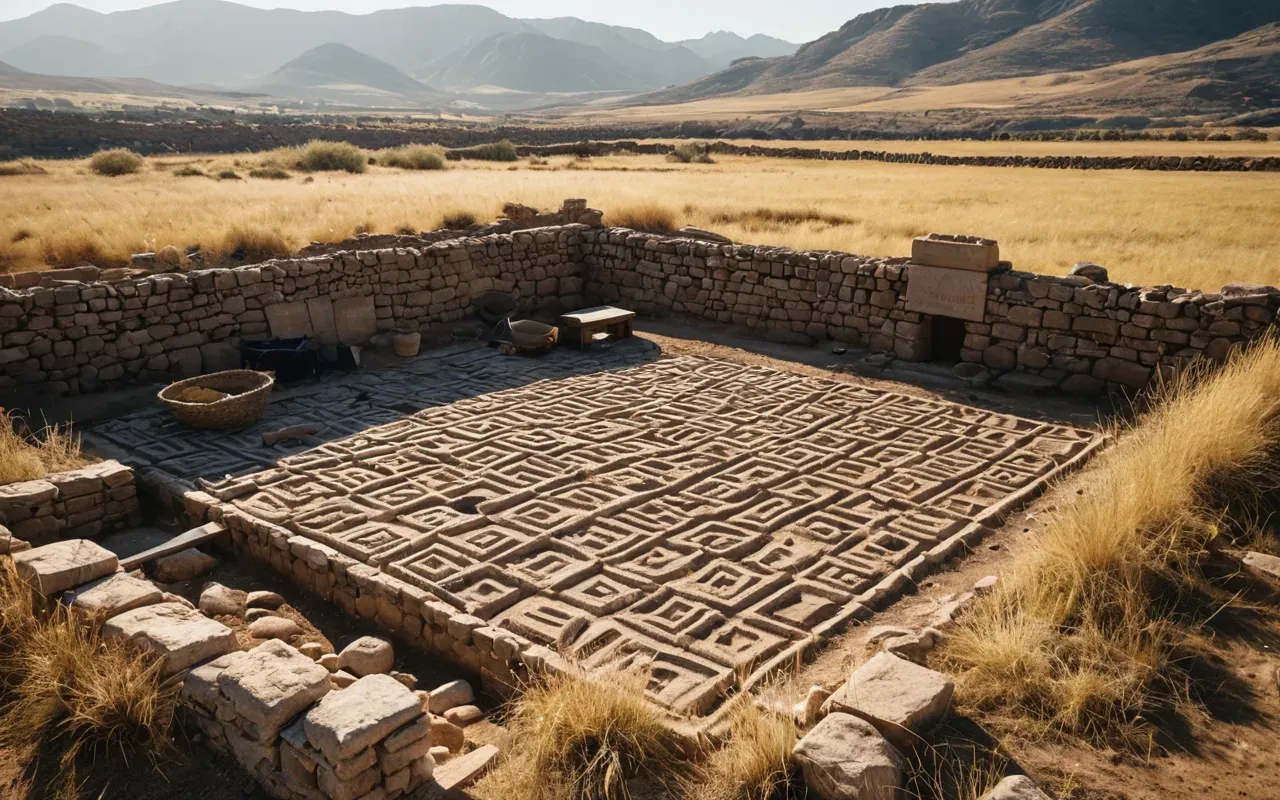
The transformation happened during the Christianization period. Çörtük described the church as “beautifully preserved” and “intact in every respect.” The upper terrace of the complex, partially buried for centuries, was fully uncovered this year. The result: a striking religious space with clear architectural features.
This is not a minor alteration. We're talking about a complete repurposing of the structure. The medical facilities were likely sealed off or built over. The focus shifted from healing the body to nurturing the soul. For the people of that era, that wasn't a contradiction. It was a progression.
I keep thinking about the patients who once walked these corridors. They came for treatment. They left, hopefully, cured. Then, three hundred years later, people walked the same paths for prayer. The physical space remained; the intent behind it had completely changed. A powerful reminder of how history layers itself.
The discovery also includes a coin from the Aydinid Principality, which ruled between the th and th centuries. So the site stayed in use long after the Christian era. A living place, not just a ruin. People continued to value it, to visit it, to find meaning in its stones.
Why this matters for how we understand ancient history
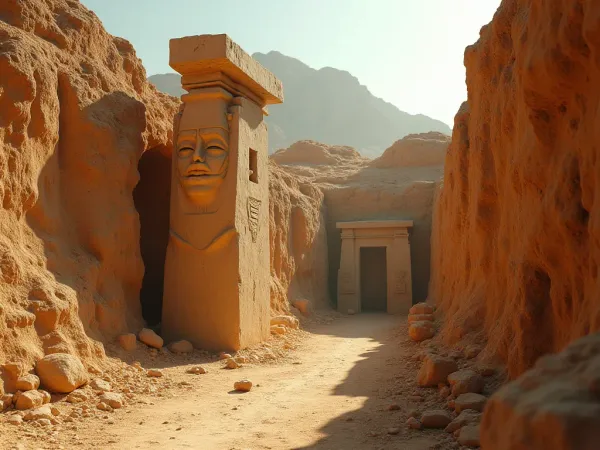
The Kaunos site is already on the UNESCO World Heritage Tentative List. It's known for its rock-cut tombs, mosaics, and a ,-seat theater. But this new find adds a dimension that was previously missing: a direct link between medical practice and religious devotion in the ancient world.
If you're interested in how ancient civilizations managed their daily lives, this is a perfect case study. The 1,600-year-old wine factory hiding in plain sight next to an ancient castle is another example of how unexpected functions hide within familiar structures. Both discoveries challenge us to look closer.
The broader context matters too. In recent months, archaeologists in the region have made a series of significant finds. In Troy, a gold brooch and a rare jade stone were unveiled. In Olympus, a fifth-century church with a warning message to nonbelievers was discovered. Each find adds a new piece to the puzzle.
I believe the Kaunos discovery is particularly important because it bridges two eras. It connects the Roman medical tradition with early Christian religious practice. That connection isn't just academic. It reflects a real, human transition. People moved from one belief system to another, and their spaces reflected that change.
The implications for tourism and local heritage
For visitors to Muğla Province, this find is a game changer. The site already attracts tourists for its visual appeal. Now it offers a deeper narrative. You can stand in the same place where Roman surgeons worked and where th-century worshippers prayed. That is a rare combination.
The local community benefits as well. Archaeological discoveries often boost regional pride and economic activity. More visitors mean more demand for guides, restaurants, and accommodations. It's a positive cycle that strengthens the local economy while preserving cultural heritage.
I have seen how archaeological sites transform small towns. They become destinations. They create jobs. They inspire education. The Kaunos site is poised to follow that path. The challenge now is to ensure that the story is told accurately and respectfully, honoring both the medical and religious aspects of the structure.
What we still do not know about the site
Despite the excitement, questions remain. How exactly did the conversion from hospital to church happen? Gradual process or sudden decision? Were the medical facilities dismantled or simply covered over? The team is still working to answer these questions.
There's also the question of who made the decision to convert the building. A local bishop? A Roman official? A community leader? The coin from the Aydinid Principality suggests later use, but the initial conversion remains a mystery. More excavation is needed to piece together the full timeline.
I'm hopeful that future seasons will reveal more. Archaeology is a slow science. It requires patience and precision. But every new season brings new insights. The Kaunos site is a living discovery, and its story is far from over. That's what makes it so compelling.
The bigger picture of ancient medical and religious spaces
The Kaunos find is not an isolated case. Across the ancient world, buildings often served multiple purposes. Temples became schools. Workshops became homes. The line between secular and sacred was not always clear. This flexibility allowed communities to adapt to changing needs and beliefs.
For those interested in how ancient people organized their lives, this is a valuable resource. The 3 buried rooms that finally break the ancient civilization timeline offer a similar insight into how our understanding of the past can shift with new evidence. Both discoveries remind us that history is never static.
I find it fascinating how these spaces reflect the values of their time. In the Roman era, health was a practical concern. In the Christian era, salvation was the priority. The building adapted to reflect those priorities. A powerful testament to the human ability to repurpose and reimagine.
The past isn't a fixed point. Kaunos makes that plain. It's a dynamic, evolving story — every new discovery adds a chapter, and every chapter pushes us to rethink what we thought we knew. That's the beauty of archaeology. It's also why I find it so endlessly engaging.