Why archaeologists are letting tourists walk on top of active digs
The Zero Point of History Is Getting Louder
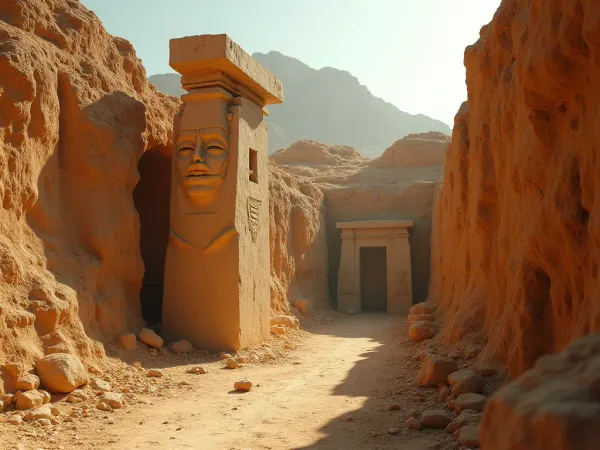
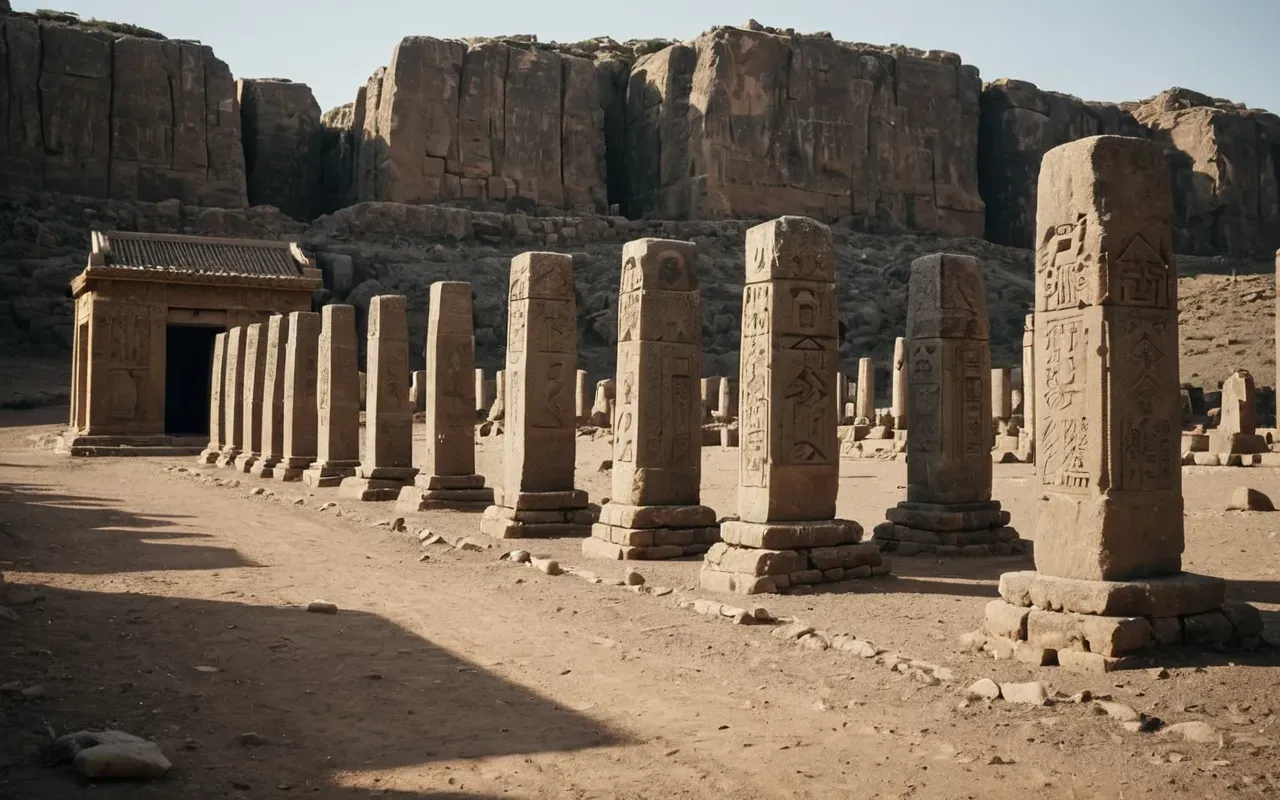
Walking through this place, you'd swear the trees turned to stone. They rise three to six meters high, each one tipping the scales at sixty tons. And no, you're not in a quarry.
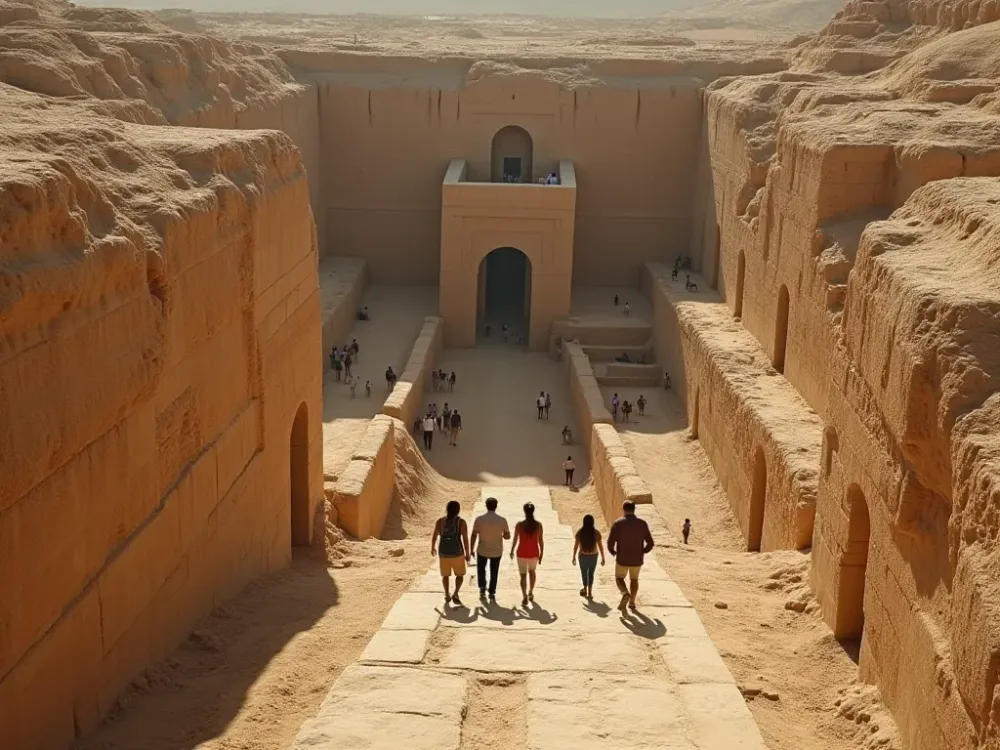
You're at Göbeklitepe. For years, visitors only saw a single area tucked under that white roof. That's about to change. A brand-new section is opening to the public while the dig continues right alongside.
Most headlines lean on the facts and figures. The UNESCO designation back in 2018. The site's location eighteen kilometers from Şanlıurfa's city center. All true, all safe.
But honestly? The real story hides in one quiet sentence from Professor Necmi Karul. He said excavations and visits will happen at the same time.
That's radical. Think about it — the site stops being a museum behind glass. It becomes a living laboratory. History is still being written under your feet.
The Wooden Platform That Changes Everything
So let's talk mechanics. How do you let thousands of people wander across fragile Neolithic floors without wrecking them?
The team's answer is a wooden platform in the GT2 area. It gets you close enough to study the pillars, without ever touching them.
Bold engineering choice, honestly. The soil stays compacted below while the weight spreads out above.
I've watched similar setups on modern construction sites. They hold up fine when someone's paying attention.
But the stakes here? Completely different. We're not dealing with concrete or steel.
We're dealing with bones and tools that haven't moved in twelve thousand years.
Why The Temple Label Is Hiding Something Bigger
Every guide calls Göbeklitepe a temple. You'll hear that word a hundred times before lunch.
But "temple" carries baggage. It whispers about priests and rituals and a kind of worship we can't prove existed back then.
If you've followed this blog, you already know the argument that the temple label is actually a modern marketing lie that archaeologists are rethinking.
This new opening pushes us to look harder. Were these places for gathering? For feasting? For watching the stars?
Maybe those T-shaped pillars aren't gods at all. Maybe they're ancestors.
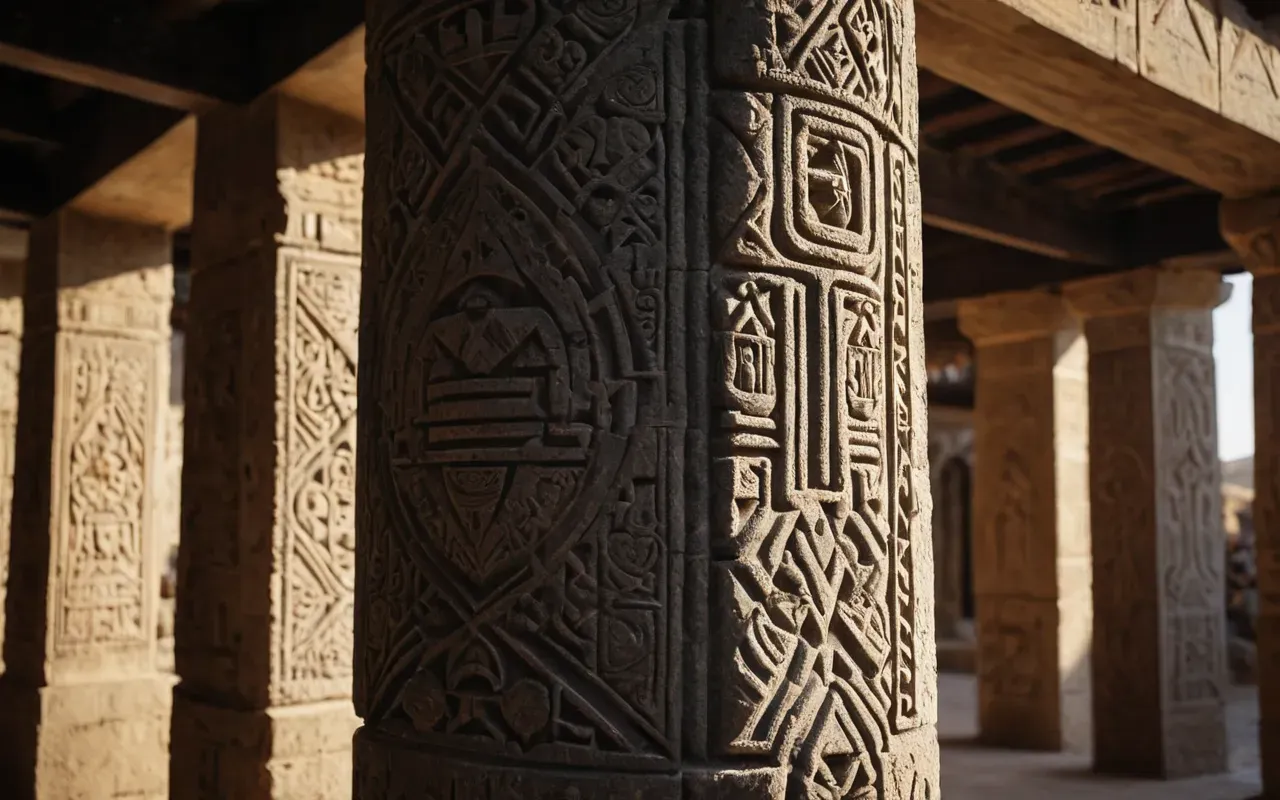
Who Actually Wins When Tourists Walk On Digs?
Let's be real for a second. There's a tension here.
The Ministry of Culture and Tourism wants crowds. They want revenue, they want recognition.
The archaeologists need silence and slow, careful hands. They need time.
Opening GT2 now is a gamble that the public will become protectors, not threats.
It's risky. But I think it just might work.
The Visitor Experience Upgrade
The walking paths have been redone. New routes now wind around existing structures.
So you'll see more than that one famous circle. You'll see the whole context.
You might even watch a brush sweep dirt aside, right in front of your eyes.
The Data We Are Still Missing
Professor Karul made a point of saying excavation continues in the new area.
That matters. Because we don't know everything about Göbeklitepe. Not even close.
In fact, the history you were told is missing the most important part according to recent analysis.
We know the stones were placed. The why? That's still open.
Was it about status? Astronomy?
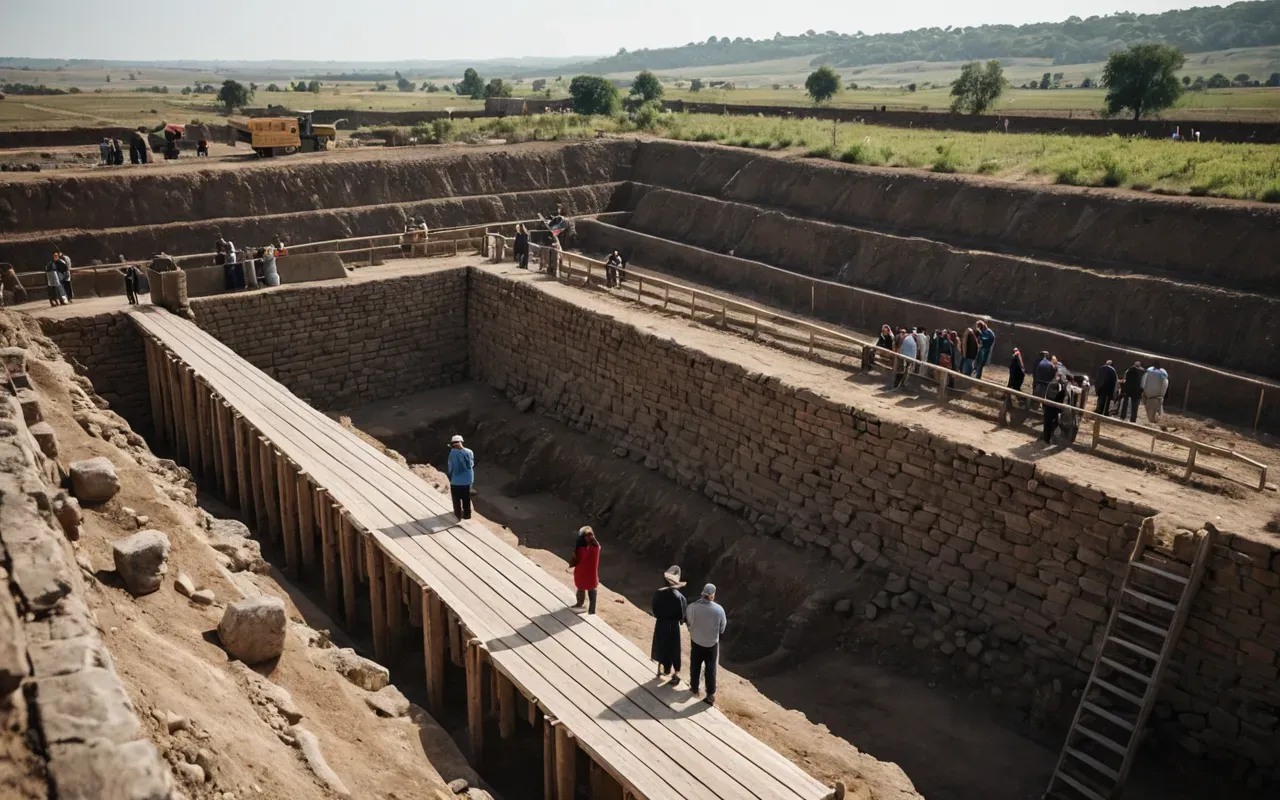
What This Means For Your Visit In Late 2026
If you're heading to Şanlıurfa soon, this changes your plans.
The GT2 area should open about a month after the October announcement.
So we're looking at November, December. Cooler weather, thinner crowds.
Honestly, that might be the perfect window.
The Bigger Picture For Human History
Göbeklitepe messes with the old narrative. The one that says farming came first.
Then cities. Then complexity.
But these stones suggest we gathered first — built something monumental to pull people together.
That flips everything. It means social bonds came before economic necessity.
And if that's true, the new excavation area might hold clues to those first social experiments.
This isn't just about looking at old rocks. It's about understanding ourselves.
The Celestial Connection Theory
Some researchers think the pillars lined up with the stars.
That theory gained real momentum after the T-shaped pillars were identified as precision instruments for tracking celestial movements in recent studies.
If it holds, the new area might expose even more of those alignments.