The Rituals Performed at Göbekletepe: Feasting, Hunting, or Worship?
The Rituals Performed at Göbekletepe: Feasting, Hunting, or Worship?
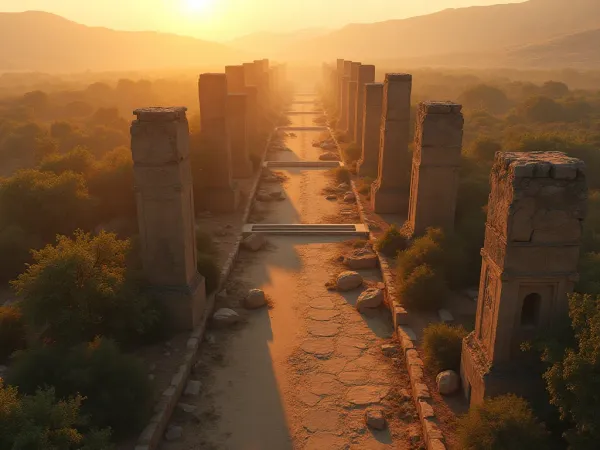
Turn on any major streaming service today, and odds are you'll stumble across a glossy documentary about Göbeklitepe. The narrator's voice drops low, full of gravitas, as they call it the world's first temple. Religion, they claim, sparked civilization before farming ever entered the picture. It's a compelling story. Honestly, it feels revolutionary. But here's the thing — I think we've been handed a simplified narrative that conveniently ignores half the evidence sitting right there in the dirt.
The 'History Channel' version of events — broadly speaking across all major networks and digital platforms — leans heavily on interpretations from the early 2000s. Back then, Klaus Schmidt led the excavations. He was a brilliant scholar, no question. But his theories about hunter-gatherers building massive monuments purely for religious reasons? Those were hypotheses based on limited data at the time. Today, we have far more information, and it complicates the picture.
Look at what's changed since. New projects have opened at nearby sites like Karahan Tepe and Nevalı Çori. These places tell a different story entirely. They suggest daily life was deeply intertwined with ritual space — not neatly separated into some 'shamanic cult' category. The media loves a clean headline. 'Religion Before Farming' sells tickets. But reality is messier. It involves social complexity, resource management, and community bonding on a scale we're only beginning to understand.
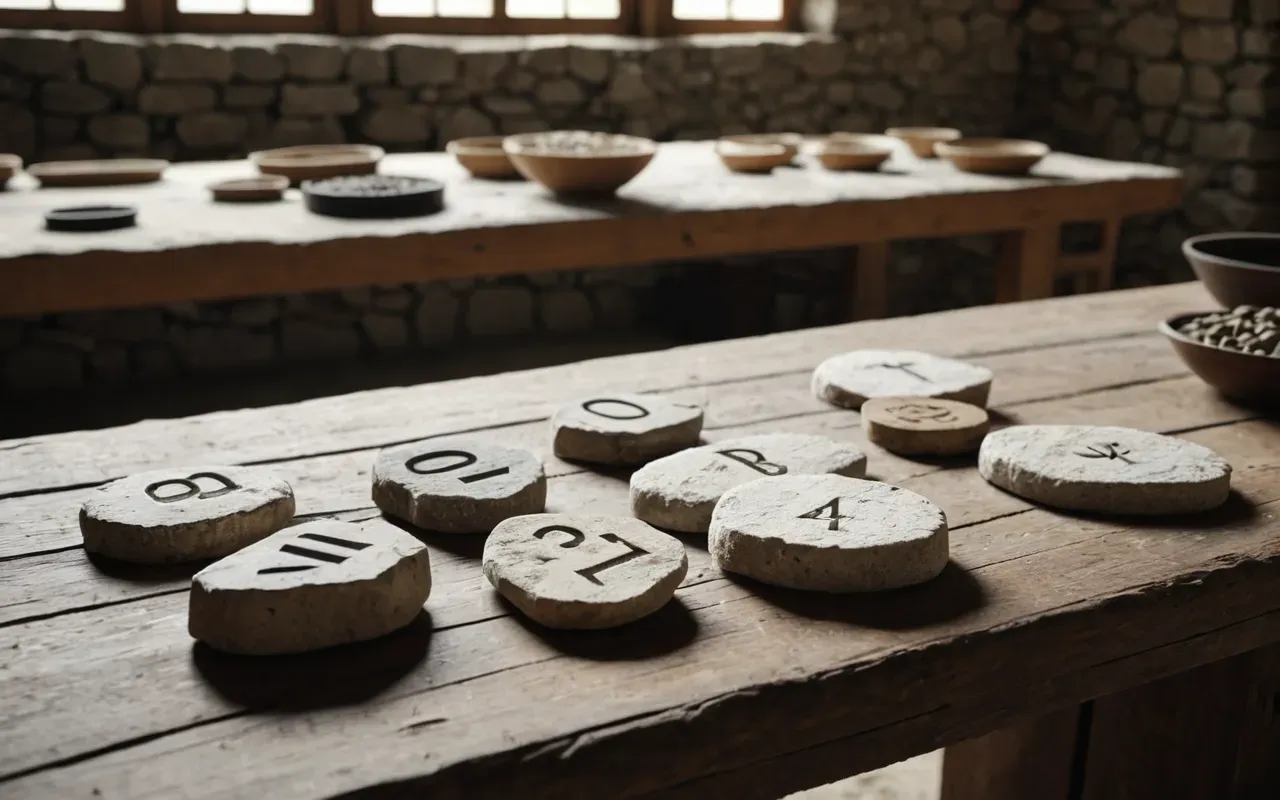
What The New Excavations At Karahan Tepe Actually Reveal About Daily Life
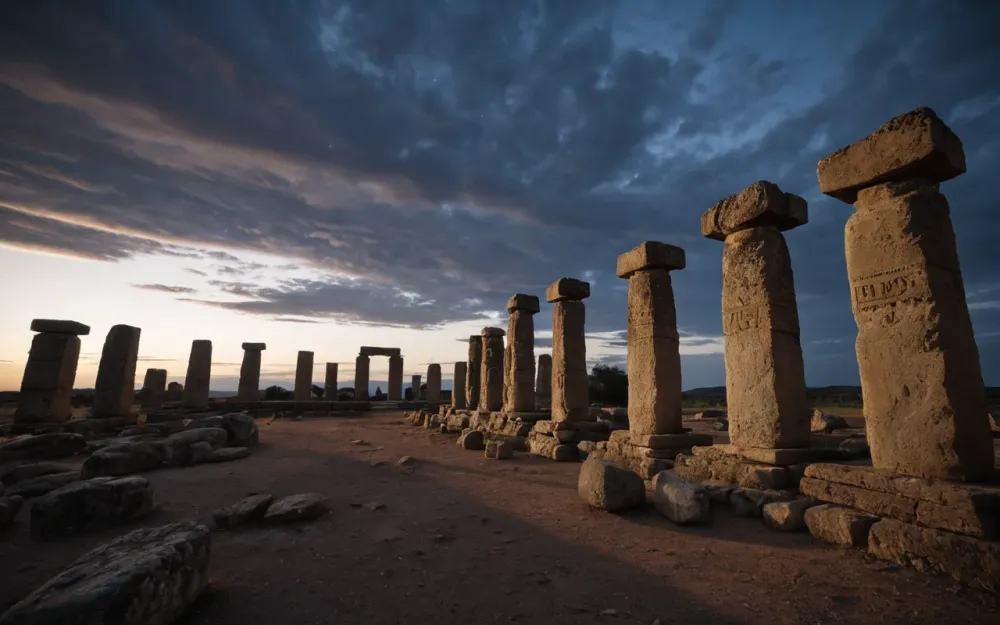
Karahan Tepe sits just a few kilometers from Göbeklitepe. It's been under excavation for nearly two decades now, and the findings there are shifting the narrative significantly. Yet those documentaries rarely mention it. They zoom in on the T-shaped pillars at Göbeklitepe because they look dramatic on camera. Karahan Tepe, though, lacks those giant central pillars entirely.
Instead, it has round buildings with benches built into the walls. Picture communal dining halls or meeting spaces. Excavators have unearthed thousands of animal bones there — not just from feasts, but from everyday meals. That suggests people lived near these sites for extended periods, far longer than previously thought. They weren't nomads drifting in once a year for a wild religious rite. They were residents.
I visited the region last summer. The landscape is rugged and dry today, though in ten thousand BC it was greener. Still harsh, though. Building those structures required immense coordination. You need to move tons of stone without metal tools. You need food supplies for workers who haven't started farming yet. That implies a complex social structure existed before agriculture fully took hold.
The Social Engineering Behind The Stones Is Often Overlooked By Media Outlets
The 'History Channel' narrative frames these builders as mystical shamans dancing under the stars. Romantic, sure. But it completely ignores the engineering challenge. Moving those T-shaped pillars demanded planning months in advance. You need organized labor teams. You need to transport food from distant sources.
Recent soil studies show evidence of early plant processing — wild grains being gathered and stored in large quantities near these sites. This is a crucial point mainstream coverage often misses. It bridges the gap between hunting-gathering and farming gradually. It wasn't an overnight switch flipped by spiritual inspiration.
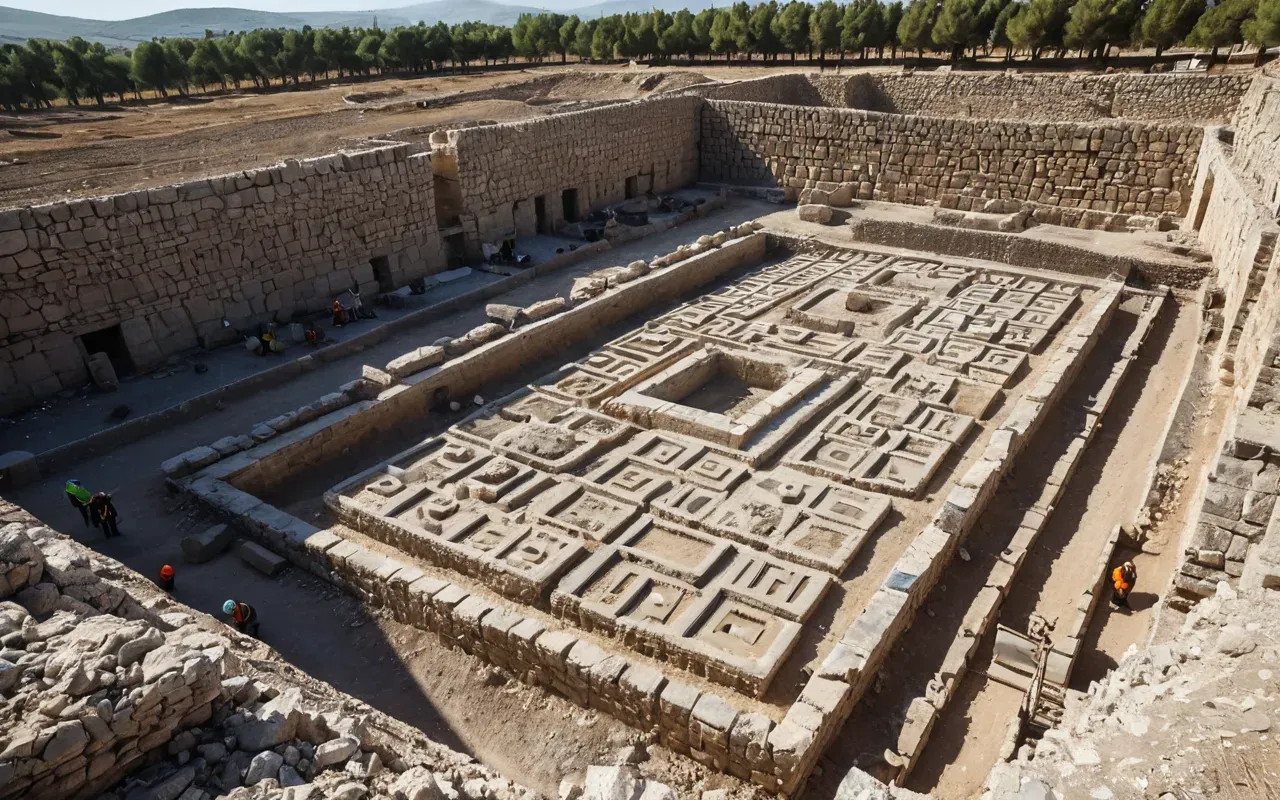
Why Labor Organization Matters More Than Religious Zeal In Understanding These Sites
Think about it. If religion alone drove construction, why did such sites vanish so quickly? The Neolithic period saw a rapid shift toward settled farming villages like Çatalhöyük later on. Those places look completely different from Göbeklitepe. They lack the monumental stone circles altogether.
That suggests Göbeklitepe belonged to a specific cultural phase — a unique moment in human history where large groups coordinated for non-domestic purposes. Perhaps it served as a seasonal gathering place for exchange and marriage alliances between different hunter-gatherer bands.
How Digital Narratives Simplify Complex Archaeological Debates For Easier Consumption
Documentaries need to tell a story. Stories need clear heroes and villains, or at least strong themes. The 'Religion Before Farming' angle is perfect for television. It challenges our modern secular assumptions directly. It makes ancient people seem more spiritual than us.
But this framing creates problems. It implies farming emerged later as a way to feed priests or temple workers. Recent botanical evidence doesn't fully support that direct causal link in every case.
In some regions of the Fertile Crescent, farming developed independently without any monumental architecture at all. People started growing wheat and barley long after Göbeklitepe was deliberately buried around nine thousand BC.

The Danger Of Presentism When Interpreting Ten Thousand Year Old Evidence Today
We tend to project modern categories onto the past. We see a circle of stones and think 'church' or 'temple'. But those concepts didn't exist then in any recognizable form.
Anthropologists studying modern hunter-gatherers show that ritual and daily life are deeply mixed. There's no strict separation between sacred and profane space like we have today.
So when a history channel program calls Göbeklitepe the world's first temple, it's using anachronistic language. It helps viewers grasp unfamiliar concepts, sure, but ultimately it distorts reality.
Visual Spectacle Versus Academic Accuracy In Modern Prehistory Programming Today
Networks invest millions in CGI reconstructions. Dramatic reenactments with costumed actors performing rituals under moonlight. It looks stunning on screen, I'll give them that.
But those scenes are pure speculation regarding clothing styles, dance movements, or specific ceremonies. No one actually knows what those people wore or did during gatherings.
I wish producers spent less budget on special effects and more time interviewing current field archaeologists working at neighboring sites like Karahan Tepe or Çayönü Tepesi.
The Intentional Burial Mystery That Mainstream Coverage Rarely Explains Properly Ever
Here's one fact that blows my mind every time. Around nine thousand BC, the builders of Göbeklitepe deliberately buried their own structures. They filled those massive circular enclosures with tons of rubble and earth.
Why would anyone do that? Temples usually get expanded or renovated over centuries. Stonehenge kept standing for millennia. Yet Göbeklitepe was intentionally put to rest.
Most documentaries gloss over this entirely. They focus only on the construction phase because it's visually exciting.
Some scholars suggest this burial marked the end of that particular cultural practice. As societies shifted toward settled agriculture, the need for large seasonal gathering places diminished.
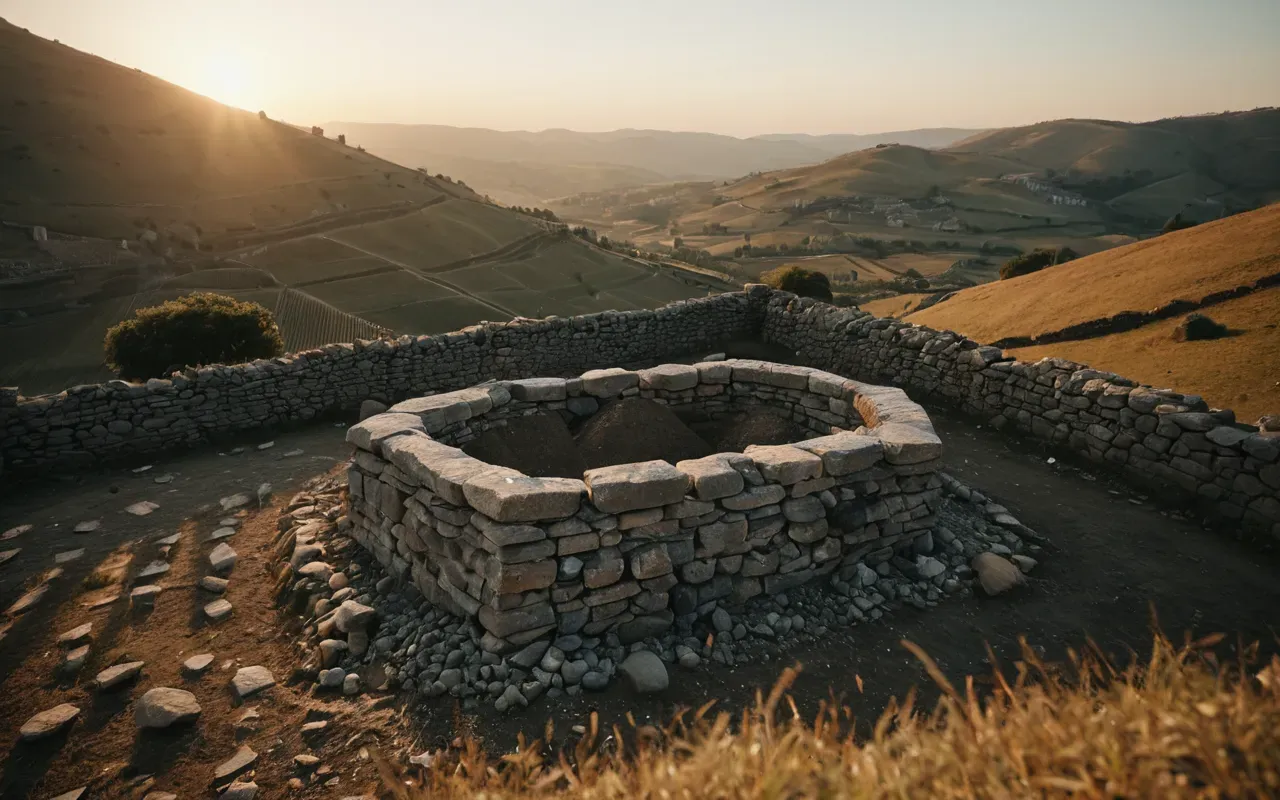
New Research Suggests Local Communities Managed Resources Long Before Farming Arrived Here
Excavations at nearby Nevalı Çori revealed houses alongside ritual buildings. That indicates mixed-use spaces rather than separate sacred precincts far from living areas.
People processed food, cooked meals, and lived near these ceremonial centers daily. It challenges the idea that pilgrims traveled long distances specifically for religious events.
This nuance gets lost when broadcasters summarize everything into a single soundbite about ancient spirituality driving innovation.
Understanding How Social Networks Facilitated Monument Building Without Centralized States Then
Without kings or empires, how did they organize labor? Recent isotopic analysis of human remains shows individuals coming from various regions surrounding the site.
That points to a decentralized network of communities cooperating voluntarily — perhaps for trade, marriage, or mutual defense.
Such models are harder to dramatize on television compared to visions of powerful shamanic leaders commanding followers.
Why We Need Better Media Representation Of Neolithic Archaeological Discoveries Now More Than Ever Before
I care about this because accurate history matters. When we get the past wrong, our understanding of human potential becomes skewed too.
If we believe only religious fervor can drive monumental effort, we ignore other forms of social motivation like economic cooperation or political alliance building.
Göbeklitepe proves humans could achieve incredible things collectively without hierarchical oppression. That's a powerful lesson for modern society.
But that message gets buried under sensationalist claims about alien influence or mystical powers — the kind of tabloid versions you sometimes see in these stories.
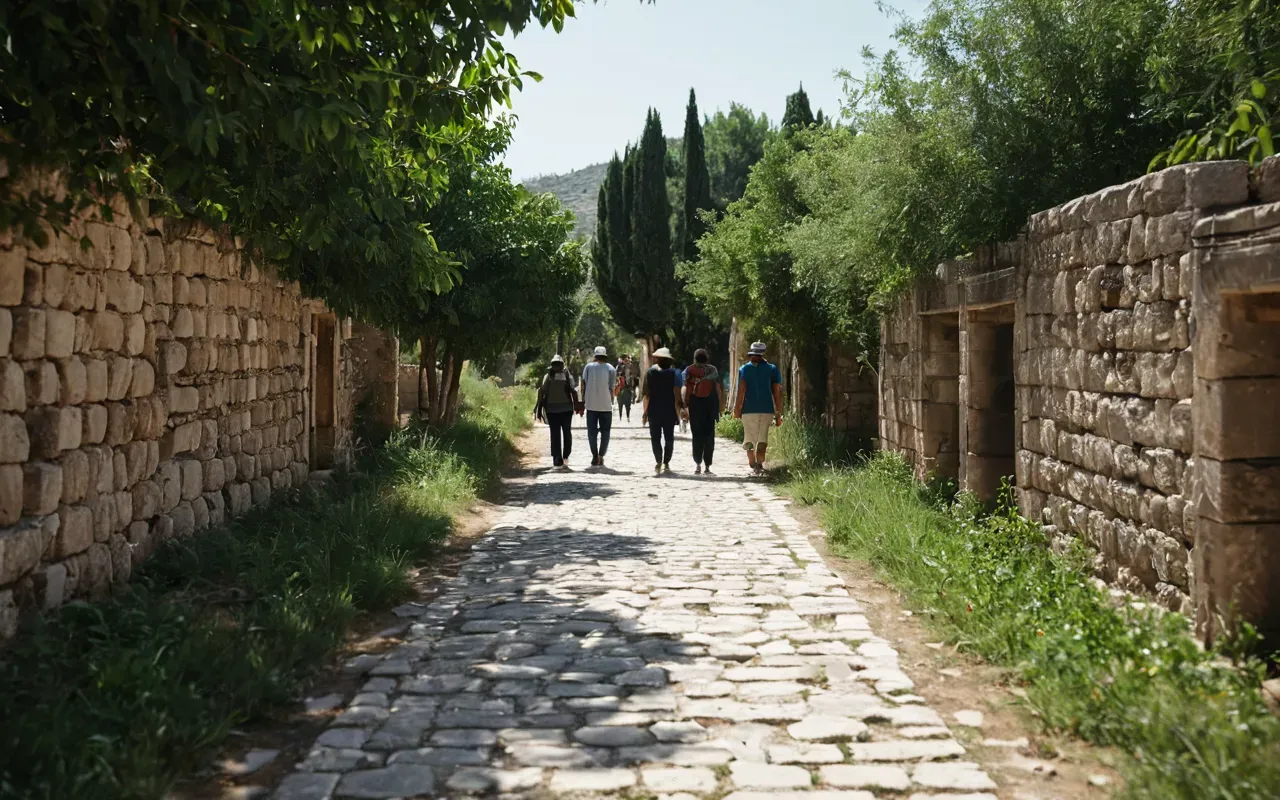
Current Conservation Efforts Face Challenges From Rising Tourism Numbers Annually Now
Visitors flock to see the T-shaped pillars today. The site has become a major attraction in southeastern Turkey.
Protecting these fragile ancient stones requires strict management plans. Too many footsteps can cause erosion around foundation areas.
Educational programs must accompany physical access controls to ensure visitors understand what they are seeing beyond just pretty pictures.
Supporting Independent Research Funding Helps Maintain Scientific Integrity Long Term Here
Many documentaries rely on grants tied to ratings performance. This creates pressure toward sensational content rather than nuanced reporting.
Independent academic institutions should receive more support for publishing detailed reports accessible to general audiences without compromising rigor.
Only then can we hope to move past the simplistic 'first temple' label toward richer interpretations reflecting true complexity of early societies.
Frequently Asked Questions About Gobeklitepe History Channel Coverage Accuracy Issues Today
Why do documentaries claim religion caused farming at Göbeklitepe? This theory originated from early excavator interpretations suggesting monumental building required surplus food which implies agriculture started afterward. However recent findings show wild grain processing predates full domestication making this timeline less certain.
Is Göbeklitepe really the world's oldest temple? Calling it a temple imposes modern religious concepts onto prehistoric structures whose exact purpose remains debated among scholars. Some argue they served multifunctional roles including feasting trading and community gatherings rather than purely worship activities.
How accurate are CGI reconstructions shown in TV programs? Visualizations often guess at details like roof types clothing styles or ritual practices based on limited evidence leading to potentially misleading representations of actual Neolithic life conditions.
What new discoveries challenge traditional narratives recently? Excavations at Karahan Tepe reveal residential structures mixed with ceremonial spaces indicating daily life integration contrary to isolated sacred precinct theories previously promoted widely.
Who actually built these massive stone circles? Evidence suggests cooperative networks among local hunter-gatherer groups organized labor voluntarily without centralized authority figures like kings or priests directing construction projects.
For the full overview, see Göbeklitepe cultural context.
Related in this series: age of Gobeklitepe temple complex, Göbelitepe builders identity.