The 12,000-year-old workshop that erased every assumption we had about Göbeklitepe
The stone that should not have been there yet
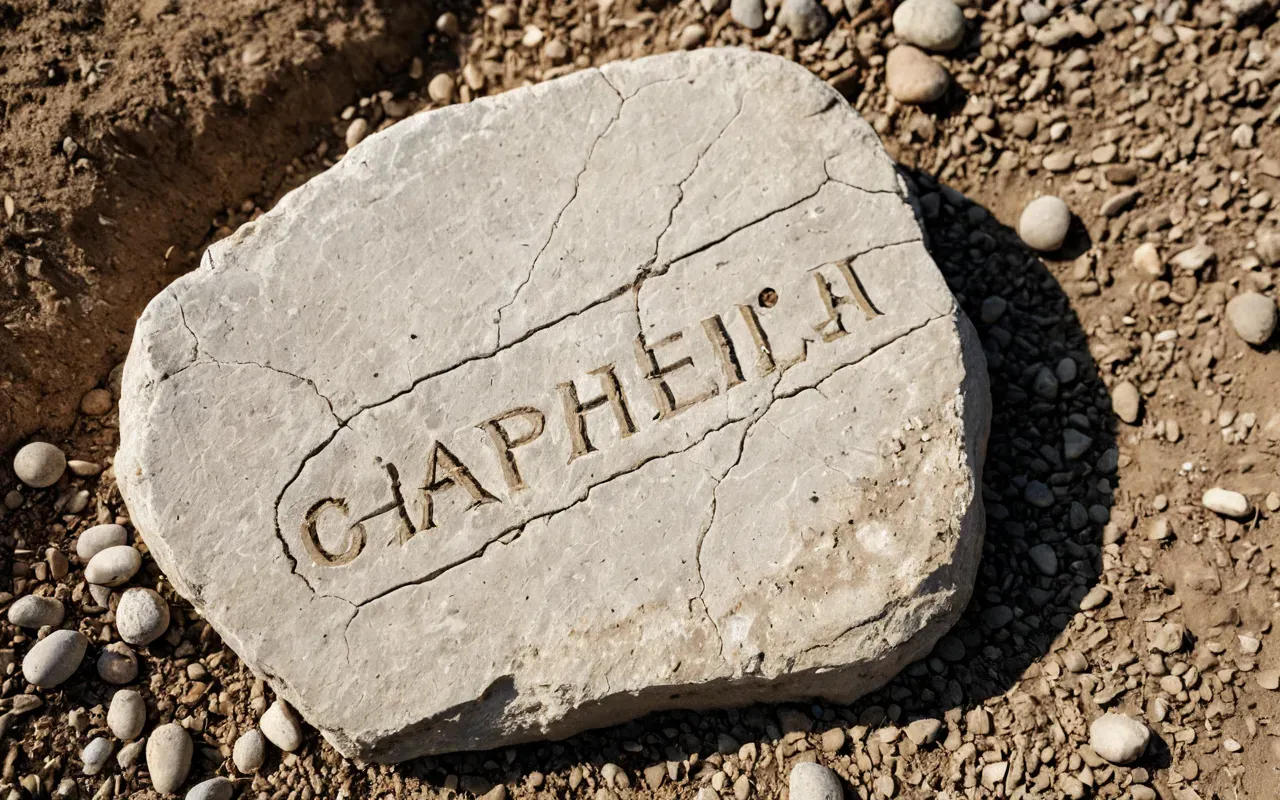
I still remember the first time I stood in that open-air excavation trench. The light hit a flat slab of limestone and stopped dead at its edge.
Chisel marks on one side. A half-carved fox on the other. It looked almost like someone paused mid-sentence.
But here is the thing. That slab was found beneath a layer dated to roughly , BCE.
If you have ever read the story of how these structures were built, that date will feel wrong. And honestly, I felt it too.
Why a workshop changes the whole argument about timing and labor
Most popular accounts treat this place as a finished monument that appeared after farming spread. The new find flips that order.
A workshop implies planning. It implies material choice and tool use before the final placement of large stones.
That is a very different kind of social organization than the scattered camp model we used to assume.
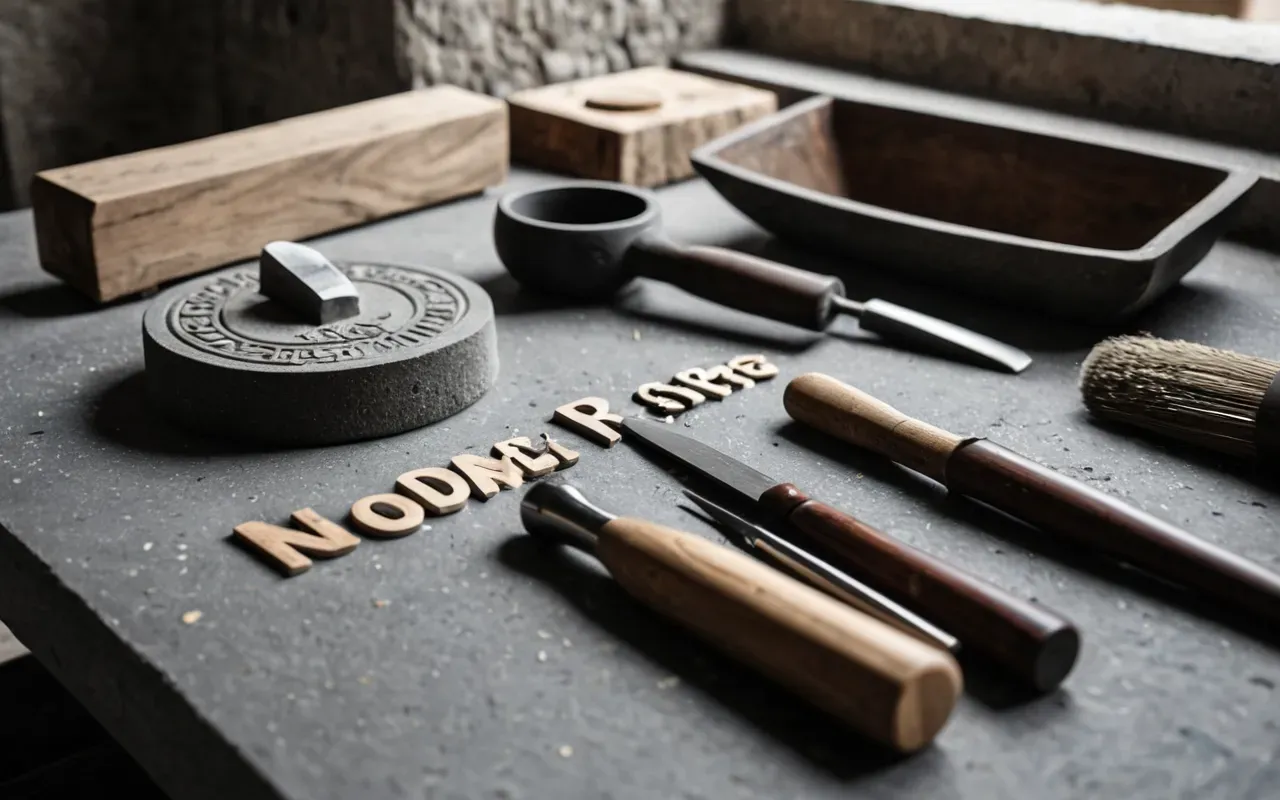
Look at the tool fragments. They are not random debris; they cluster near a grinding surface.
So the site was not just a place where people gathered to look at pillars. It was also a place where they made them.
The myth that a workshop quietly breaks and why it matters to you
You have probably heard the phrase "oldest temple." It is catchy and it sells tours. But it also hides a bigger question.
The assumption is that religion came first and then society organized around it. The workshop pushes back on that neat sequence.
If people were shaping stone in a specific spot for generations, the social glue was likely practical and economic as well as symbolic.
That does not erase belief. It just makes the story more human and less like a single grand idea suddenly appearing.
What the dating really says about human life before written records
Radiocarbon dates on the workshop layer sit between two other layers that have been tested multiple times.
That repeated testing is important because it reduces the chance of contamination or misplacement.
And yet I hesitate to say it "proves" anything. In fieldwork, we learn that context can shift and interpretations must stay flexible.
Still, the pattern is strong enough that it should change how textbooks describe this period.
A local secret that most visitors miss and what it reveals about daily life
Most people photograph the tall pillars and leave. The workshop area is quieter and tucked behind a low stone wall.
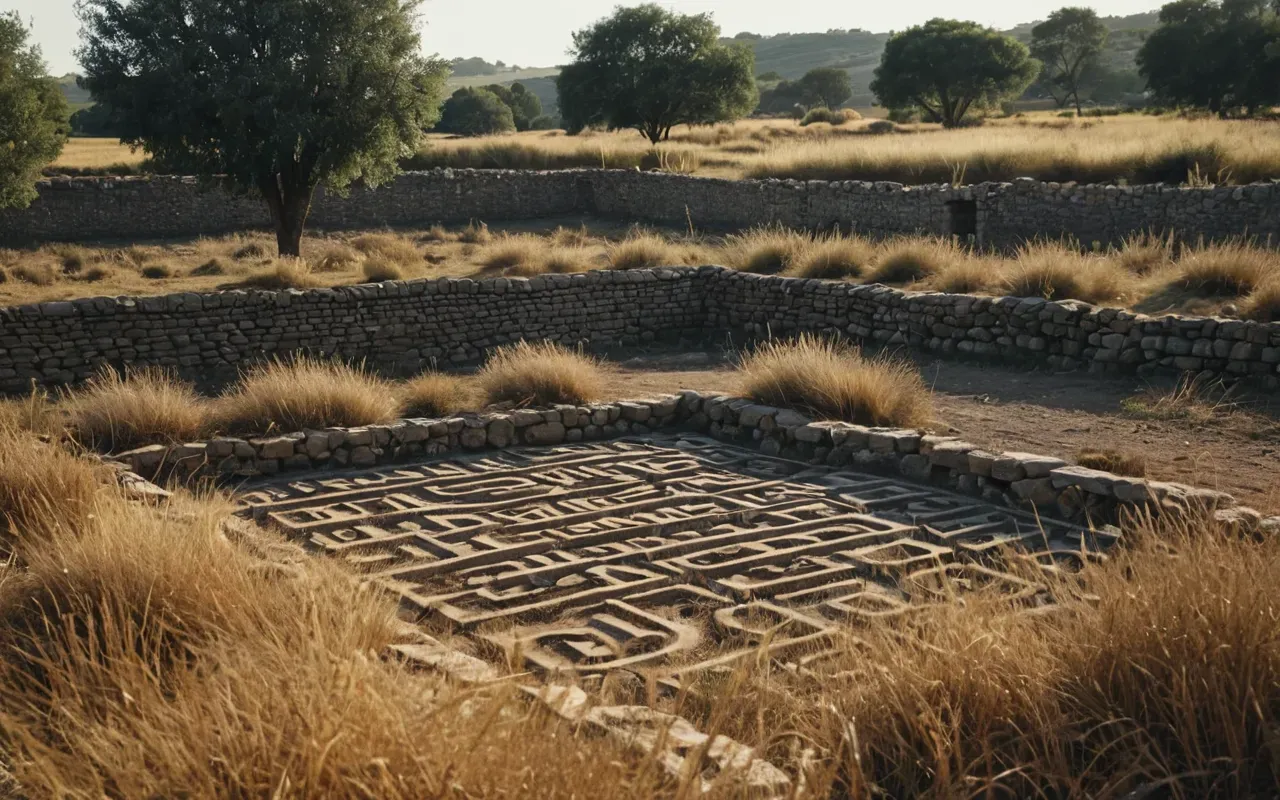
If you look at the floor surface near a broken basin, you can see small pits where tools were set down.
Those details are easy to miss in a crowd but they tell you where people stood and what they repeated every day.
It is a small thing. A mark in the dirt. But it connects to how the forgotten workers behind this site shaped what we call history.
How a workshop reshapes what we think about belief and community
The common story is that rituals created the need for large structures. The workshop suggests a slower mix of craft and meaning.
People who learned to shape stone likely passed skills down through families or small groups.
That kind of knowledge transfer is a form of culture even if no one wrote it down.
And that is why the workshop matters beyond dating. It shows how identity formed in practice.
Why the debate is still open and what to watch for next season
I do not want this read like a settled fact. There are still gaps and competing readings.
Some researchers argue the workshop layer was disturbed by later activity. Others see it as a primary construction space.
The next excavation season will test those ideas by sampling more spots and mapping micro-deposits.
If the pattern holds, it will be one of those moments where a single find shifts an entire field.
That is the kind of discovery that changes how people think about the oldest gaps in our timeline.

Frequently Asked Questions
What is the most important new discovery at Göbeklitepe?
The most important recent find is a stone-working area with tools and unfinished carvings. It suggests large structures were shaped on site before placement. This changes how we view labor, timing, and social organization in this early period.
How old is the workshop layer compared to other finds?
The workshop layer dates to roughly , BCE based on repeated radiocarbon tests. That places it earlier than many finished structures and implies planning happened before final construction. This sequence is central to the new interpretation of this site.
Why does a workshop change the story about belief and society?
A workshop shows repeated practical activity by groups over time. It points to skill transmission and shared labor that likely supported both daily life and symbolic practice. This blends belief with everyday organization rather than separating them.