Ancient flood myths are likely just memories of your history teacher skipping the first ten thousand years
The story you learned in school is missing the oldest chapter of human memory. It isn't a mistake; it is a gap that changes everything we know about how societies survive catastrophe.
We usually think of flood myths as fairy tales. Noah's Ark feels like a bedtime story to most people today. But look closer at the geology and you see something different.
The water in these stories is not imaginary. It is a record of real, devastating events that shaped where we live today. And the evidence for this is hidden in plain sight.
Why the Black Sea theory doesn't hold up to modern scrutiny. The popular idea that a single global event inspired all flood stories is actually quite weak.
William Ryan and Walter Pitman popularized the Black Sea deluge in the s. They argued that Mediterranean water breached the Bosporus around BC.
This dramatic narrative fits neatly with the Noah story. But recent research challenges this view significantly.
New data suggests the water exchange was gradual, not sudden. The shoreline shifted over centuries, which makes a single catastrophic event unlikely.
The real culprit is post-Ice Age sea-level rise. This slow but relentless process transformed coastlines and erased entire communities.
As the last Ice Age ended, melting ice caused global sea levels to rise dramatically. This wasn't a single wave but a long-term inundation.
For coastal communities, this meant their homes disappeared underwater. It was a world-ending event for them, even if it didn't cover the planet.
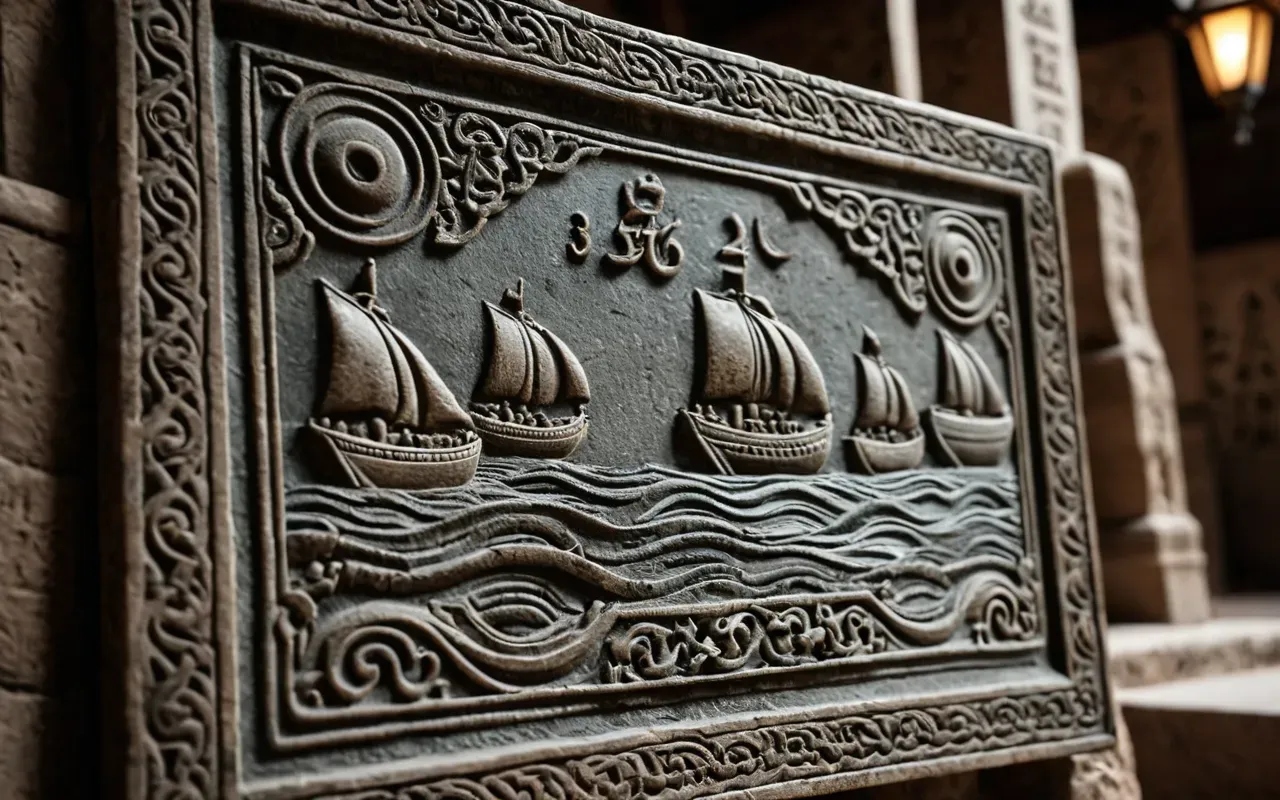
Oral traditions are far more durable than we once believed. Scientists used to dismiss them as unreliable.
But studies of Indigenous groups in Australia show something remarkable. Some stories describe coastlines that existed before sea-level rise.
This suggests oral history can preserve environmental data for hundreds of generations. It is a form of memory that outlasts written records.
The connection to Göbeklitepe is the missing piece. This site predates writing by thousands of years.
If you think the [oldest chapter of human memory](https://gobeklitepelife.com/your-ancient-civilizations-map-is-missing-the-oldest-chapter) is missing from your maps, look at Göbeklitepe. It reshapes how we understand early societies.
The structures there were built by people who faced similar environmental challenges. They adapted, they remembered, and they recorded it in stone.
Why this changes how we view civilization. It wasn't just about agriculture; it was about survival against a changing climate.
We often blame rivers for creating civilization. But that's a oversimplification.
Rivers provided water and soil, yes. But they also brought floods that threatened to wipe everything out.
The [history of how rivers shaped civilization](https://gobeklitepelife.com/your-history-teacher-lied-to-you-about-rivers-civilization) is more complex than we taught in school. It's a story of resilience, not just convenience.
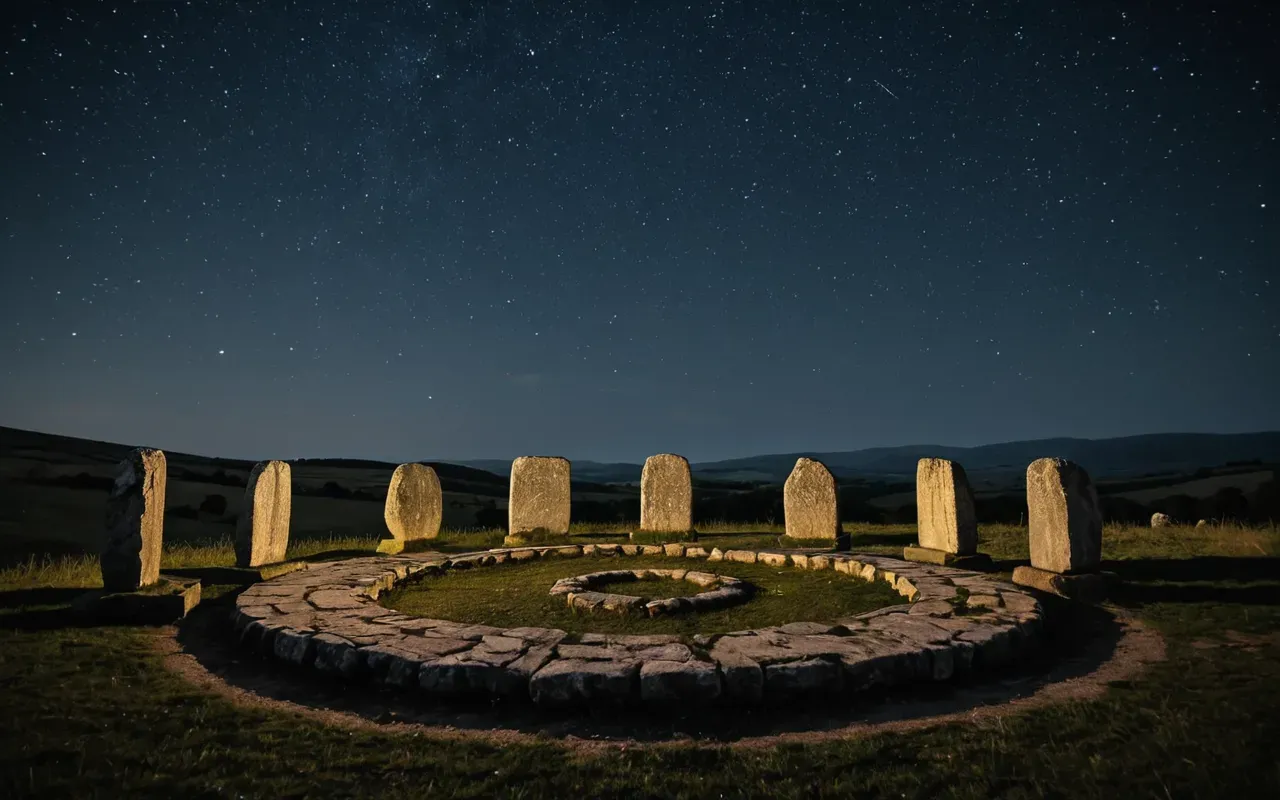
The role of fear in shaping culture. Water is a universal threat that transcends language and geography.
Floods are not just natural disasters. They are psychological events that leave deep scars on a community.
This fear drives storytelling. It creates narratives that warn future generations about the dangers of ignoring nature.
A contrarian view on the 'one global flood' theory. The evidence points to multiple local events.
There is no single sedimentary layer covering the entire planet. That's a crucial point.
Instead, we see distinct deposits in different regions. This supports the idea of many separate disasters.
The modern relevance of ancient memories. We are facing similar climate challenges today.
The [Akkadian Empire](https://gobeklitepelife.com/akkadian-empire-drought-collapse-warning-modern-climate-trap) fell due to a severe drought. That was thousands of years ago.
But the pattern is clear: environmental shifts can topple civilizations. We are not immune.
Studying these ancient memories is not just academic. It's a warning about our future.
What this means for how we teach history. We need to include oral traditions in our textbooks.
Currently, we focus heavily on written records. But that excludes most of human history.
Oral traditions contain valuable data about environmental changes. They are a form of science before science.
Integrating these stories into education gives a fuller picture of how humans adapted to their environment.
The final takeaway. Flood myths are not lies; they are compressed histories of real suffering.
They remind us that nature is powerful and unpredictable. They are stories of survival.
And they show us that memory can outlast the events themselves. That is a profound truth.
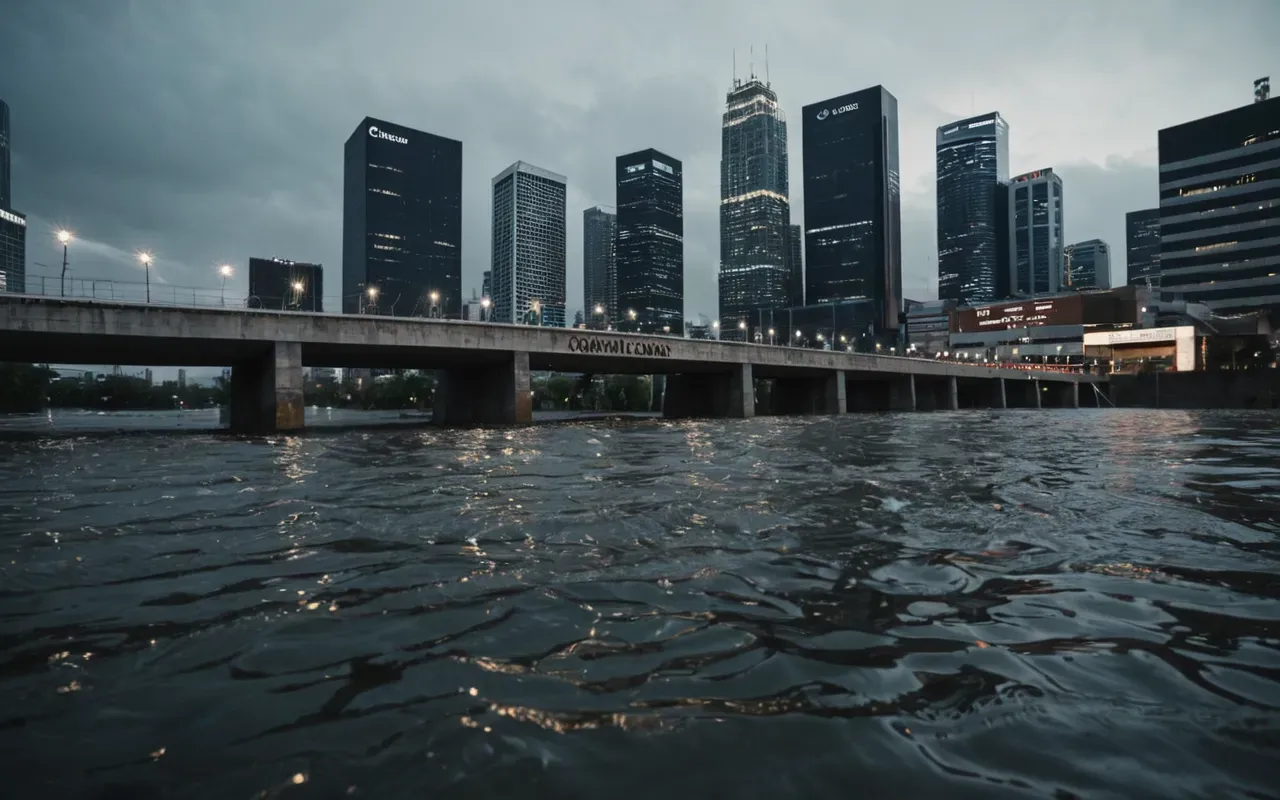
A call to action for researchers. We need more interdisciplinary studies combining geology and anthropology.
Geologists have the data. Anthropologists have the context. Together, they can build a more complete picture.
This approach respects both the physical evidence and the human experience behind it.
The future of flood research. Climate modeling will help us understand past events better.
As our models improve, we can simulate ancient scenarios with greater accuracy. This will refine our understanding.
It also helps us predict future risks. The past is a guide for the present.
Conclusion. We are not just reading myths; we are listening to the earth's memory.
Flood stories are a testament to human resilience. They show how we cope with loss and change.
And they remind us that our relationship with nature is complex and ongoing. We are still learning.