The alien theory hiding a far scarier truth about our past
The myth that refuses to die
Look at the screen. A dramatic score swells. The narrator whispers about "gods from the stars." You know this clip. It is from Season of Ancient Aliens, titled "Aliens Among Us."
The premise is simple yet deeply flawed. It suggests that when early humans faced cataclysmic events, they needed help. Not from each other, but from extraterrestrial beings.
I watched it last night. Honestly, I felt a strange mix of amusement and frustration. We keep seeing this narrative. It strips human agency from our own history.
But here is the thing that nobody talks about. The real story behind those ancient sites is far more impressive than any alien theory.

Why we love the alien excuse so much
It is easier to believe in magic than in hard work. That is the core appeal. If aliens built it, we do not have to understand how.
Consider the burden of responsibility. If humans built complex structures twelve thousand years ago, it means our ancestors were brilliant engineers.
That is a heavy claim. It forces us to respect the past as equals rather than primitive figures. Many find that uncomfortable.
So we reach for the remote control. We choose the comfortable lie. It is a psychological shortcut that saves us from confronting our own potential.
The real survival strategy of ancient humans
Let us talk about Göbeklitepe. It is located in southeastern Turkey. The site dates back to approximately ten thousand BCE.
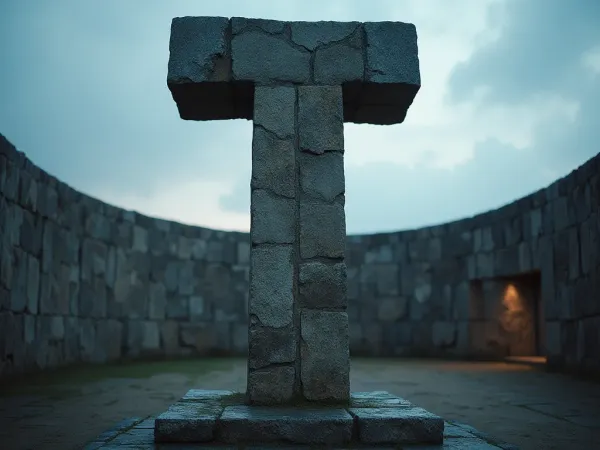
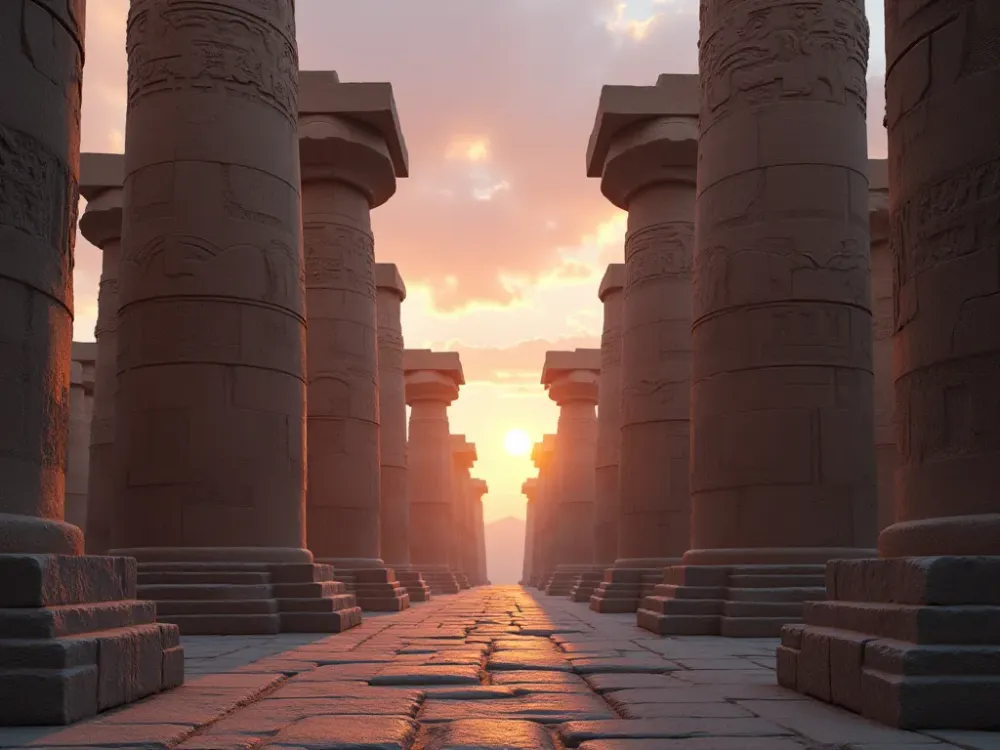
Imagine the conditions. No wheel. No metal tools. Just stone and bone. Yet these people built massive T-shaped pillars.
They did this before agriculture was fully established. They gathered to build a temple first. Then they developed farming techniques.
This sequence changes everything we think we know. It suggests that social bonds and belief systems drove technological progress.
What the show gets wrong about survival
The show implies that humans are helpless without outside help. But the archaeological record says otherwise.
Take the drought that hit the Akkadian Empire. It was severe enough to erase cities. Yet humans adapted and moved.
We have internal links to explore this. If you want to see how ancient empires collapsed due to climate, check that out.
Survival was not a gift. It was a choice made through collective action and innovation.
The forgotten workers behind the myths
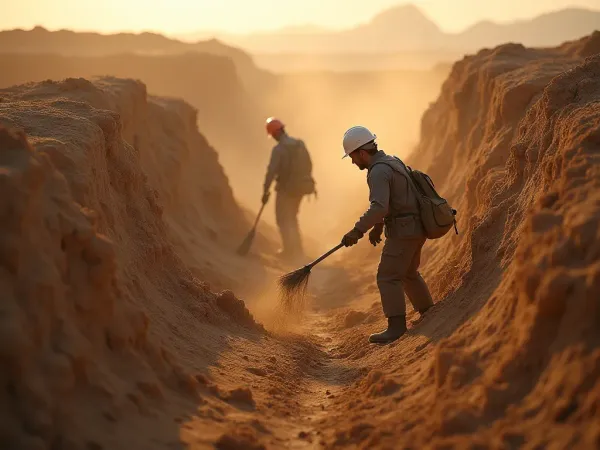
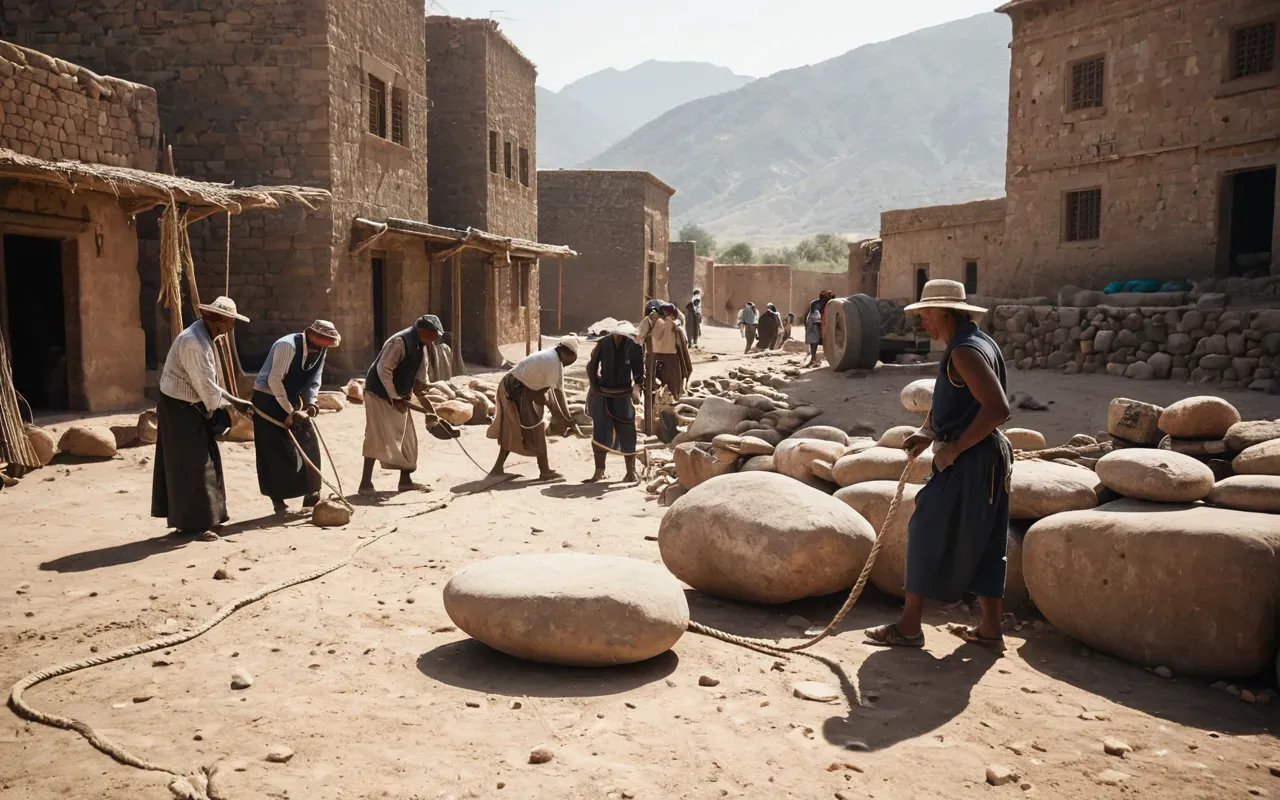
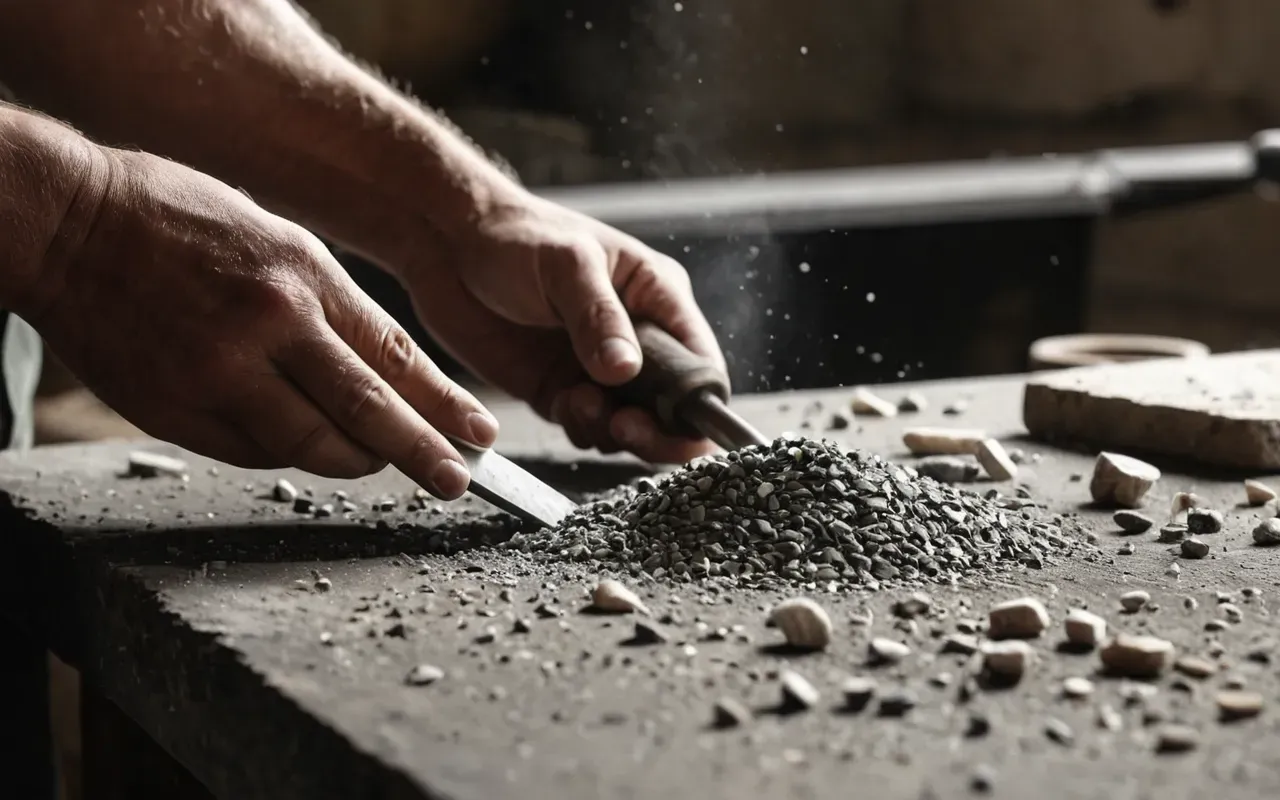
Who actually built these structures? Not aliens. Workers. Skilled laborers with specific knowledge.
They understood geology and physics. They managed logistics for thousands of people without modern communication tools.
Their names are lost. But their skills remain visible in the stones we study today.
There is a post about the workers behind Göbekli Tepe that you should read.
Why this matters for how we see ourselves
When we credit aliens, we diminish our own species. We become passive observers of history.
But when we recognize human ingenuity, we empower ourselves. We see that problems are solvable by us.
This is not just about the past. It shapes how we tackle climate change and other modern crises.
We have the tools. We just need to trust our collective ability to adapt and build.
The gap in your history education
Schools often skip the prehistoric era. They jump from cavemen to pharaohs.
This creates a void. People fill it with myths and speculation from shows like this one.
If you want to understand the twelve thousand year gap, start there.
It is a crucial period. It holds the keys to our earliest complex societies.
What we can learn from ancient resilience
Ancient humans faced extreme environments. They survived by sharing knowledge and resources.
They built communities around shared beliefs. This cohesion helped them endure droughts and famines.
We can apply these lessons today. Strong social bonds are a survival tool as much as technology.
It is a simple truth often overlooked in favor of high-tech solutions.
The danger of outsourcing our history to aliens
When we say aliens did it, we stop asking how. We lose the curiosity that drives discovery.
We miss out on understanding our own cognitive evolution. It is a missed opportunity for self-knowledge.
The truth is stranger and more beautiful. We did it ourselves.