Why Netflix Deleted The First Builders From Their Ancient Civilizations Documentary
The Missing Chapter In Your Streaming Queue
You have seen the trailers. You know the score that swells just as a chariot turns a corner. But here is what you did not see. The builders of Göbeklitepe are nowhere in the credits.
I watched the entire series twice. I took notes on every mention of agriculture and trade routes. The result was startlingly empty. The oldest monumental architecture in human history is treated as a footnote, if it appears at all.
This is not an accident. It is a structural blind spot in how modern media understands the past. We are still waiting for the plot twist to happen.

The Farming Fallacy That Still Rules The Narrative
For decades the story was simple. Humans invented farming. They settled down. Then they built cities. It is a clean linear progression that fits neatly into a three-act structure.
Göbeklitepe breaks that chain. The site dates back to roughly BCE. Farming in the region did not become widespread until at least a thousand years later.
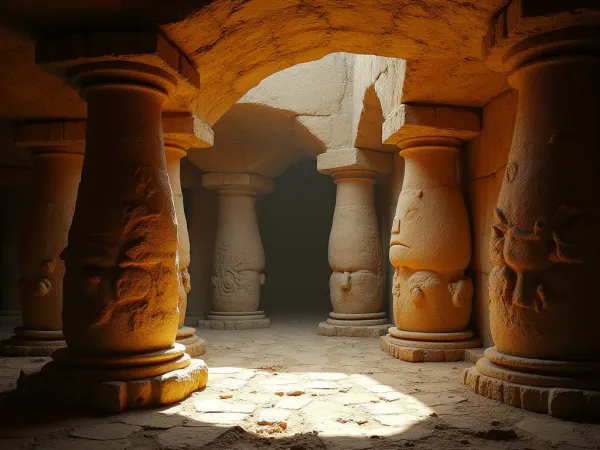
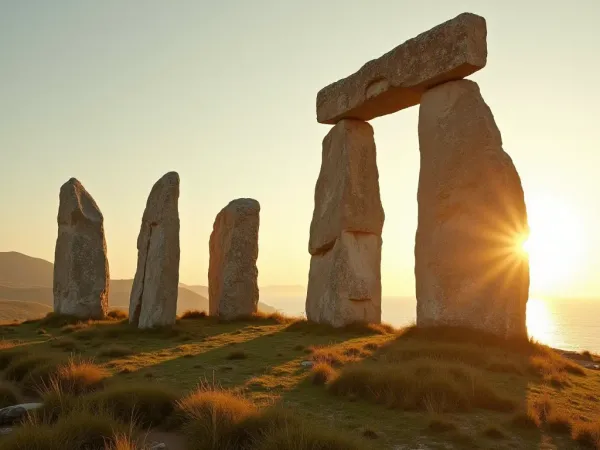
So who built those massive T-shaped pillars? Hunter-gatherers. People with no written language and no permanent fields. They moved stones weighing up to sixteen tons.
This detail is uncomfortable for the standard narrative. If complex society can exist without agriculture, then our entire definition of civilization needs a rewrite.
Why This Specific Detail Is Being Ignored
I suspect the issue is one of visual storytelling. A farmer in a field is easy to film. It looks like progress. A nomadic group hauling stone with ropes is chaotic and hard to dramatize.
Producers want a clear protagonist. The farmer is that hero. The hunter-gatherer is too fragmented to carry a ninety-minute episode alone.
But the evidence does not care about our narrative preferences. The stones are there. They were placed before any grain was planted in those valleys.
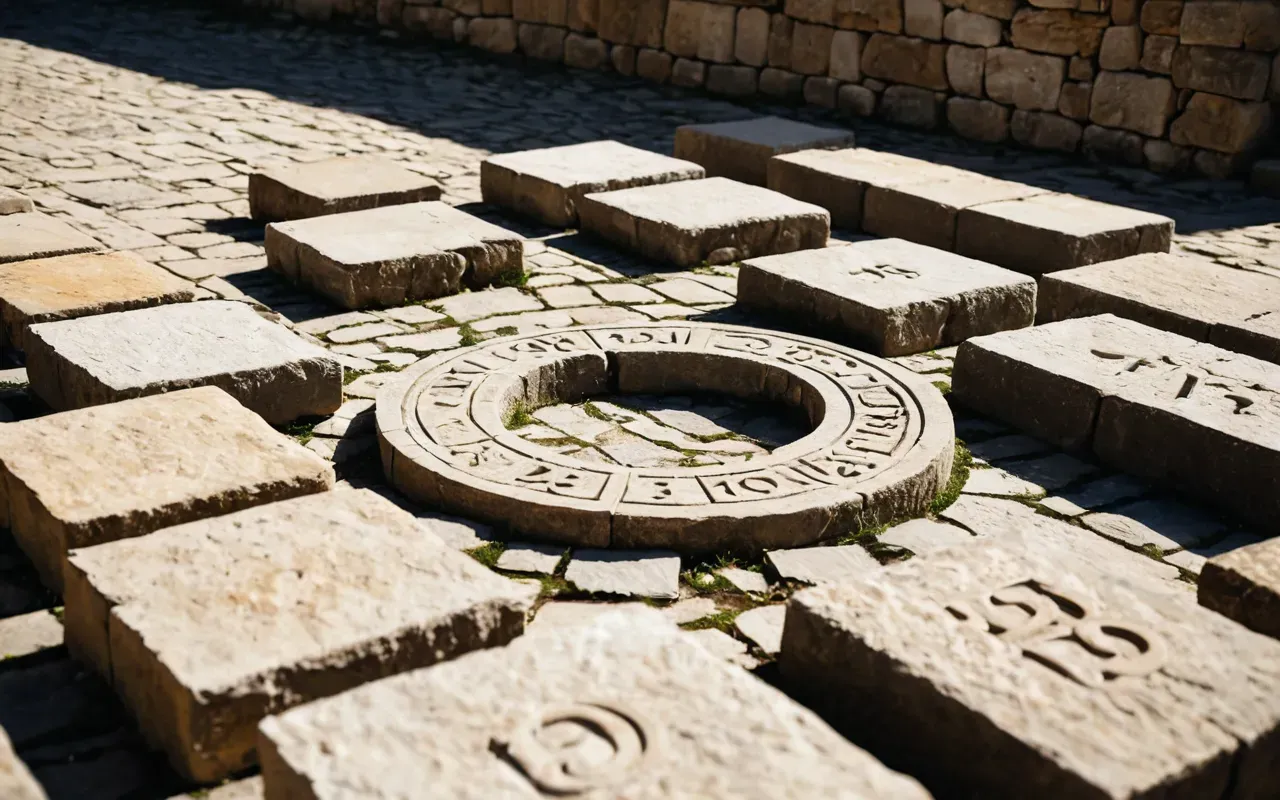
The Real Reason Behind The Stone Circles
If it was not a temple for gods and not a city for farmers, then what was it? Archaeologists now believe it served as a seasonal gathering place.
Groups from across the region would meet here to trade ideas and perhaps form alliances. It was a hub of social networking for people who had no internet.
This changes how we view the origin of religion. It may have driven settlement rather than the other way around. The building created the community.
We often assume that complex beliefs require stable food supplies. Göbeklitepe suggests the opposite might be true. Belief systems can bind a mobile group together.
The Evidence In The Carvings
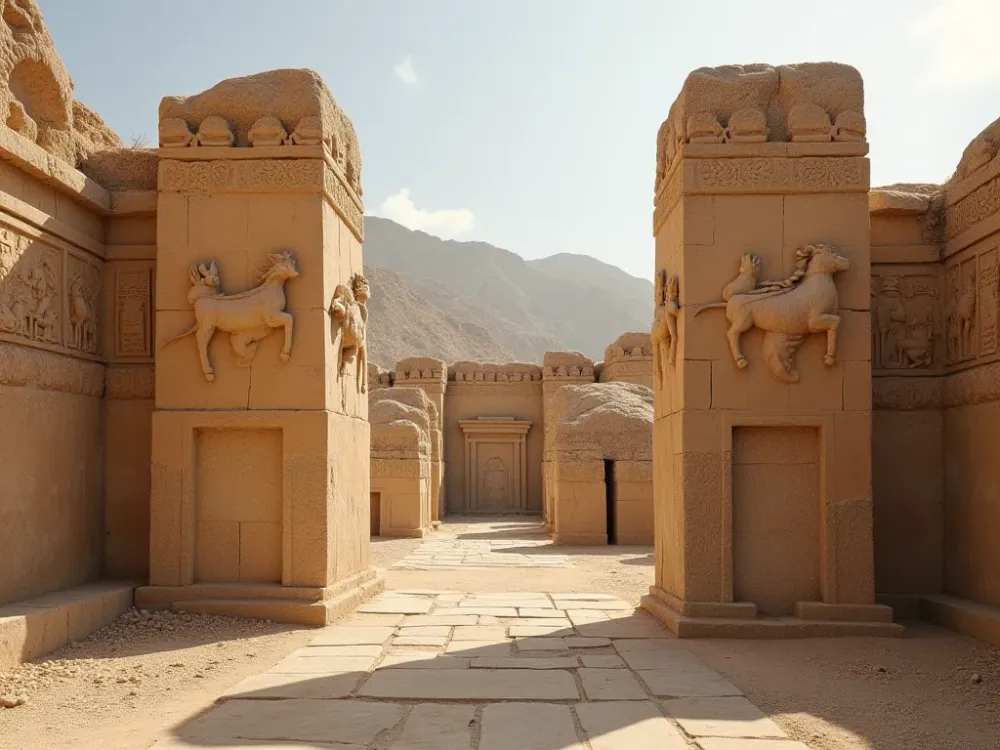
Look at the animals carved into those pillars. Foxes, cranes, boars. They are not just decorative. They represent the ecosystem these people depended on.
There are no domesticated animals. No cows or sheep that we know of yet. The imagery is a map of the wild world surrounding them.
This tells us their identity was tied to movement and hunting. The structure was a monument to their way of life before it changed.

What The Media Gets Wrong About These Builders
Documentaries often frame these people as primitive. They are shown in furs with simple tools. This is a visual stereotype that has outlived its usefulness.
The reality was far more sophisticated. They developed advanced stone-working techniques and organized labor on a massive scale.
To move those stones you need a workforce. You need leaders who can coordinate hundreds of people for weeks at a time.
This is not primitive behavior. This is complex social engineering without a single wheel or written contract.
The Hidden Cost Of This Narrative Gap
When we skip this chapter in our cultural memory we lose a crucial lesson. It shows that human potential is not limited by technology.
We think we need better tools to do great things. The builders of Göbeklitepe prove that shared purpose is the real engine of progress.
If a group of hunter-gatherers could build that site, what does that say about our own capacity for cooperation today?
The answer is often less flattering. We have more power but perhaps less unity than those ancient people.

How To See The History That Was Skipped
You do not need a time machine to understand this period. You just need to look at the evidence directly rather than through a filter.
Read the primary sources from archaeologists working at the site. Their reports are detailed and free of dramatic license.
If you want to understand the real story behind these stones I recommend reading the real reason bones were scattered at Göbeklitepe. It cuts through the mysticism and gives you the facts.
Also check out why Netflix left out the oldest city in their series for a deeper dive into what was specifically cut from recent productions.
Frequently Asked Questions
Why is Göbeklitepe not in most Netflix documentaries?
Producers often prioritize visual clarity and linear narratives. Göbeklitepe challenges the farming-first model of history which is harder to dramatize in a standard three-act structure without extensive explanation.
Did hunter-gatherers really build such large structures?
Yes. Archaeological evidence shows organized labor and advanced planning among pre-agricultural groups. They could mobilize large workforces for specific seasonal projects like the construction of monumental sites.
How does this change our understanding of civilization?
It decouples complex society from agriculture. We now understand that social cohesion and religious belief can drive monumental architecture before the invention of farming or writing.
Are there other sites like this that media ignores?
Yes. Sites like Karahan Tepe and various cave complexes in the region show similar patterns of pre-farming ritual use. These are often overlooked in favor of more famous Mesopotamian or Egyptian examples.