Ancient Humans Were Better At Making Their Beds Than You Are
The Bedding Routine That Defies Expectations
We like to think domestic discipline is a modern invention. Vacuum cleaners, laundry machines, all of it. But the evidence says otherwise.
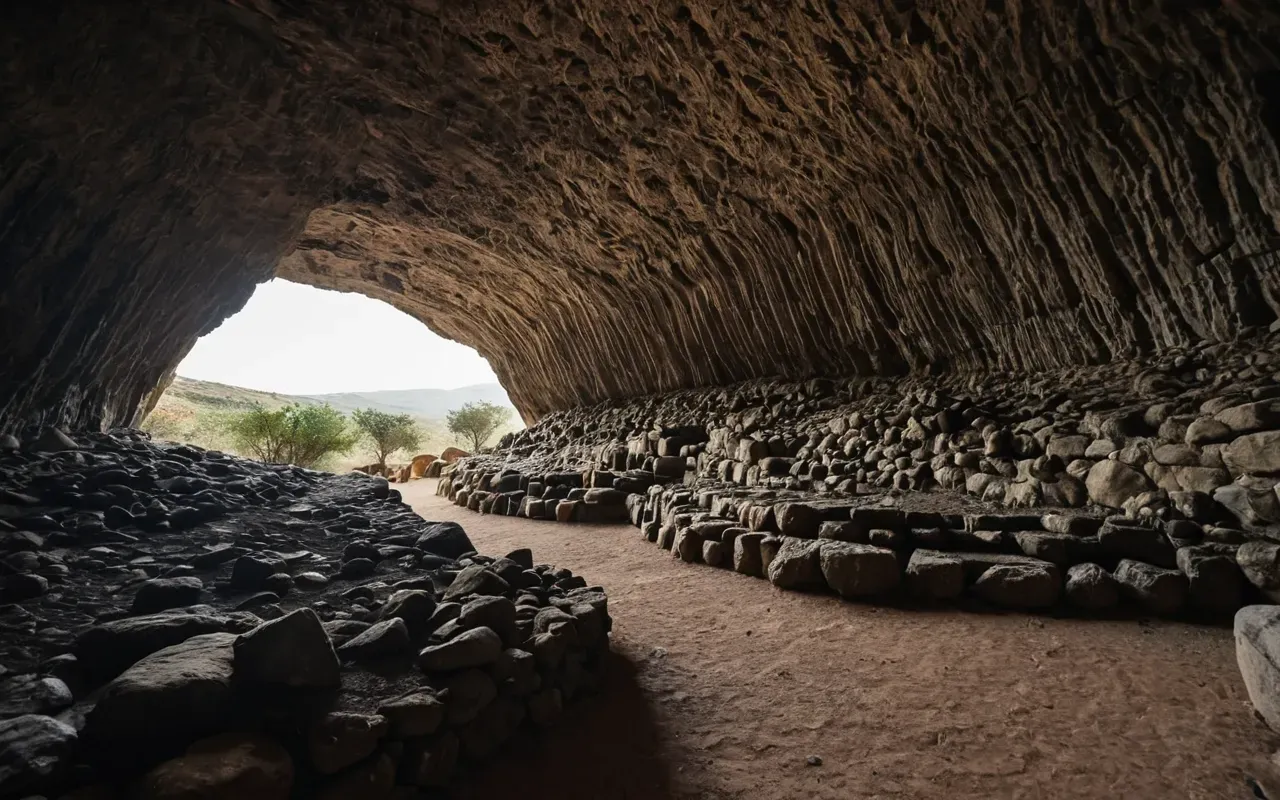
Researchers analyzing layers in a famous South African cave found something striking. Prehistoric humans weren't just sleeping on the ground at random.
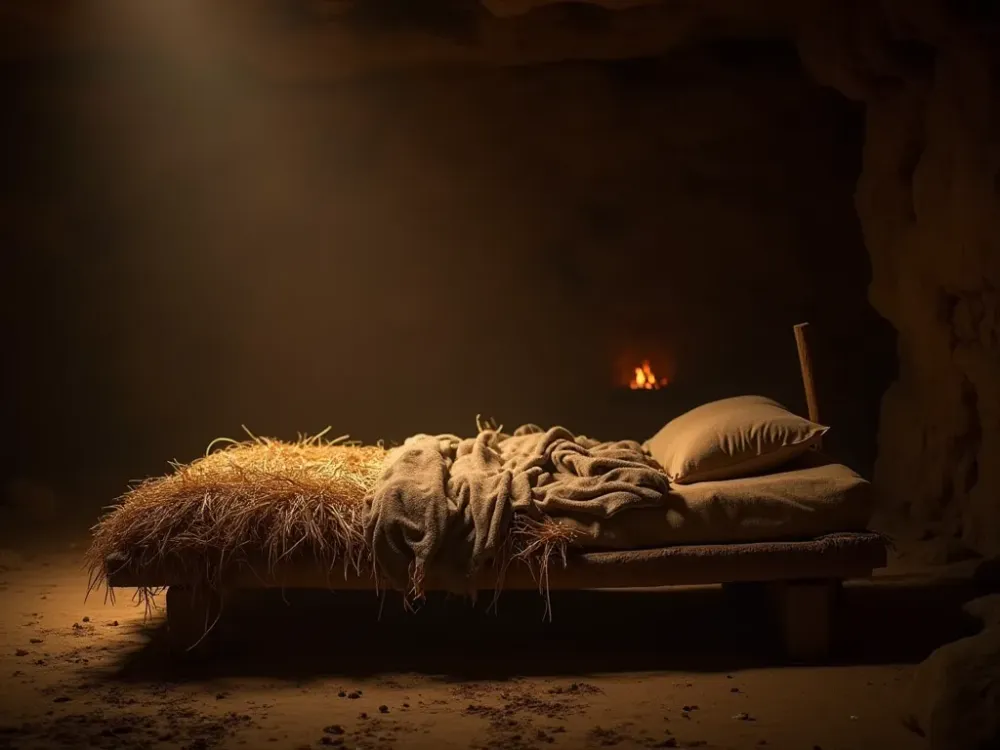
They were building beds. And then burning them down to start over.
Why This Changes The Narrative On Early Life
The study, published in the Journal of Archaeological Science, details this cycle. It shows a level of maintenance often attributed to later agricultural societies.
I find this fascinating, because it challenges the idea that primitive life was pure chaos. These people had a system for their sleep.
Grass Ash And The Hygiene Hypothesis
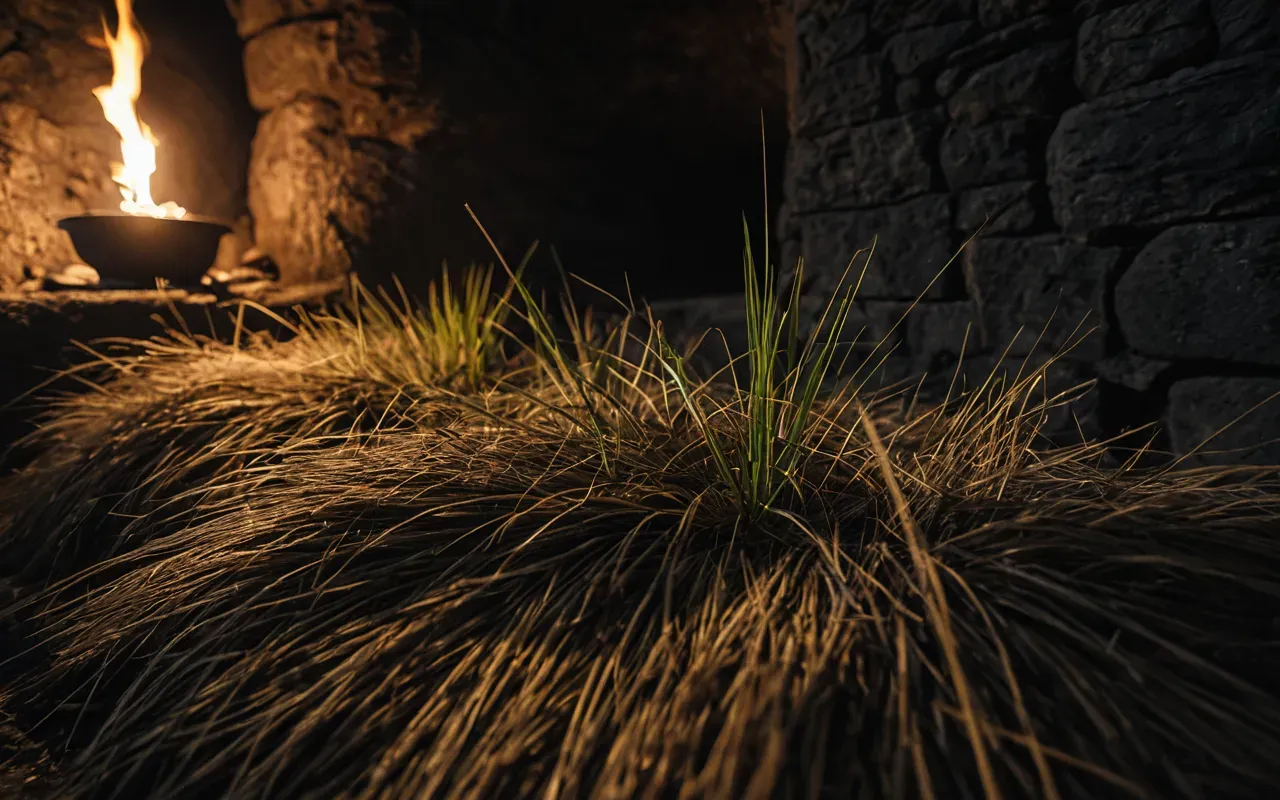
The beds were made from grasses in the Panicoideae family. Think relatives of modern maize and sugarcane.
But the most telling clue isn't the plant material. It's the ash layers mixed into the bedding structures.
What The Ash Layers Actually Tell Us About Behavior
Scientists believe the burning served a functional purpose. It likely helped repel insects or sterilize the sleeping surface.
This isn't a one-off. The behavior stayed stable for tens of thousands of years.
That consistency points to a deliberate cultural practice, not random accident. They knew what they were doing.
The Timeline Of Occupation In The Cave
This site was heavily occupied between roughly , and , years ago. It's a rich archive of human habitation.
Researchers identified six well-preserved bed-like structures. Some date back as far as , years.
Earlier evidence pushes the timeline back to nearly , years. That's a staggering depth of history.
Comparing Ancient Bedding To Modern Sleep Habits
We joke about how messy we are with our homes. Yet these ancestors maintained their spaces with surprising discipline.
No memory foam. No adjustable bases. They had grass and fire.
What This Means For Our Understanding Of Cognition
This finding adds to the growing body of evidence that early humans were more complex than we thought. They planned ahead.
If you're interested in how early societies structured their daily lives, this discovery is a significant piece of the puzzle.
It reminds us that domesticity isn't a luxury. It's a fundamental part of being human.
The Broader Implications For Archaeological Studies
Archaeologists are now looking for similar patterns at other sites. This changes how we interpret ancient refuse and debris.
It forces us to reconsider what we label as waste. Sometimes it's just a sign of regular maintenance.
If you want to understand how our ancestors actually lived, pay attention to these small details. They tell the real story.
Connecting The Dots To Other Ancient Discoveries
This discovery fits into a larger trend of finding sophisticated behaviors in the deep past. We are constantly rewriting the timeline.
For example, if you have been following how ancient civilizations built before farming existed, this kind of evidence aligns perfectly.
It shows that complex social structures and routines were already in place long before agriculture took hold.
The Final Verdict On Ancient Housekeeping Skills
So, were they better at making their beds than us? Probably. They had a system that worked for millennia.
We have technology now. But they had consistency and intent. That's something we could all learn from.
Next time you skip cleaning your room, remember the people who burned their bedding to keep it fresh.