Göbeklitepe's Rising Fame Reveals a Hidden Power That Could Rewrite Humanity’s Spiritual Origins
The Unexpected Revelation Hidden in Turkey's Most Famous Archaeological Site
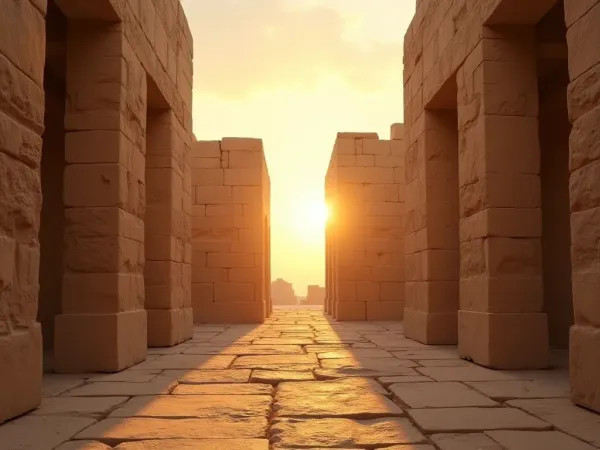
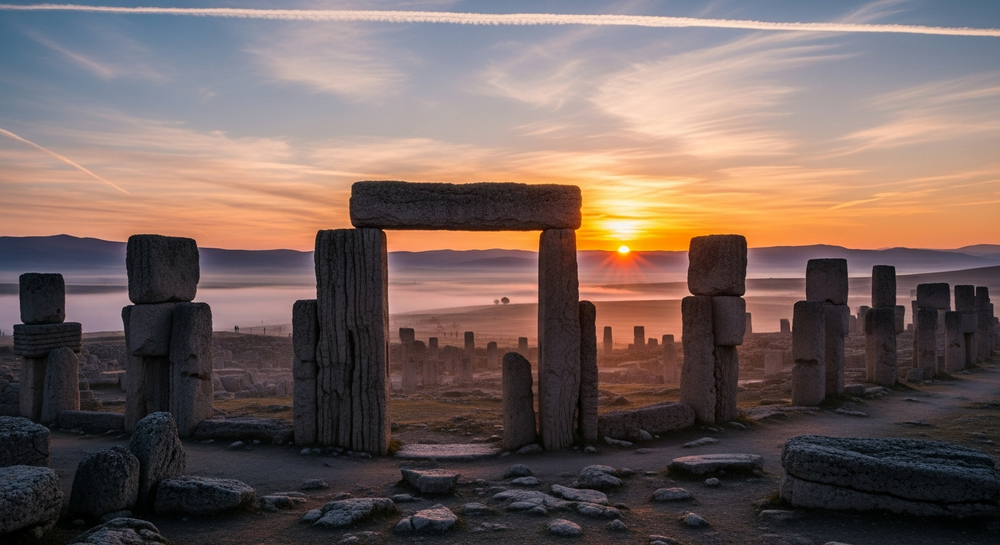
Few sites in the world possess the mystique and archaeological significance of Göbeklitepe, but what remains most astonishing in the context of this 12,000-year-old wonder is its potential to serve as a fundamental key to understanding humanity's spiritual roots. With more than 4.4 million visitors since its UNESCO inscription, the site's popularity not only reflects a surge of interest in prehistoric archaeology but hints at deeper, perhaps subconscious, human yearning for connection with our earliest spiritual expressions. While many focus on its groundbreaking architecture and symbolic carvings, what is often underreported is how Göbeklitepe might actually be a physical embodiment of humanity’s innate spiritual engine, waiting to fundamentally challenge and expand our understanding of the origins of religious consciousness.
Beyond Historical Curiosity: Göbeklitepe as a Catalyst for Spiritual Awakening
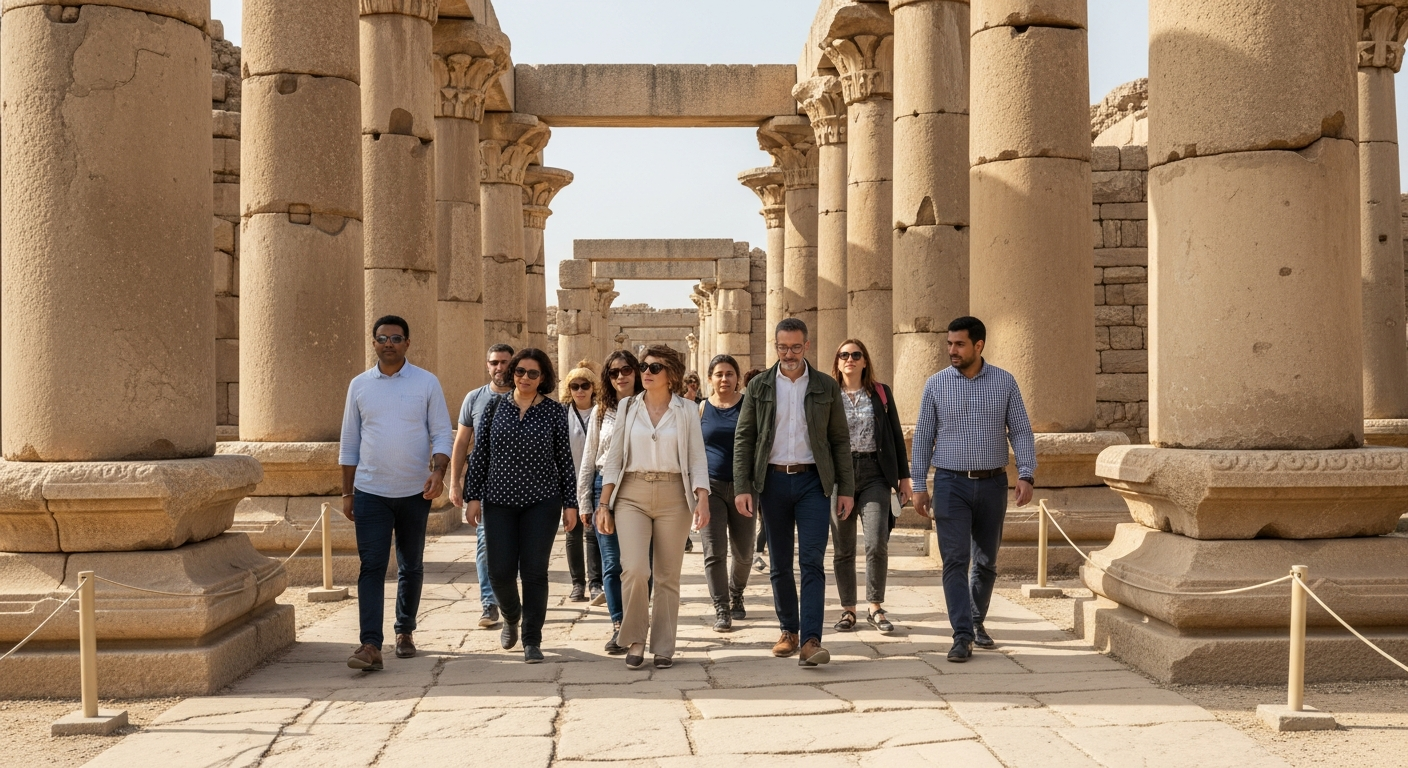
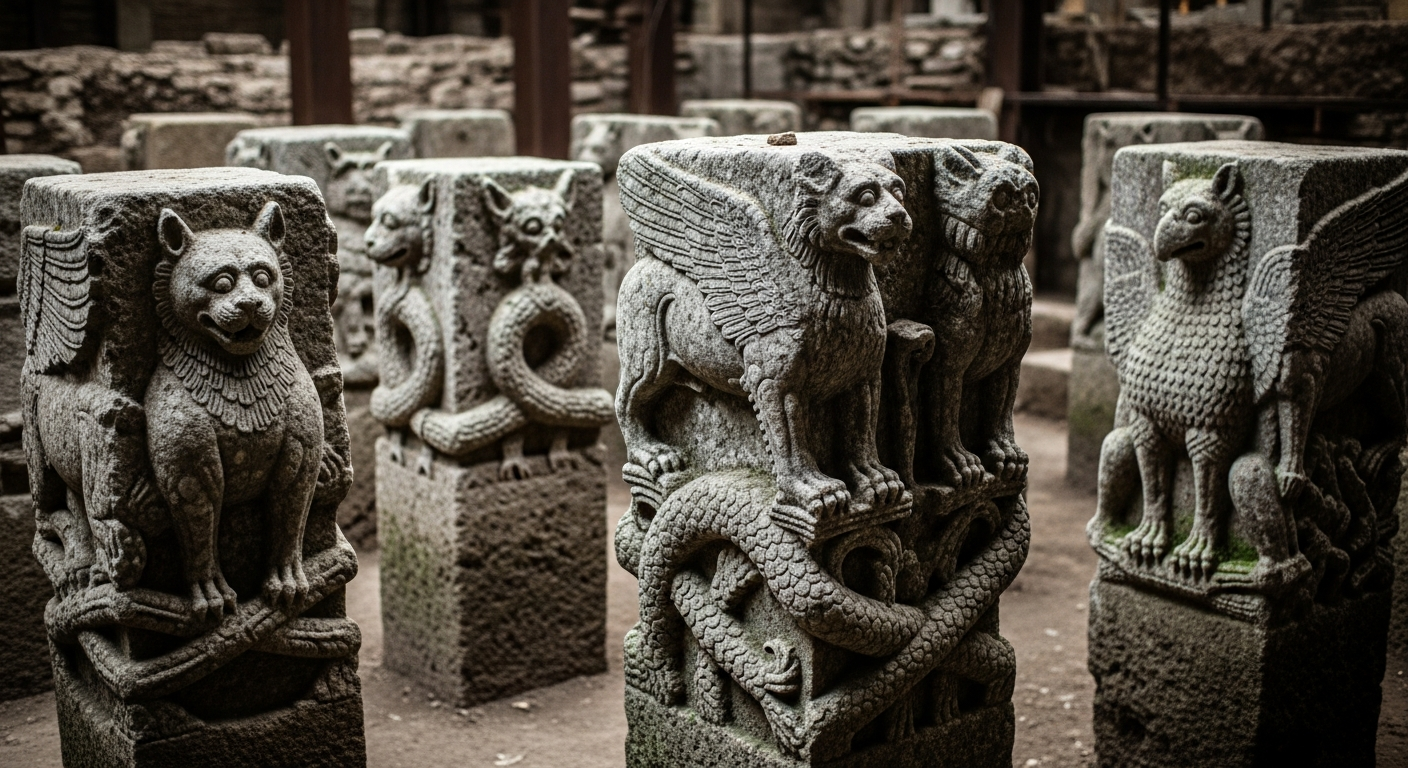
There is an undercurrent of curiosity that transcends academic inquiry when visiting Göbeklitepe, a site whose purpose has long been debated among archaeologists. However, increasingly, experts suggest that this site was more than a ritual center or a temple—it was perhaps a spiritual powerhouse that embedded early humanity with an understanding of the sacred that predates organized religion by thousands of years. The extraordinary carvings, symbolic motifs, and megalithic alignments point to a complex, perhaps even conscious, attempt by our ancestors to connect with unseen realms. This transformation in understanding could have profound implications—what if Göbeklitepe was designed as a conduit for spiritual communication, a way for early humans to engage with the divine or the supernatural in ways we are only beginning to comprehend? Such a possibility pushes the narrative beyond mere architecture and into the heart of human consciousness.

The Hidden Power Embedded in Göbeklitepe That Could Revolutionize Our View of Human History
This rising tide of visitor interest isn't purely about tourism; it signals a potential realignment in how we define human evolution. Göbeklitepe's age predates the Neolithic revolution, suggesting that early humans may have possessed technological or spiritual insights far more advanced than previously thought. Critical examinations of the site point to deliberate alignments, astronomical markers, and intricate carvings that could be evidence of an ancient 'technology' capable of connecting consciousness to cosmic phenomena—yet another hypothesis that challenges our current understanding. While mainstream theories continue to emphasize survival and social cohesion, the persistent enigma that surrounds Göbeklitepe could hint at a forgotten chapter where spiritual knowledge and technological prowess were deeply intertwined, shaping the very fabric of civilization from its dawn.
Who Gains and Who Loses When We Reconsider Our Spiritual Past Through Göbeklitepe?
This profound shift in understanding has societal implications for both academia and faith communities. On one hand, a reconceptualization of early human spirituality rooted in sites like Göbeklitepe could diminish the centrality of organized religion, shifting importance back to a more primal, universal spiritual consciousness shared by entire humanity. On the other hand, such revelations could threaten traditional narratives, unsettling long-held beliefs and inspiring a new age of spiritual exploration based on scientific and archaeological discoveries. Economically, the site’s explosive growth in international visitation benefits regions like Şanlıurfa but also raises questions about preserving the authenticity of the experience amidst commercial pressures. The challenge lies in balancing respect for the site’s profound spiritual power with the global curiosity it sparks, which could very well be the beginning of a new frontier in understanding human history—one that rewrites the very story of our spiritual origins.