Did Gravity Move The Bones That Rewrote History At Gobeklitepe
The Mystery That Stumped Archaeologists For Three Decades
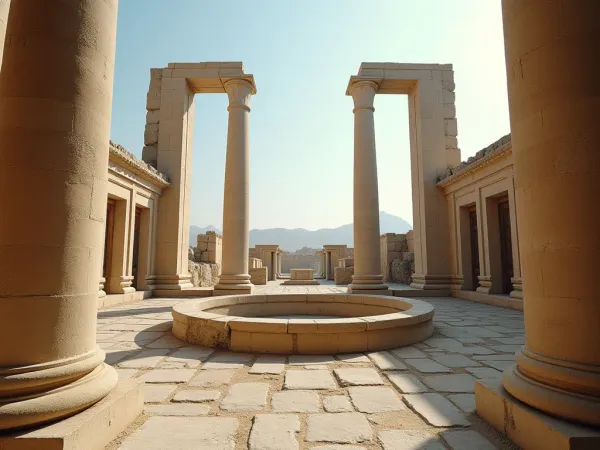
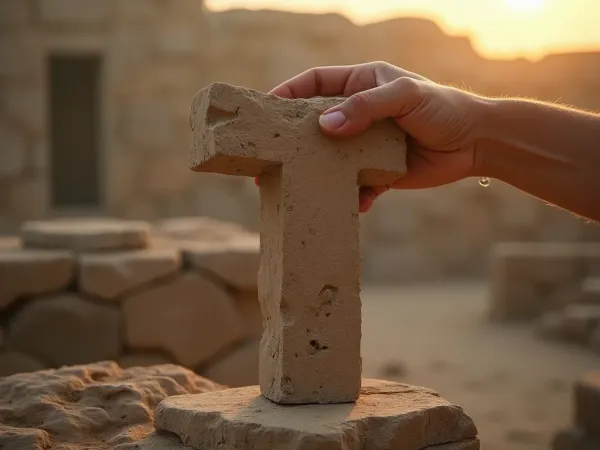
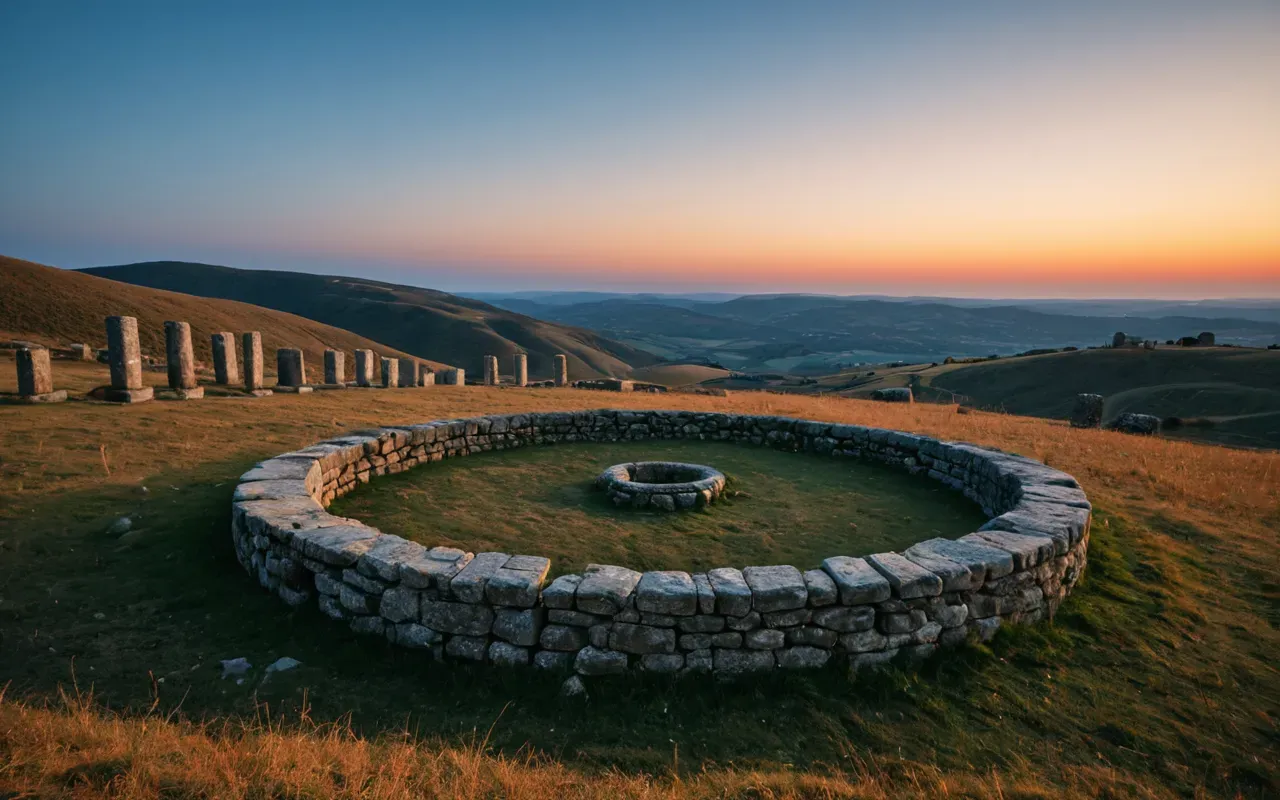
Archaeologists have been pulling human bone fragments out of the ground at Göbeklitepe since . Hundreds of them. The site sits in southeastern Türkiye and goes back roughly ten thousand years, to the Early Neolithic period.
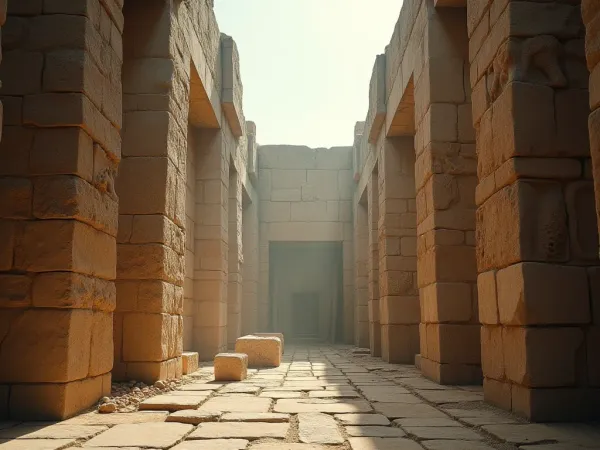
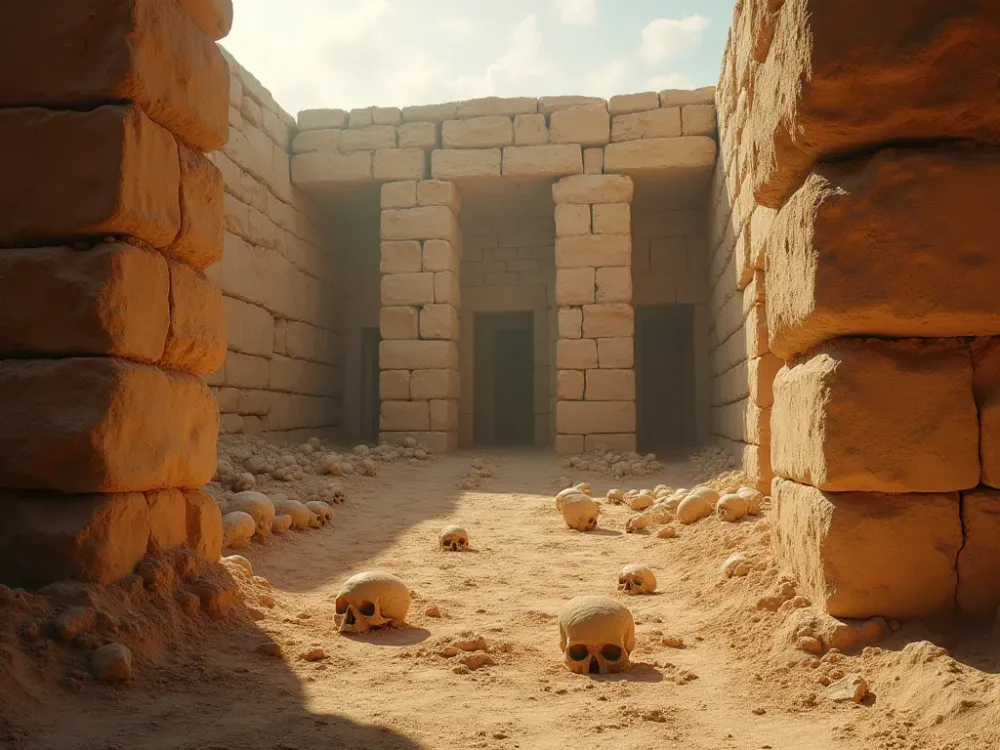
Men, women, children — the remains belonged to all of them. And they weren't found in tidy graves. The fragments were scattered across the site, ending up inside the monumental buildings that made this place famous.
For thirty years, scientists have puzzled over why the bones were there. Did ancient people scatter them as part of a ritual? Or did natural processes move them over time?
The new discovery of the site's first intact human burials offers a fresh perspective. It suggests that nature may have played a bigger role than we previously thought.
What The Two New Burials Actually Reveal
Julia Gresky from Georg-August University in Germany and Lee Clare from the German Archaeological Institute detailed their findings. They excavated two distinct burial sites on the hill.
One grave contained a young woman placed on a layer of stones. The second was a shared grave holding at least three individuals whose bones had been rearranged.
In the lab, researchers examined these remains closely. They looked for signs of natural wear like fractures, rodent bite marks, and thick mineral crusts.
Here's what they found: these bones showed many of the same types of natural damage as the loose fragments scattered across Göbeklitepe. That's a critical piece of evidence.
"This primary burial demonstrates that many of the observed alterations occurred within the burial context itself," wrote Gresky and Clare in their paper published in PLOS One.
The Role Of Natural Erosion And Landslides
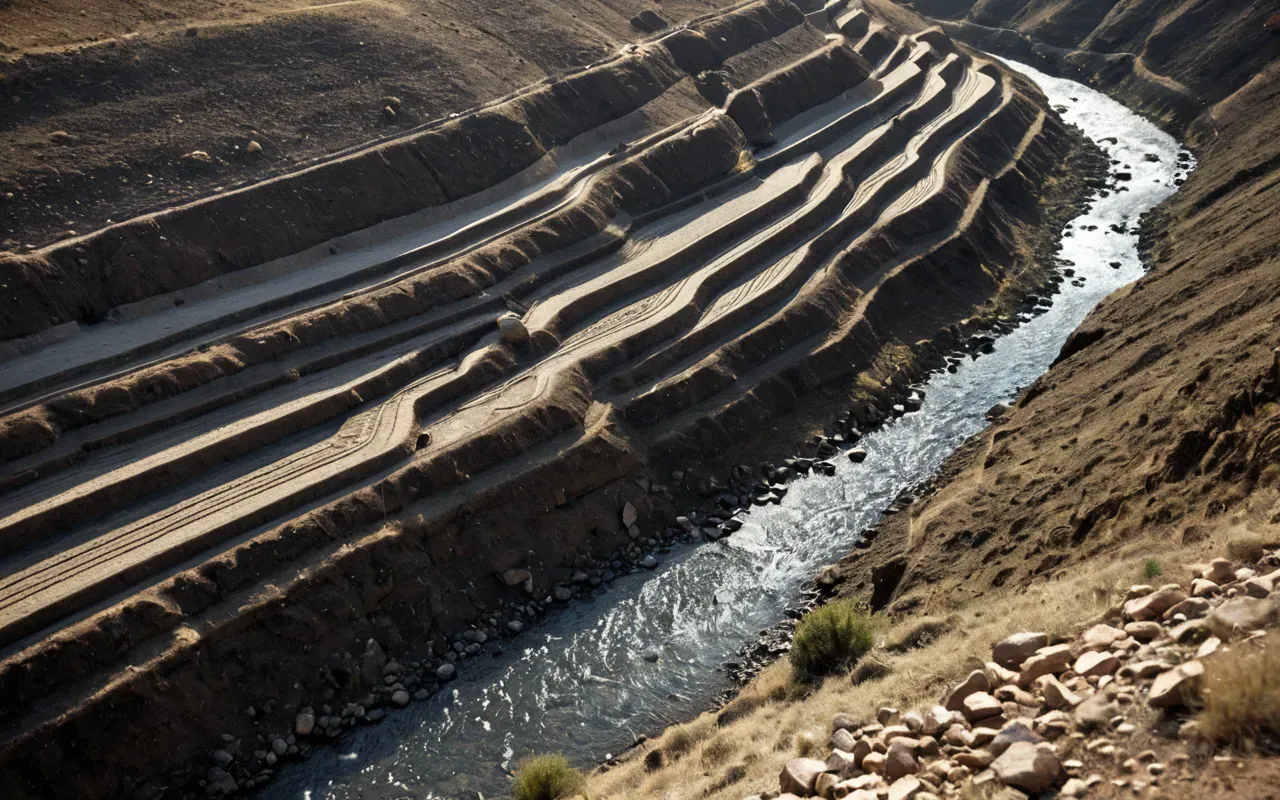
To the study authors, this suggested that many of the scattered bone fragments originally came from graves higher up the hill. Over time, erosion and landslides could have moved dirt and debris downhill.
That movement carried the damaged bones from their original resting places into the lower buildings. The gravity of the situation literally reshaped the archaeological record.
It is a simple physical process. But it has massive implications for how we interpret ancient human behavior at this site.
Why This Changes More Than People Think About Ancient Rituals
For years, the scattered bones fueled intense debate about mortuary practices at Göbeklitepe. Some researchers believed in complex ritual scattering of remains.
If erosion is the primary driver, then many rituals might have been over-interpreted. We need to be more careful about attributing human intention to natural processes.
The researchers are not ruling out other possibilities entirely. They state that this does not exclude the possibility that additional mortuary practices were also taking place.
"While this offers a strong and plausible scenario, it does not exclude the possibility that additional mortuary practices—whether simultaneous or diachronic—were also taking place," they noted.
The Skeptical View On Previous Theories
I have to be honest. It is easy to project modern human complexity onto ancient peoples when we see bones in unusual places.
We want to believe that every arrangement is a ritual. But nature is patient and persistent. It moves things without any intention.
This finding forces us to re-evaluate other sites with similar scattered remains. We might be seeing natural processes where we thought there were elaborate ceremonies.
It is a humbling reminder that the ground itself tells part of the story. And sometimes that story is about physics, not philosophy.
The Bigger Picture For Understanding Early Human Life
Göbeklitepe has always been a site that challenges our timeline. It suggests humans built monumental structures before they fully settled into farming communities.
If you are interested in how early humans organized their lives before agriculture took hold, this is a crucial piece of the puzzle. See the real reason humans built Göbeklitepe before they learned to farm for more context.
The bones in these buildings were likely moved by the same forces that shape landscapes today. Rain, wind, and gravity have been sculpting this hill for millennia.
This does not diminish the site's importance. It refines our understanding of what happened there. We are looking for human traces in a dynamic environment.
How This Fits Into The Larger Narrative Of Human Origins
We often think of history as a straight line. Farming leads to cities. Cities lead to temples and states.
But Göbeklitepe complicates that. People built first. Then they stayed and farmed.
The bone mystery adds another layer of complexity. It reminds us that the physical record is messy and subject to natural alteration.
We have been watching the wrong story about Göbeklitepe for decades if we assume every bone placement was intentional ritual.
Check out how we have been watching the wrong story about Göbeklitepe for decades to see how perceptions shift with new data.
What This Means For Future Excavations And Research
Future excavations will need to pay closer attention to stratigraphy and soil movement. They must distinguish between human action and natural displacement.
Researchers will likely use more advanced geochemical methods to date soil layers. This helps pinpoint when bones moved and how.
It is a more rigorous approach. And it will likely produce different narratives about ancient life at this site.
We are moving from a story of mystical ritual to one grounded in physical reality. And that is a good thing for science.
The Human Element In An Ancient Site
Despite the scientific rigor, this is still a story about people. A young woman was buried there. Three others shared a grave.
They lived ten thousand years ago. They died and were placed in the earth by their community.
Nature then did what it always does. It moved the world around them and after them.
We are just now learning to read that movement correctly. And it changes how we see their lives and beliefs.
Final Thoughts On The Bones And The Story They Tell
The discovery of these two burials does not close the book on Göbeklitepe. It opens a new chapter.
It forces us to be more careful with our interpretations. It reminds us that the past is complex and often counterintuitive.
The bones were not necessarily scattered by ritual hands. They may have been carried down the hill by rain and time.
And that is a story worth telling. Because it shows us how much we still have to learn about our own past.
If you are interested in other discoveries that challenge conventional timelines, look into the stone age tool that broke the farming myth at Göbeklitepe.
History is not static. It shifts as we find new evidence and ask better questions.
And Göbeklitepe is at the center of that shift right now.