Five Million People Just Proved We Have Human History Completely Backwards
The Monumental Milestone In The Heart Of Rome
Standing in the shadow of the Colosseum, you're surrounded by tourists snapping photos of a landmark that defines Western civilization for most people. But just steps away from those ancient stone walls, something quietly radical is happening right now.
An exhibition dedicated to Göbeklitepe has officially drawn five million visitors. This isn't some modest local museum show with sparse foot traffic or just academic crowds. Half a hundred thousand people have been walking through those doors every single day for months on end.
Turkish Minister of Culture and Tourism Mehmet Nuri Ersoy announced the staggering figure recently. He stressed that this success proves Göbeklitepe's profound appeal to a global audience, reaching far beyond Turkey or just Europe.
The numbers alone are shocking enough. But look closer at what this actually signifies for modern society and our collective memory of the past.
Why This Number Changes Everything We Think About History
Most people grow up believing a very specific story. They learn that humans started as simple hunter-gatherers who eventually got lazy and settled down to farm crops.
Once they had a food surplus, so the theory goes, agriculture created civilization. They built cities first and then invented religion to keep order or explain natural disasters.
Göbeklitepe destroys that timeline entirely. Built around ten thousand years ago, it predates Stonehenge by six millennia and the Pyramids of Giza by eight.
Here's the thing that keeps archaeologists up at night. These people built a massive monumental sanctuary before they had wheels or pottery, let alone farming.
It suggests religion and communal ritual came first. The need to come together might have actually driven the development of agriculture, not the other way around.
The Exhibition Experience That Draws The Crowds
So why are five million people lining up in Italy? It's not just about dry academic facts or reading plaques on walls.
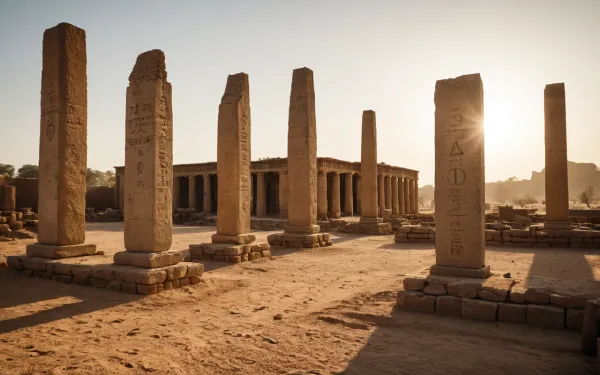
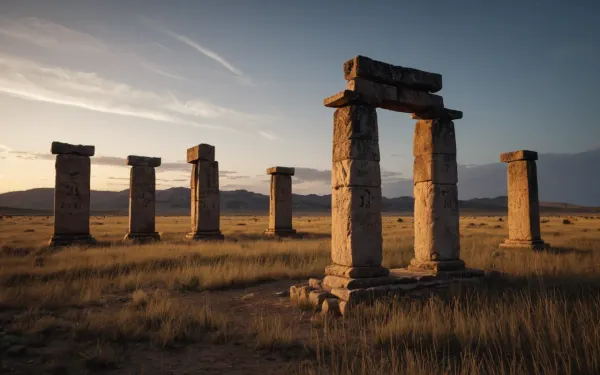
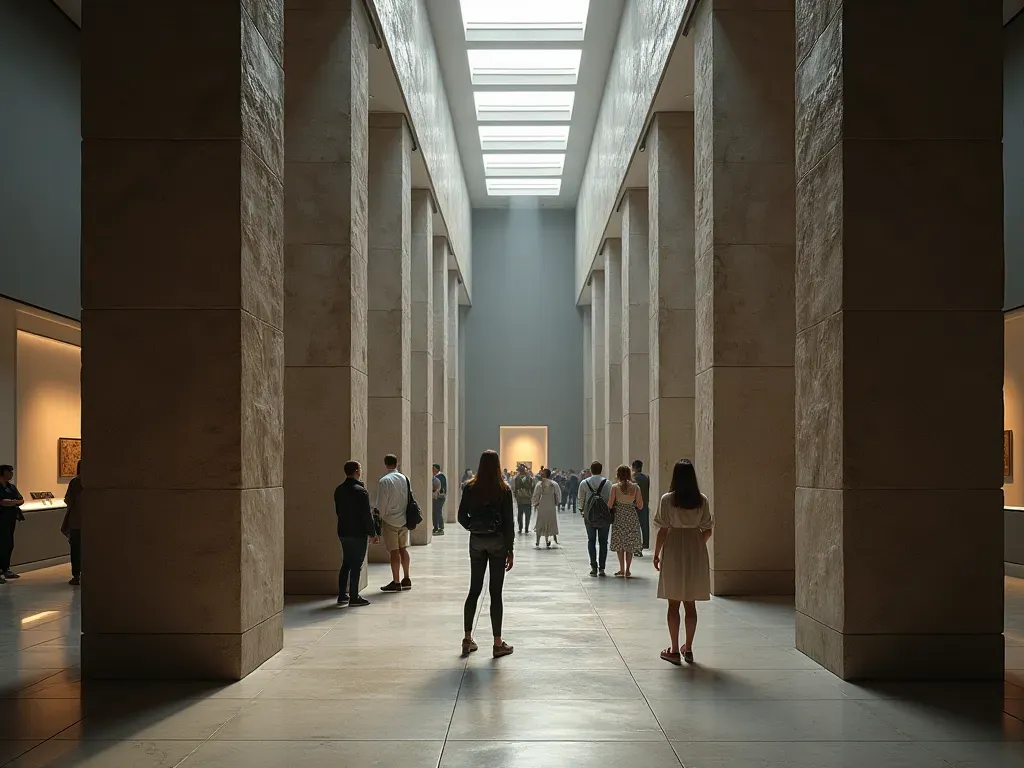
The exhibition uses incredible multimedia technology to transport visitors back in time. You don't just see pictures of T-shaped pillars — you walk among high-quality replicas that capture the eerie atmosphere.
Virtual reality tours allow guests to see how these structures looked when they were first built. It brings the site alive in a way that books simply cannot match.
Understanding The Scale Of Ancient Ambition
These stone pillars weigh up to twenty tons each. Moving them without metal tools or draft animals required immense social organization and cooperation.
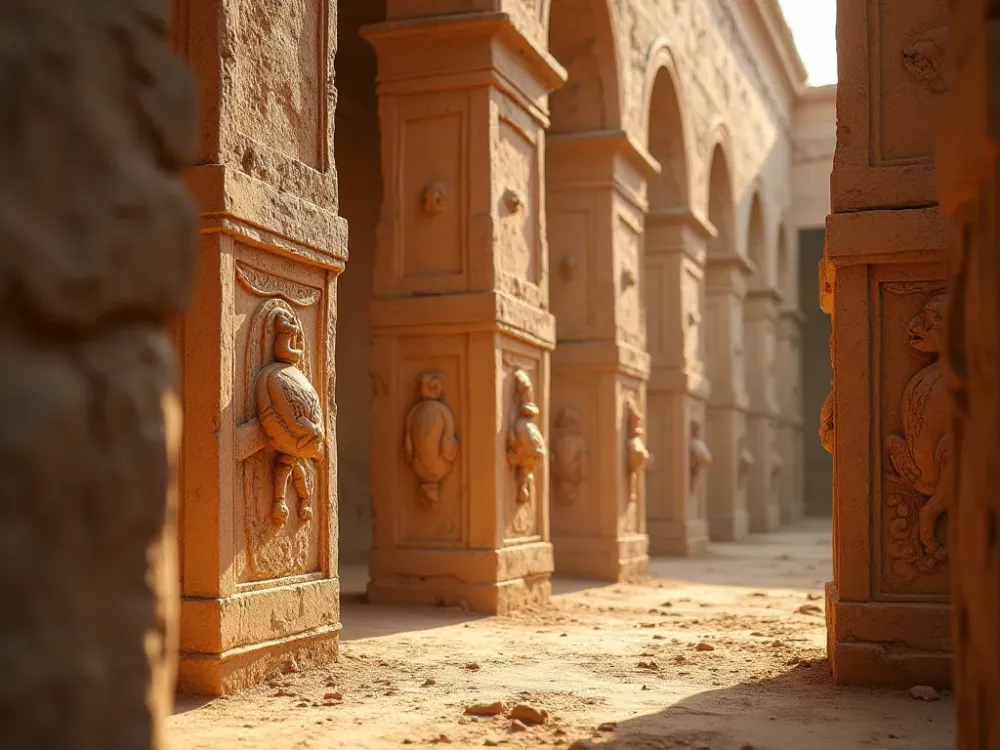
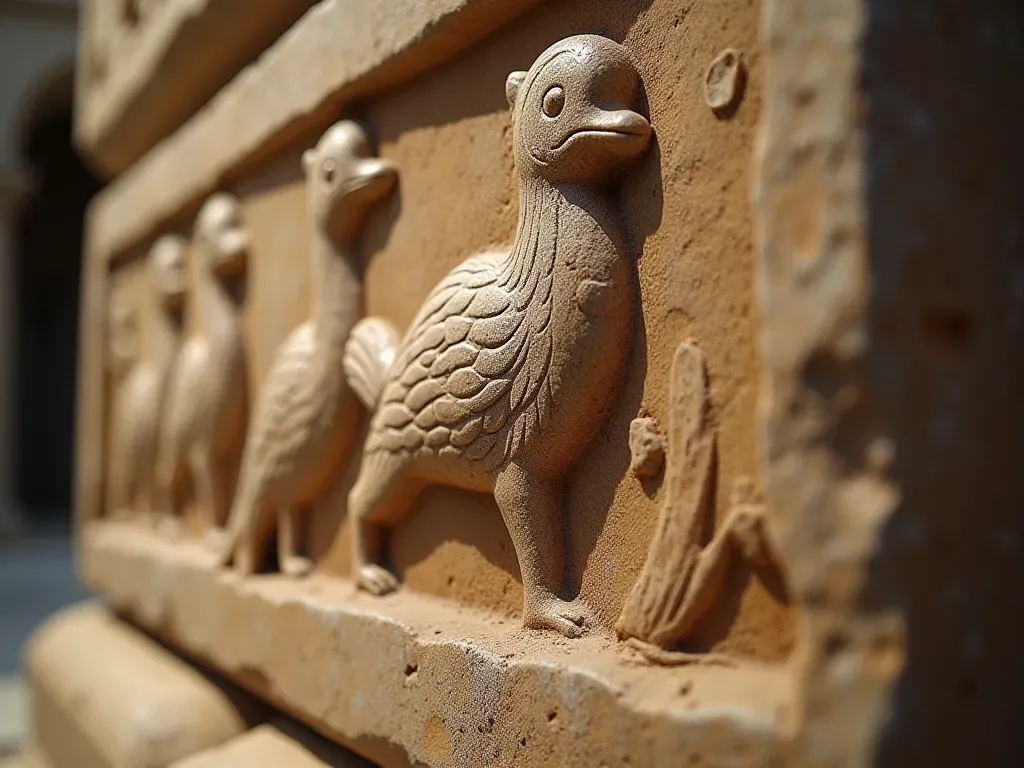
The carvings on the stones show lions, foxes, birds, and other animals. It reveals a deep spiritual connection to nature that feels remarkably modern in its ecological awareness.
The Global Dialogue On Ancient Truths
I find it fascinating how this exhibition bridges cultures. Rome represents the height of imperial power while Göbeklitepe represents humble communal spirituality.
It forces visitors to reconsider their own place in history. We're not just the end product of linear progress but part of an ancient continuum.
The collaboration between Turkey and Italy shows how shared heritage can unite nations. It's diplomacy done through stone rather than just words.
Challenging The Official Narratives We Trust
There's a growing movement among scholars who argue mainstream history misses key points. If you want to dig deeper into these alternative views, check out how agriculture sparked the first urban centers according to new evidence.
Many documentaries still get the story backwards. They show farming leading to temples instead of the other way around, which contradicts physical evidence.
The sheer scale of interest in Rome suggests the public is ready for this truth. People crave authentic stories that explain our deep connections to each other.
What Lies Beneath The Surface Of Discovery
Only a fraction of Göbeklitepe has been excavated. Experts believe up to ninety percent remains buried under soil, waiting for future technologies.
This means the story we know today is just a snippet. Every new dig season could potentially rewrite textbooks again and change our understanding.
The five million visitors in Rome are just the beginning. Their enthusiasm proves there's a massive global hunger for understanding these ancient roots.
The Enduring Mystery Of Sacred Spaces
Why did these early humans invest so much energy into building? It wasn't for defense or storage. There's no evidence of domestic life inside the main enclosures.
It was purely ceremonial. The space was designed to facilitate gatherings, perhaps for seasonal festivals or rites of passage that bonded communities.
This focus on community over individual power seems lost in modern times. The exhibition reminds us that cooperation was our greatest survival tool.
Preserving The Past For Future Generations
With such high visitor numbers, protecting the original site becomes crucial. Climate change and tourism pressure pose real threats to fragile archaeological layers.
Preservation challenges protecting Göbeklitepe from climate change are real issues that scientists work tirelessly to address daily.
The museum in Rome helps by spreading awareness without putting extra strain on the actual excavation grounds. It acts as a buffer zone of sorts.
Conclusion A New Chapter For Ancient Knowledge
The five million milestone is more than just a statistic. It represents a collective awakening to the true depth of human origins.
We're realizing that our ancestors were far more sophisticated and spiritual than previously thought. This shifts the entire narrative of progress.
As we leave the exhibition behind us in Rome, we carry these stones with us. They remind us that unity and belief built our world long before concrete did.
The story is far from over. New findings continue to emerge that challenge what we think we know about early human societies.
For those interested in deeper mysteries, check out how some archaeologists might be hiding truths about Göbeklitepe according to controversial new perspectives.
Ultimately, this exhibition proves that history belongs to everyone. It transcends borders, languages, and time periods, connecting us all.