The massive stone circles hidden in plain sight are forcing a total rewrite of human origins
The Travel Boom Hiding A Massive Historical Correction
Look. I've watched the same forty-second clip of Cappadocia balloons on a hundred different feeds this year. Perfect lighting. Colors saturated until they're practically neon. And somewhere in the background, if you know where to look, there's dust.
But here's the thing that keeps me up at night. We're spending billions on tourism infrastructure to show people pretty rocks and warm beaches, while ignoring the fact that those same regions hold a secret that breaks our basic understanding of what it means to be human.
The story isn't about the view. It's about what was built before we learned to grow wheat.
Why The Temple Label Is Doing Us A Massive Diservice
For decades, the word “temple” has stuck to Göbeklitepe like a stubborn stain. Convenient, isn't it? It fits our narrative that religion came first, then society organized around it.
But I've read the latest reports on the site's residential traces and frankly, the label feels wrong. It's a modern marketing term — easier to sell tickets with than to explain reality.
If these structures were homes rather than places of worship, the entire timeline of human social development shifts by thousands of years.
The Residential Evidence That Changes Everything
We're seeing more focus on the domestic aspects of early life at this site. It's not just about standing stones anymore.
There are traces of food preparation and everyday living that suggest a community was thriving in complex social structures long before the invention of agriculture.
This challenges the old idea that farming was a prerequisite for settled life. It suggests we chose to build because of who we were.
The Engineering Secrets We Are Still Struggling To Understand
Think about the labor. These people didn't have metal tools in the way we imagine them having. They had flint and bone.
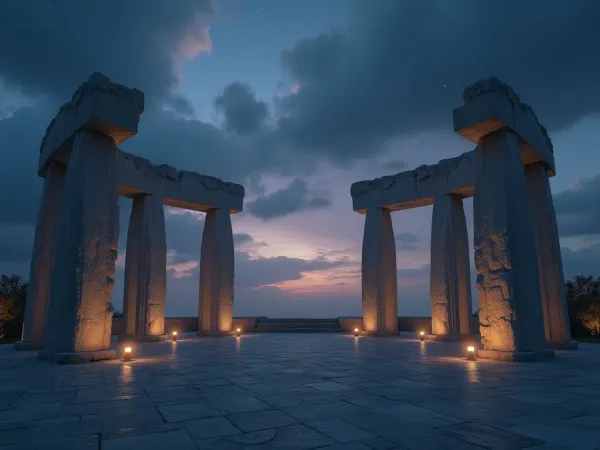
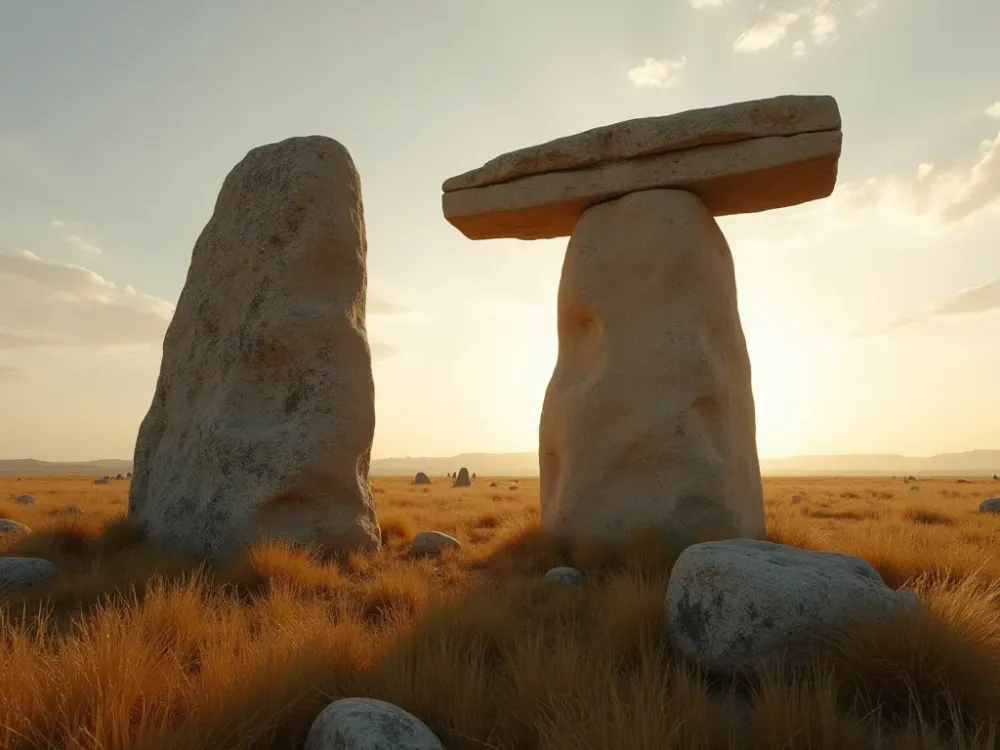
And yet they carved massive T-shaped pillars that stand several meters high. The precision required to move and fit these stones is genuinely staggering.
It makes you wonder how many hands were required to move a single block. The coordination implies a level of social organization we're only just beginning to map out.
How Nomads Mastered Complex Construction Techniques
We often assume that building large structures requires a settled population. But the evidence at this site suggests something different.
Nomadic groups weren't just wandering. They had the technical knowledge and social will to create permanent architectural feats.
This shifts the power dynamic of early history. It wasn't just farmers building cities; it was mobile groups choosing to build.
What This Means For The Future Of Our Historical Narrative
If we accept that humans built complex structures before they invented farming, the entire foundation of our history books needs to be shaken.
It means that the drive to build and create was a fundamental part of human nature long before survival pressures forced us into one place.
We're not just a species that learned to survive. We're a species that chose to create meaning and structure in the world.
The Shift From Survival To Creation In Early Human Life
This is a huge conceptual jump. It suggests that art and architecture were not luxuries added after basic needs were met.
They were primary drivers. The need to mark our existence on the earth was as strong as the need for food.
And that's a much more powerful story than the one we've been telling for decades.
Why Tourists Are Missing The Real Point Of This Journey
When you stand in front of these stones, it's easy to get distracted by the size. But I think that misses the point entirely.
The real wonder isn't how big they are. It's that a group of people without writing or metal wheels managed to build something so enduring.
It's a reminder that human capability has always been far greater than we give it credit for.
The Hidden Connection Between Ancient Beliefs And Modern Life
We like to think that our modern world is completely separate from those early communities. But the urge to gather and create shared spaces is still with us.
Every time we build a city or design a public park, we're acting on that same deep-seated need to shape our environment.
So the next time you see a travel video of these sites, don't just admire the view. Think about what it means that we've been doing this for twelve thousand years.
How To Read The Stones Differently Next Time You Visit
I suggest you look for the details. The way the light hits the stone in the morning can tell you a lot about how it was carved.
And remember that these weren't just stones. They were the center of a community's life.
The more we learn about the civilization that built before farming existed, the more we realize how much of our own identity is rooted in these early choices.
The Final Truth About Who We Really Are As A Species
We're not just animals that learned to use tools. We're the species that looked at a blank landscape and decided to make it mean something.
And that's a story worth telling. It's not about being the best at surviving. It's about being the best at creating.
So when you think about history, don't just look at the empires. Look at the people who built before they had to.