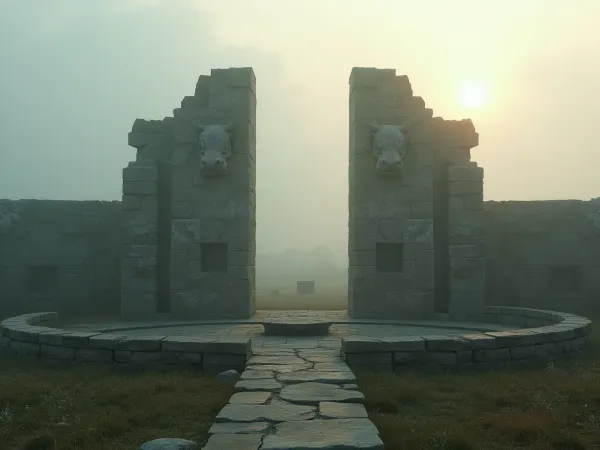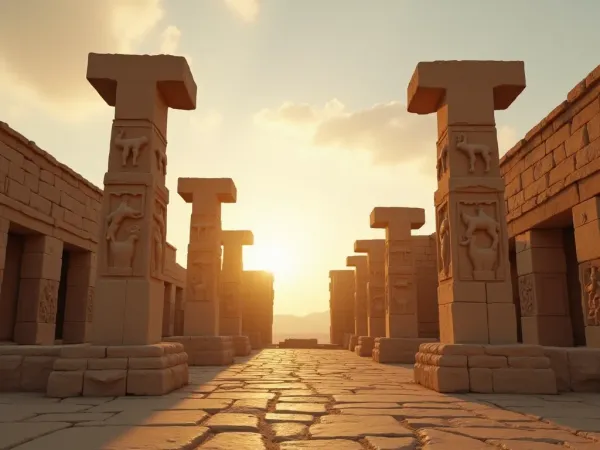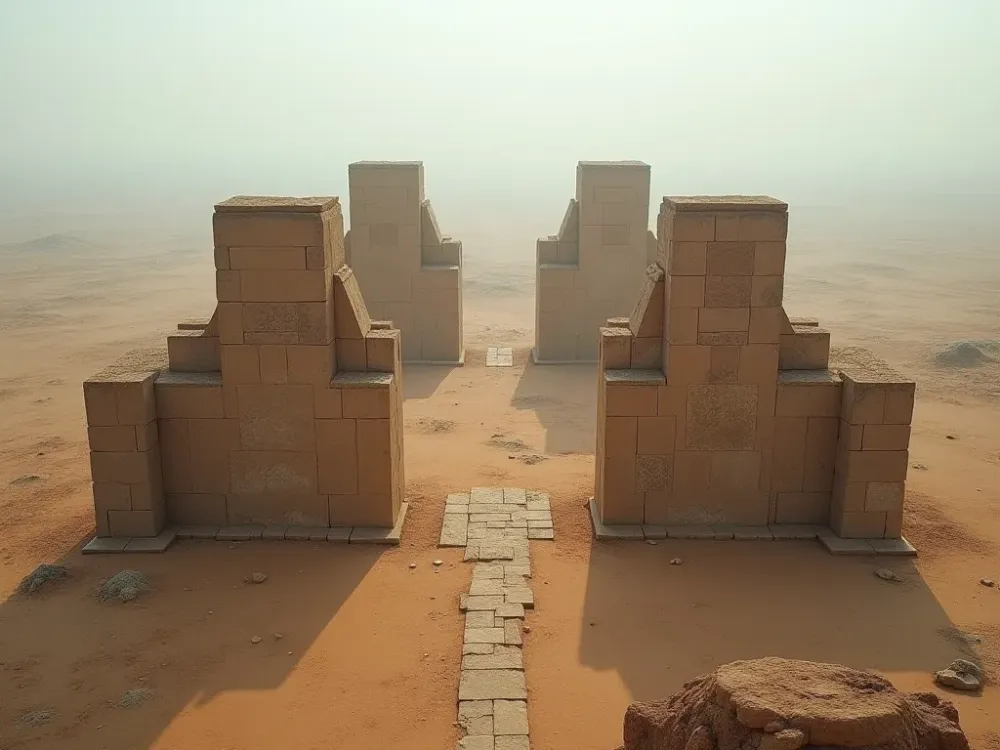
The real reason bones were scattered at Göbeklitepe is far less mystical than you think
The Mystery Of The Scattered Bones At Gobelkitepe
For three decades now, archaeologists have pulled hundreds of human bone fragments out of the monumental structures at Göbekli Tepe. The remains are roughly ten thousand years old.
The puzzle is simple, and it's maddening. Why are the fragments scattered across the floors and pillars of these big buildings? Was it a ritual scattering?
Or did something else move them? A new study in PLOS One offers a surprisingly mundane answer — one that changes how we look at these ancient people.
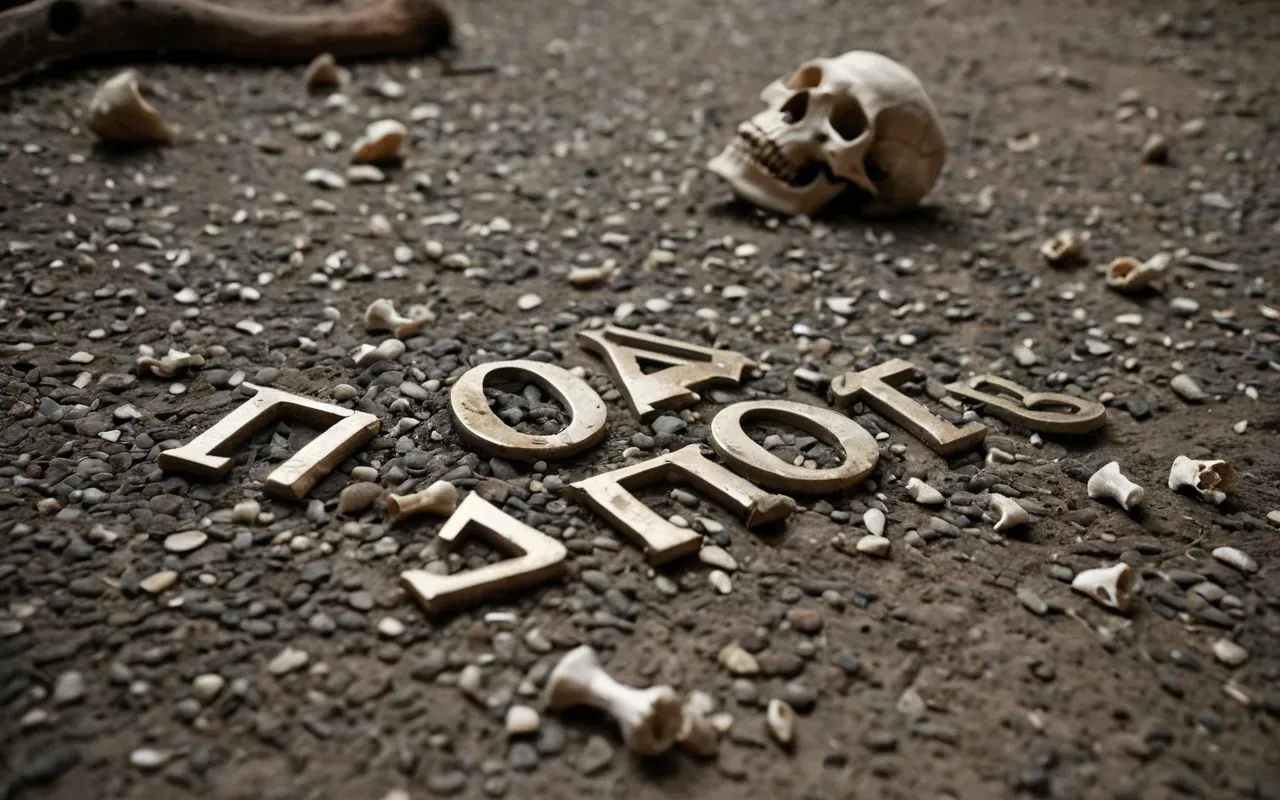
What The New Study Actually Found In Two Burials
Julia Gresky and Lee Clare examined the site's first two intact human burials. One held a young woman, laid on a stone layer.
The second was a shared grave with at least three individuals whose bones had been rearranged. These are the first complete bodies ever found there.
They looked for natural wear — fractures, rodent bites. And the bones in these graves showed the same damage as the loose fragments found elsewhere on the hill.
Here's the key insight. If fresh graves carry the same damage as the scattered bones, then the scattering probably happened over time, through natural processes.
Why Erosion And Gravity Are The Real Culprits Here
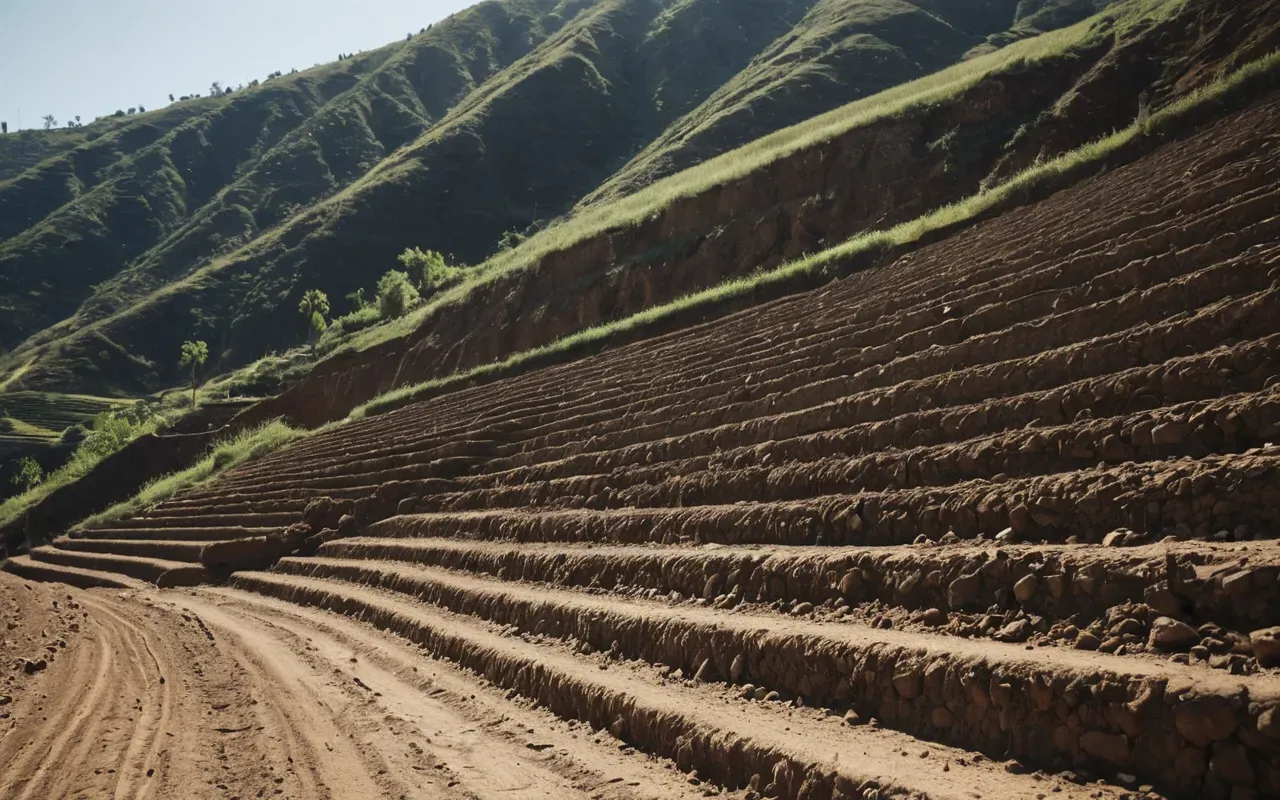
The researchers suggest the burials were originally located higher up the hill and eroded over millennia. Soil and debris moved downhill.
That carried the damaged bones into the lower monumental buildings. A simple mechanical explanation for a complex archaeological mystery.
It also lines up with earlier work suggesting the famous skull cult at Göbekli Tepe was likely just erosion and gravity in action.
The Implication Nobody Is Talking About Enough Right Now
We love to imagine these Neolithic people as complex ritualists performing elaborate ceremonies. That's not wrong.
But we often ignore the physical reality of their environment. The landscape itself was an active agent in shaping what we find today.
If gravity moved these bones, then the site's layout isn't just a map of human intention. It's also a record of geological time.
Which changes how we read other ancient sites. Before drawing conclusions about human behavior, we have to ask what natural processes altered the evidence.
How This Changes Our Understanding Of Ancient Human Life
Göbekli Tepe is often presented as a temple built by hunter-gatherers before agriculture. That narrative has been challenged repeatedly.
This new bone evidence fits a broader pattern. It suggests we're reading too much meaning into physical traces that nature actually shaped.
Remember the 12,000 year old workshop that erased our assumptions about the site's purpose.
This bone study belongs to that same shift. It forces us to look at the physical evidence with fresh eyes and less romanticized assumptions.
What This Means For The Future Of Archaeology At Gobelkitepe
The researchers aren't ruling out ritual practices entirely. They acknowledge that additional mortuary traditions may have existed.
But the default assumption should now be natural processes until proven otherwise. That's a more rigorous way to approach ancient sites.
Future excavations will likely focus on mapping the topography and soil movement more carefully. The goal: separate human action from geological change.
Why This Story Matters More Than You Probably Realize Right Now
We tend to think of history as a series of human decisions. But the physical world is always rewriting that story.
This study reminds us that our ancestors lived in a dynamic environment. They didn't have the same control over their surroundings that we do.
If you want to understand how much our history is shaped by forces beyond human control, look at how climate change collapsed the Akkadian Empire.
The bones at Göbekli Tepe are a small example of that same principle. Nature has its own hand in shaping the past.
The Takeaway For Anyone Who Cares About Ancient History And How We Interpret It Today
The scattered bones at Göbekli Tepe aren't necessarily evidence of a mysterious ritual. They may be the result of gravity and time.
That doesn't diminish the site. It makes it more interesting, because now we have to account for multiple layers of change.
The best archaeology is humble. It acknowledges what we don't know and respects the power of natural processes to alter evidence.
So next time you hear about a mysterious ancient site, ask what natural forces might have played a role. The answer is often less dramatic — but far more accurate.