The Stone Age Engineering Secrets That Rewrote History At Göbeklitepe
The Myth Of The Primitive Builder
Most people picture ancient builders as clumsy. Sweaty men dragging heavy rocks with raw strength alone. That image? Completely wrong.
At Göbeklitepe, the evidence tells a different story. We see precise engineering without modern tools. No wheels were used for transport here. There was no metal to cut or shape stone.
Instead, the builders relied on water, gravity, and sheer geometric calculation. They moved two-tonne pillars with a fraction of the labor we expect. This is not magic. It is sophisticated prehistoric engineering.

Water As A Construction Tool
The biggest secret is hydraulic engineering. The builders used water to transport massive stones over long distances. They built temporary dams and channels to float the pillars into place.
This technique required deep understanding of local hydrology. They knew exactly when the water levels would rise and fall. It was a calculated risk based on seasonal weather patterns.
Imagine guiding a multi-tonne stone through a narrow channel. You need precise timing and coordination. This is not brute force. It is hydrologic planning executed by a skilled team.
Acoustic Design In Ancient Circles
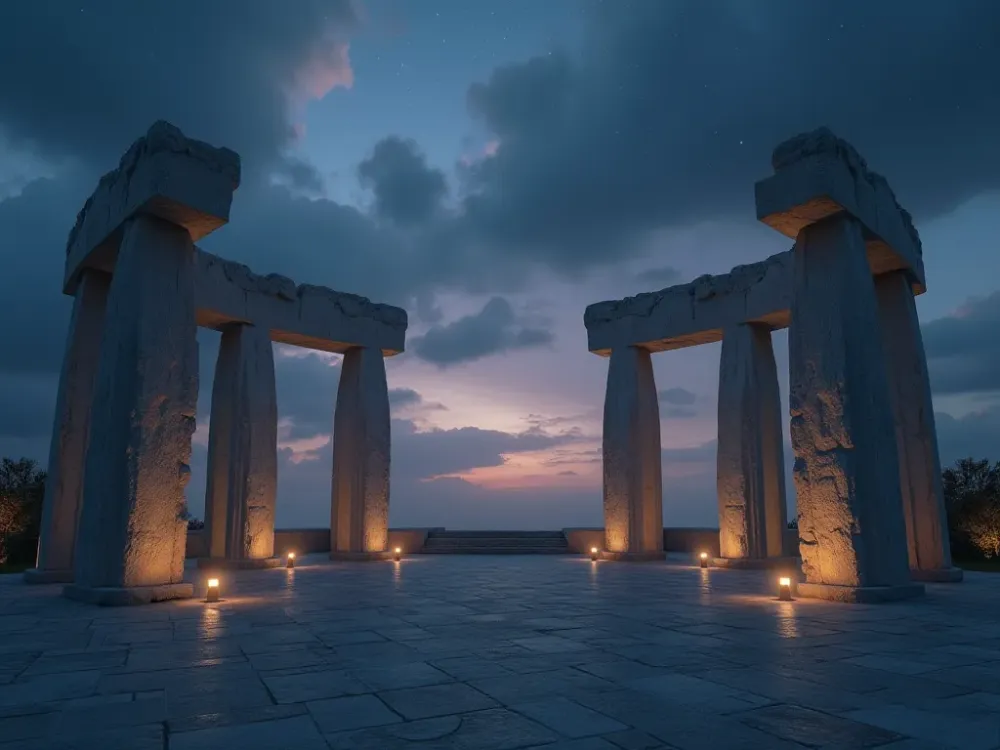
The layout of the circles is not random. The spacing between pillars creates specific sound effects. When you stand in certain spots, your voice amplifies naturally.
Researchers have mapped the sound waves in these structures. The geometry focuses audio toward specific points inside the circle. This suggests rituals were designed for auditory impact.
This is a form of ancient audio engineering. It predates modern concert halls by thousands of years. The builders understood how stone shapes sound.

The Role Of Geometry In Rituals
Geometry was a functional tool here. It controlled how people moved through the space. The circular layout guided foot traffic and social interaction.
You could not just walk anywhere. The structure dictated your path and position. This was a carefully designed social machine built from stone.
Why The Temple Label Is Misleading
Calling it a temple oversimplifies its function. A temple implies worship of gods and priests officiating ceremonies. Göbeklitepe served a broader social purpose.
It was likely a gathering place for regional clans. A hub for trade and exchange of ideas. The engineering served community cohesion, not just religious ritual.
If you think about it, this changes how we view early society. These people were organizing complex social structures long before agriculture existed.

Evidence Of Long Distance Trade
Materials found here came from far away. Obsidian and flint were transported over hundreds of kilometers. This indicates established trade networks.
You cannot build a monument without resources. The engineering required access to specific stone types not found locally. This points to organized logistics.
The Human Cost Of Monument Building
We often forget the physical toll on workers. Moving these stones required immense effort and coordination. Many would have been injured or killed in the process.
Archaeological evidence shows signs of repetitive stress injuries. The bodies tell a story of hard work and dedication to the project.
This was not a casual hobby. It was a major societal undertaking that consumed generations of labor and resources.

How Modern Engineering Mimics Ancient Methods
Surprisingly, some modern engineers study these techniques. We are learning from the past again. The principles of using water and gravity remain relevant.
Sustainability is a key theme here. These structures lasted thousands of years because they used natural forces effectively.
What We Still Do Not Know About These Builders
We lack written records from this period. Everything we know is inferred from physical evidence and archaeological context.
Who were the master builders? Were there specialized engineers or was this collective knowledge passed down orally?
The answer remains elusive. But the structures themselves speak loudly about their creators' capabilities and social organization.
The Role Of Women In Construction Teams
Traditional narratives often exclude women from historical labor. But evidence suggests mixed-gender teams were common in early societies.
Bone analysis shows similar wear patterns across genders. This implies equal participation in heavy physical tasks and engineering projects.
Why This Changes Our View Of Human Progress
We usually think of technology as a linear progression. Simple tools first, then complex ones. Göbeklitepe breaks that model completely.
Complex engineering existed before basic domestic technology. This challenges our assumptions about what drives innovation and societal development.
Maybe social needs drive technical invention more than we realize. The desire to gather and communicate may have spurred engineering breakthroughs.

Lessons For Modern Architecture And Design
Contemporary architects are looking to these ancient examples. They seek inspiration in sustainable and community-focused design principles.
The integration of space and function is timeless. Modern designers can learn from how ancient builders prioritized human interaction over aesthetic flair.
Frequently Asked Questions About Göbeklitepe Engineering
How Did Builders Move Stones Without Wheels?
Builders used water channels and sledges. They floated heavy stones on temporary dams to reduce friction and transport them over long distances with minimal labor.
Why Is The Layout Of Circles So Specific?
The spacing controls acoustic focus and social flow. It guides movement and amplifies sound for rituals, creating a functional space designed for specific human interactions.
What Tools Were Used To Shape The Pillars?
Stone hammers and abrasive sand were used. There was no metal involved. The precision came from repetitive manual labor and careful geometric planning by skilled workers.
Final Thoughts On Ancient Innovation At Göbeklitepe
Göbeklitepe forces us to rethink our understanding of prehistory. It was not a place of primitive struggle but of sophisticated engineering and social planning.
The technologies used here were advanced for their time. They show that human ingenuity has deep roots and complex origins.
If you want to explore how these structures challenged traditional narratives, check out this analysis of the temple label debate. It offers a deeper look at why our assumptions about ancient sites were wrong.
The story of Göbeklitepe is a reminder that history is full of surprises. We are still uncovering the true scale of human achievement in our distant past.