Göbeklitepe Unveiled The Ancient Sanctuary That Redefines Human History
Göbeklitepe The Enigmatic Sanctuary That Transcends Time
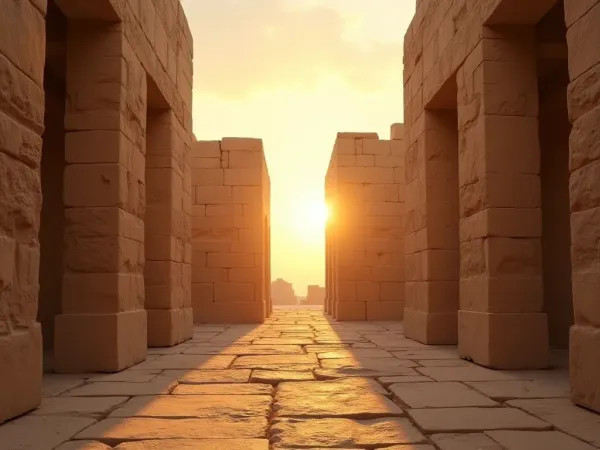
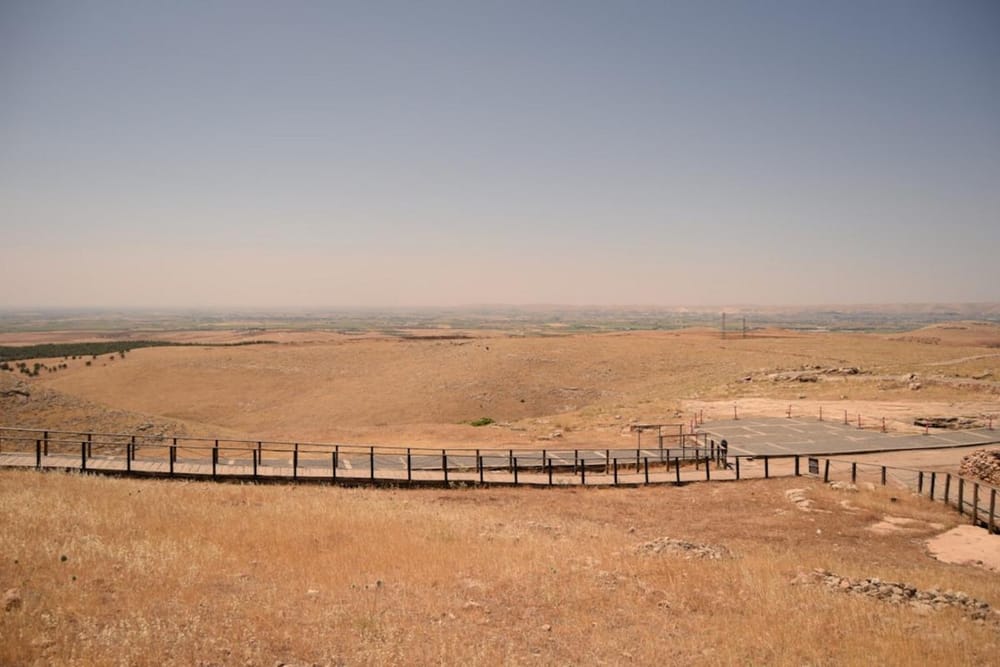
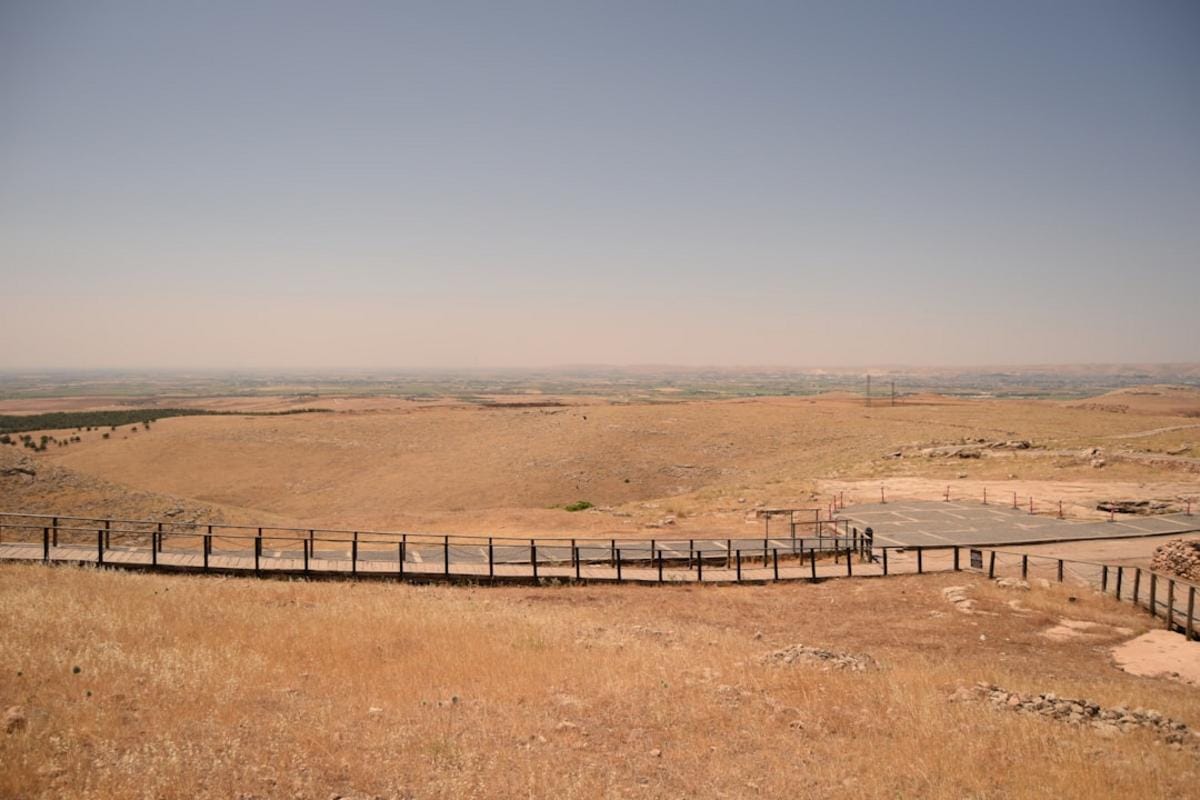
Göbeklitepe is undoubtedly one of the most astonishing archaeological discoveries of the 21st century, dramatically altering our perception of prehistoric human societies. Located in southeastern Turkey near the city of Şanlıurfa, this site dates back approximately 11,500 to 12,000 years, predating Stonehenge and the Egyptian pyramids by thousands of years. Its significance lies not just in its age but in the complexity and sophistication of its megalithic architecture and artistic carvings. The site comprises massive T-shaped limestone pillars, some weighing up to 20 tons, arranged in semicircular and rectangular enclosures that suggest ritualistic or spiritual uses. Mainstream archaeology once believed that early humans lived in small, nomadic bands focused solely on survival, but Göbeklitepe challenges this notion. It hints at a society capable of mobilizing considerable resources for complex construction and symbolic expression, signaling a shift towards communal spiritual activities and perhaps even early organized religion. The discovery has opened new debates about the origins of religious practices, social structure, and the cognitive abilities of our distant ancestors, making Göbeklitepe a focal point for archaeological and anthropological research. The site's untouched violence of history and the indication of spiritual insights demonstrate how ancient peoples might have perceived their world differently, possibly as a plane filled with supernatural forces. Recognizing Göbeklitepe's role as a spiritual hub emphasizes the importance of ritualistic behaviors in human evolution and highlights the profound interconnectedness between architecture and belief systems. Exploring the site in detail can evoke a sense of wonder about early human ingenuity and their quest to understand and influence their environment.
Deciphering the Symbols The Art and Mysticism of Göbeklitepe
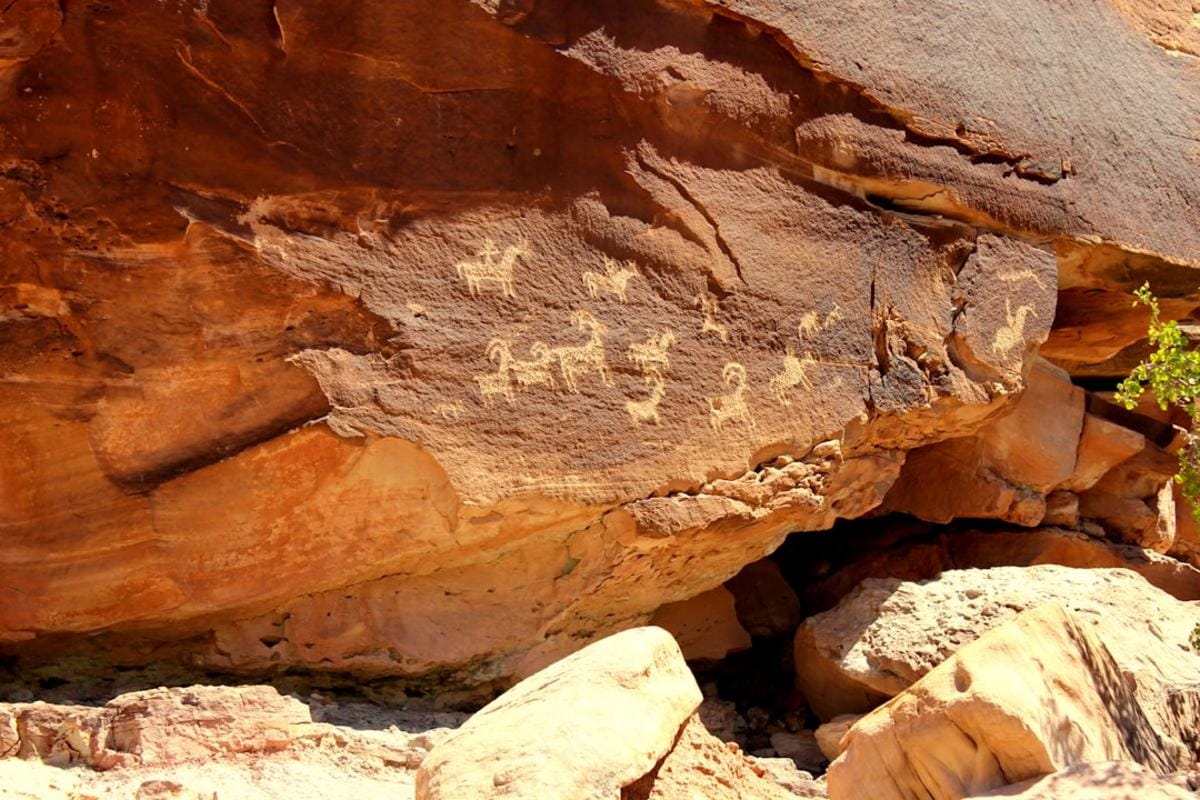
The carvings etched into the limestone pillars of Göbeklitepe reveal intricate motifs, animals, abstract symbols, and possibly proto-figurative representations. These engravings are more than decorative; they are believed to hold symbolic meaning and serve as a visual language connecting early humans to their spiritual beliefs. Some scholars interpret these symbols as representations of animals such as snakes, lions, boars, and birds, which might symbolize specific powers or mythological stories. Others suggest that the carvings could be calendar markers or custodial symbols used in complex rituals. Intriguingly, the site lacks evidence of habitation or domestic activities, reinforcing its purpose as a ceremonial space rather than a settlement. The preservation of such detailed carvings provides invaluable insight into cognitive development, artistic expression, and complex symbolic thinking among early humans. This discovery has challenged previous assumptions that symbolic behavior emerged much later in human evolution; instead, Göbeklitepe proves that spiritual or ritualistic thoughts were present millennia before the rise of agriculture and permanent settlements. The complex symbolism seen here helps researchers understand the early development of religious thought and the anthropological roots of spiritual symbolism across cultures. Overall, the craftsmanship and depth of thought reflected within these carvings underscore the profound connection between early humans and their environment, as well as their desire to interpret and influence it through mystical practices.
Implications for Understanding Human Origins and Cultural Development
The groundbreaking discoveries at Göbeklitepe compel us to reconsider the evolution of human society and culture. The advanced architecture and symbolic artifacts contrast sharply with the traditional view of early humans as primarily hunter-gatherers focused solely on survival. Instead, the site surfaces evidence suggesting organized social structures, shared beliefs, and spiritual practices that required communal cooperation over extended periods. This indicates that the development of complex social and religious systems might have preceded the advent of agriculture, challenging the long-held theory that settled farming communities sparked the origins of civilization. Furthermore, Göbeklitepe’s age pushes back the timeline for religious practices, showing that spirituality has deep roots embedded well before the rise of writing and urbanization. Researchers believe that the motivation for constructing such monumental structures may have been rooted in a desire to appease supernatural forces, coordinate social alliances, or seek divine favor. The findings at Göbeklitepe also contribute to broader discussions about the cognitive evolution of humans—such as advanced planning, symbolic thinking, and abstract reasoning—that laid the foundation for later cultural developments. This site essentially rewrites aspects of human history, emphasizing that spirituality and communal identity are among the earliest expressions of societal complexity. Visiting and studying Göbeklitepe offers invaluable insights into how early humans perceived their universe and organized their societies, making it a cornerstone for understanding our collective history.